
London Construction Complaints: 6 Steps and the Rules That Matter

If building work next door is disrupting your home, contact the site manager first using the contact details on the hoarding, start a dated diary of every disturbance, and report the matter to your council’s environmental health team if informal contact gets nowhere. These three moves cover nearly every situation, and most disputes resolve well before legal escalation becomes necessary.
TL;DR:
Record dates, start and stop times, and specific effects in a diary; timestamped photos help, while phone app readings are supporting evidence only.
Check the planning portal for working hour conditions and Section 61 consent; valid consent may limit prosecution when the contractor follows its agreed terms.
Councils assess frequency, duration, volume, and neighborhood character rather than applying a fixed decibel limit; persistent noise, dust, or smoke may qualify.
For cracks or structural movement, contact an independent party wall surveyor rather than environmental health, and arrange a photographed condition survey before work begins.
Table of Contents
A short checklist you can work through today
Most neighbour disputes over construction work follow a predictable pattern, and working through it in order gives you the best chance of a quick fix.
Find the site contact details, usually printed on the hoarding or scaffold board, and call or email the site manager directly.
Log every contact attempt with a date, time and summary of what was agreed.
Start a diary noting the date, start and stop times, and the specific impact (lost sleep, disrupted work calls, inability to use a garden).
Ask the site manager directly whether noisy tasks can shift to different hours, whether quieter plant is available, and whether deliveries can avoid early mornings.
If you live in a block, tell your landlord or building manager, since they may already have a line to the developer.
If informal contact fails after a reasonable attempt, submit a written complaint to your council’s environmental health or noise team, attaching your diary and any recordings.
Our guide to London construction hours and Section 61 covers the questions worth raising with a site manager before you escalate anything.
Pro Tip: Send your first complaint to the site manager by e-mail rather than phone, even if you also call. It creates a timestamped record you can forward to the council later.
What counts as a statutory nuisance from construction work
A statutory nuisance, under the Environmental Protection Act 1990, is interference with your use and enjoyment of your home, or a risk to health, that goes beyond what you’d reasonably expect to tolerate. Councils have a duty to investigate complaints that meet this threshold and can issue an abatement notice requiring the contractor to stop or control the activity.
There’s no fixed decibel level or time limit that automatically qualifies as a nuisance under the Environmental Protection Act 1990; officers weigh frequency, duration, volume and the character of the area.
Noise, dust and smoke from construction can all qualify where they’re persistent or severe enough.
Ignoring an abatement notice can lead to prosecution and an unlimited fine, which gives councils real leverage over non-compliant sites.
Because the test is judgement-based rather than numerical, the strength of your own evidence matters more than you might expect.
Building a record that holds up
Your diary is the backbone of any complaint, and it works best when every entry follows the same format: date, start time, end time, and exactly how the disturbance affected you (woke you at 6am, made a work call impossible, kept a toddler from napping).
Keep entries factual and specific rather than general (“drilling from 7:05am to 8:40am” beats “noisy all morning”).
Time-stamped photos and short videos help, particularly where they show visible dust, debris or plant left running unattended; avoid filming into neighbouring windows.
Noise measurement apps on a smartphone give you a rough sense of scale but aren’t calibrated instruments, so councils tend to treat readings as supporting context rather than conclusive evidence.
Save every message exchanged with the contractor, and ask neighbours experiencing the same disruption whether they’re willing to add a short written statement.
Government guidance on how councils deal with noise complaints notes that officers often advise informal contact with the site manager first, since a documented record of those contacts materially strengthens any later council complaint.
Checking the planning portal before you complain
Before you write to the council, it’s worth five minutes on the planning portal, since the paperwork attached to most sites tells you exactly what the contractor has agreed to.
Search your borough’s planning portal for the site’s application number, then look for the Construction Management Plan or Code of Construction Practice; the RBKC code of construction practice shows the kind of conditions typically imposed, including working hours, dust suppression and a complaints log.
Check whether the contractor holds a Section 61 prior consent, since a valid consent sets agreed noise limits in advance and can limit later prosecution while the site stays within those terms.
Any non-road mobile machinery on site in Greater London must meet emission standards and be logged on the GLA NRMM register; unregistered or non-compliant plant is a concrete, checkable breach you can report.
Many Construction Management Plans also record a resident hotline or liaison contact, which is often faster than waiting for the council to notice a breach itself.
When it’s a party wall issue rather than a noise complaint
If you’re worried about cracks, vibration or structural movement rather than noise and dust, you’re in different legal territory. The Party Wall etc. Act 1996 governs disputes over shared walls and structural works, and it operates independently of council nuisance powers; the council cannot settle a private structural disagreement between neighbours.

Where you suspect structural risk, an independent party wall surveyor is the right next step rather than environmental health. It’s worth arranging a condition survey, with photographs, before major works start next door, so you have a clear baseline if damage does appear later.

How to escalate if informal steps don’t work
When contact with the site manager and a written complaint haven’t resolved things, there’s a reasonably clear ladder to climb.
Environmental health will typically log your complaint, may visit to assess the activity in person, and sometimes install monitoring equipment, though timescales vary by borough and caseload.
If officers agree the activity meets the statutory nuisance test, they can issue an abatement notice; non-compliance risks prosecution and a fine.
Where the council can’t or won’t act, government guidance notes that residents can bring an independent action to the magistrates’ court under Section 82 of the Environmental Protection Act, using their own diary and evidence.
Mediation through the council, your landlord, or a residents’ association is worth trying before court, and a solicitor is worth consulting if structural damage or repeated breaches are involved.
Practical fixes that often work faster than a complaint
A short conversation with the site team can resolve more than most people expect, particularly on well-run sites that want to avoid formal complaints as much as you want the noise to stop.
Ask whether noisy tasks like breaking out or piling can shift to mid-morning rather than first thing.
Request that deliveries avoid very early slots and that engines aren’t left idling outside your window.
Temporary sound barriers, vibration mats under heavy plant, and turning noisy equipment away from your property are all low-cost adjustments a reasonable contractor will usually make.
Pro Tip: If your own flat is affected by ongoing noise transfer rather than construction next door, our piece on soundproofing a London flat covers measures that help regardless of the source.
How well-run sites keep neighbours on side
On the sites we run, a visible site contact, a logged complaints process and compliance with local working-hour conditions head off most disputes before they start. Persistence and good records are what move a genuine grievance forward when they don’t.
— Mateja
If you’d rather hand the disruption to a managed team
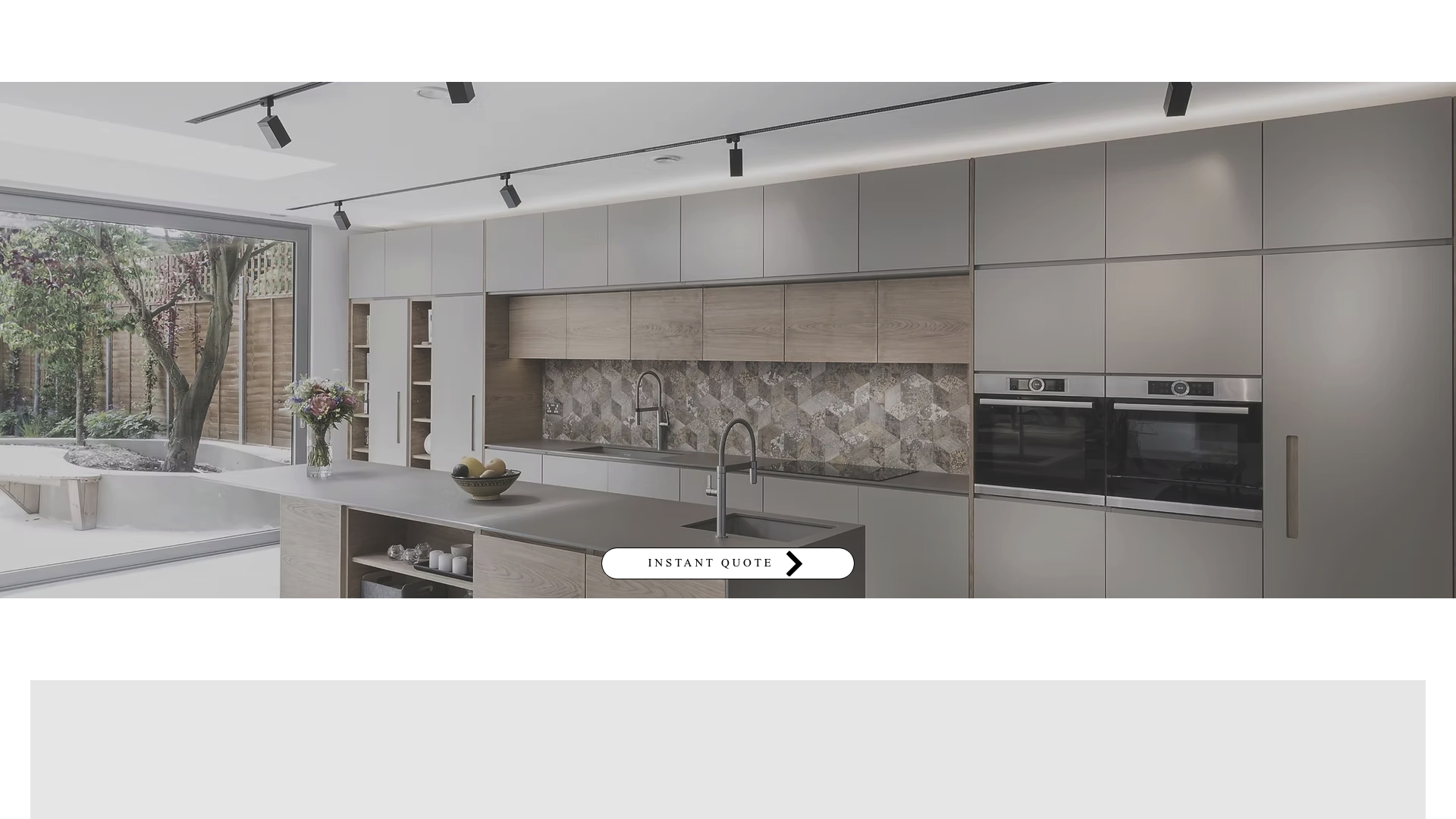
Not every disruption comes from someone else’s site. If the work causing the problem is on your own property, managing it properly from the outset avoids most of the complaints covered above. We plan deliveries, working hours and noisy tasks around neighbours from day one, with a named point of contact on every job so queries get answered quickly rather than escalating.
Full refurbishments and extensions benefit from the same neighbour liaison and scheduling discipline that keeps a site compliant.
Loft conversions involve some of the noisiest work in a project, which is exactly where early communication with neighbours matters most.
Planned Preventive Maintenance can resolve recurring issues, like a shared wall or roof in poor condition, before they become a bigger structural concern.
If you’re planning work and want it managed with minimal fallout for the street, our full property refurbishment service page has details on how an initial site visit and quote work, and our hiring checklist is a useful read before you brief any contractor.
For project management software that keeps neighbour liaison and site diaries organised throughout a build, BRCKS covers construction communication practice worth knowing about if you’re overseeing works yourself.
This article is general information, not a substitute for advice from a qualified lawyer. Consult a qualified legal professional about your own circumstances before acting on anything here.
FAQ
What should I do first if construction noise is disturbing me?
Contact the site manager using the details on the hoarding or scaffold board and explain the specific problem. Keep a short written record of the call or e-mail, since this becomes useful evidence if you need to escalate to the council later.
Can I report a construction site to the council for noise?
Yes, your council’s environmental health team can investigate noise as a potential statutory nuisance and issue an abatement notice if the activity qualifies. Officers assess frequency, duration and volume rather than applying a fixed noise limit.
Are there set hours when construction noise is more likely to be enforced?
Councils commonly recommend construction hours of Monday to Friday 08:00 to 18:00 and Saturday 09:00 to 13:00, with no noisy work on Sundays or bank holidays. Work outside these hours is more likely to draw enforcement attention, though the exact conditions depend on the site’s planning permission.
Does a Section 61 consent mean I can’t complain about noise?
A Section 61 prior consent sets agreed noise limits and working conditions in advance, and a site complying with a valid consent is protected from statutory nuisance prosecution for the activities it covers. You can still report concerns, and the council will check the site against the terms of that consent.
What if my property is damaged by work next door?
Structural damage or concerns about a shared wall fall under the Party Wall etc. Act 1996 rather than council nuisance powers, since councils don’t resolve private structural disputes. An independent party wall surveyor is the right route, and a pre-work condition survey with photographs makes any later claim far easier to support.
Sources
Recommended
Comments