
Why improve curb appeal: boost value and first impressions
TL;DR:
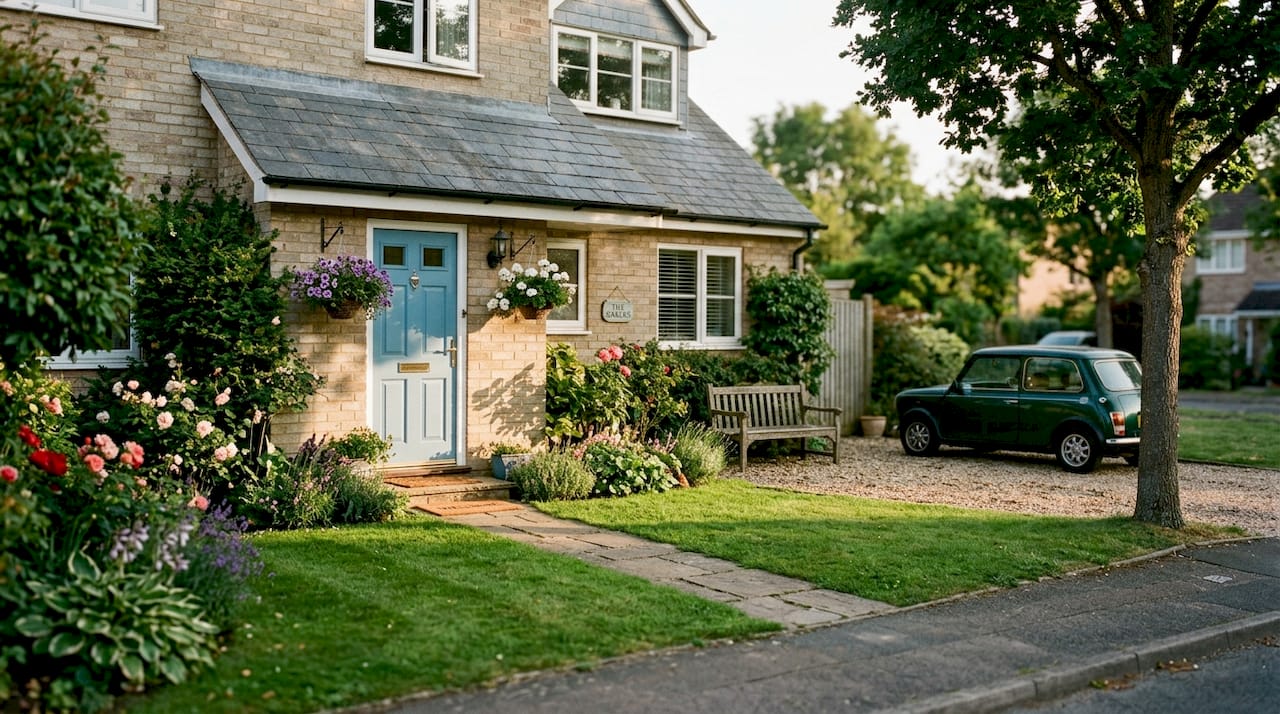
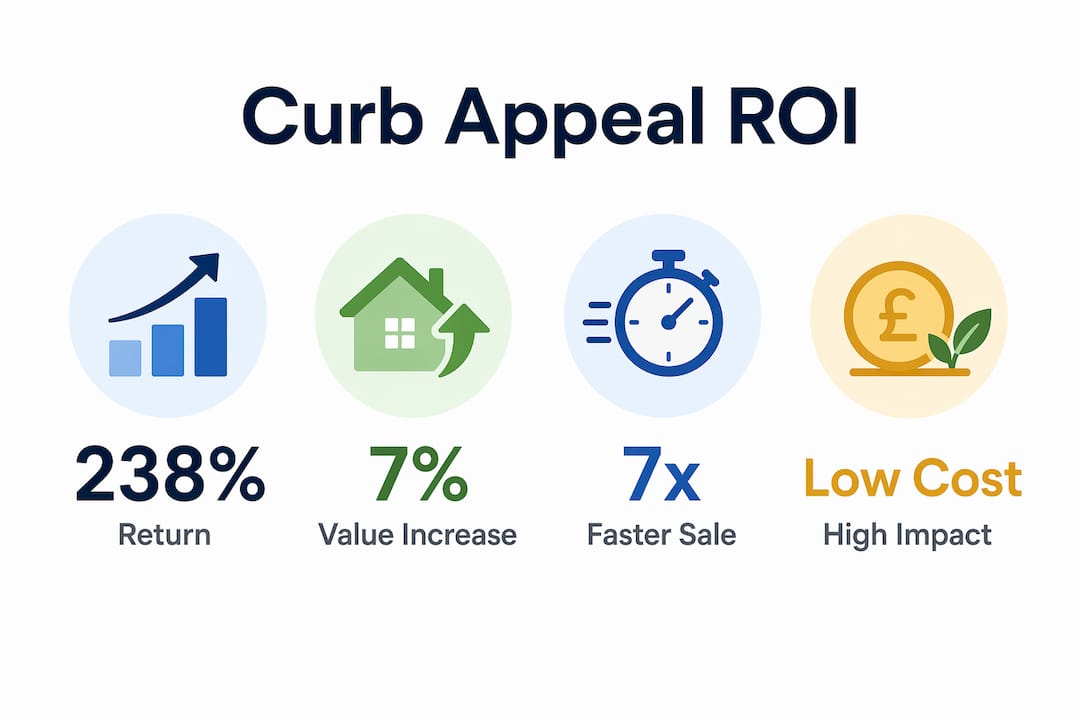
Improving curb appeal can increase perceived home value by up to 7% and generate a 238% return on investment. Many budget-friendly upgrades, such as repainting doors and power washing, offer high impact with minimal cost and effort. Strategic, cohesive exterior improvements enhance buyer perception, prevent costly neglect, and boost overall property marketability.
Curb appeal is defined as the immediate visual impression your home makes from the street, and it directly shapes how buyers, neighbours, and appraisers perceive your property’s worth. Research from the National Association of Realtors (NAR) shows that targeted exterior work can raise perceived value by around 7%, achievable in as little as two weekends. That figure alone answers the question of why improve curb appeal, but the full picture is even more compelling. From strong return on investment to the psychological power of first impressions, your home’s exterior is one of the most financially rewarding areas you can invest in.
Why improve curb appeal: the financial and psychological case
The numbers behind exterior improvements are striking. According to Redfin, curb appeal work generates roughly 238% return on investment, making it one of the highest-performing categories in home improvement. That means for every £100 you spend tidying up your front garden, repainting the door, or updating the lighting, you are likely recouping more than double in perceived value. Few interior projects come close to that ratio.
The psychological dimension is equally powerful. Buyers form opinions before they step through the front door, and a neglected exterior plants doubt about what lies inside. A well-presented entrance, by contrast, signals that the home has been cared for throughout. This emotional reassurance translates directly into stronger offers and shorter time on the market.
Exterior projects consistently show a higher percentage ROI than major interior remodels, largely because the costs are lower while the perceived impact remains high. A new kitchen extension is transformative, but a freshly painted front door and a clipped hedge can shift a buyer’s mood the moment they arrive.
Project | Estimated cost | Approximate value uplift |
Front door repaint | £25–£50 | Up to 7% perceived value increase |
Lawn care and mowing | £50–£150 per season | Up to 217% ROI at resale |
Landscaping design | £500–£2,000 | 5.5% to 11.4% value increase |
Exterior power wash | £100–£300 | Significant condition improvement |
Outdoor lighting update | £150–£500 | Improved safety and buyer appeal |
What are the most budget-friendly curb appeal improvements?
The good news is that many of the most effective exterior upgrades cost very little. The benefits of curb appeal are accessible at almost every budget level, and the improvements with the highest impact are often the simplest.
Repaint the front door. Painting the front door costs as little as £25 to £35 per gallon of paint and delivers an outsized visual transformation. Bold colours like navy, forest green, or classic black signal confidence and character.
Power wash surfaces. Driveways, pathways, and rendered walls accumulate grime over years. A hired pressure washer for an afternoon can make a decade-old exterior look freshly built.
Update door hardware. Replacing a tarnished letterbox, knocker, and house number with brushed brass or matte black fittings costs under £100 and immediately modernises the entrance.
Mow, edge, and mulch. A neatly edged lawn with fresh bark mulch around beds looks intentional and cared for. This takes a single afternoon and costs very little.
Upgrade outdoor lighting. Solar-powered lanterns or wired wall lights on either side of the front door add warmth and security. A well-maintained entryway with updated lighting creates emotional warmth and signals homeowner pride.
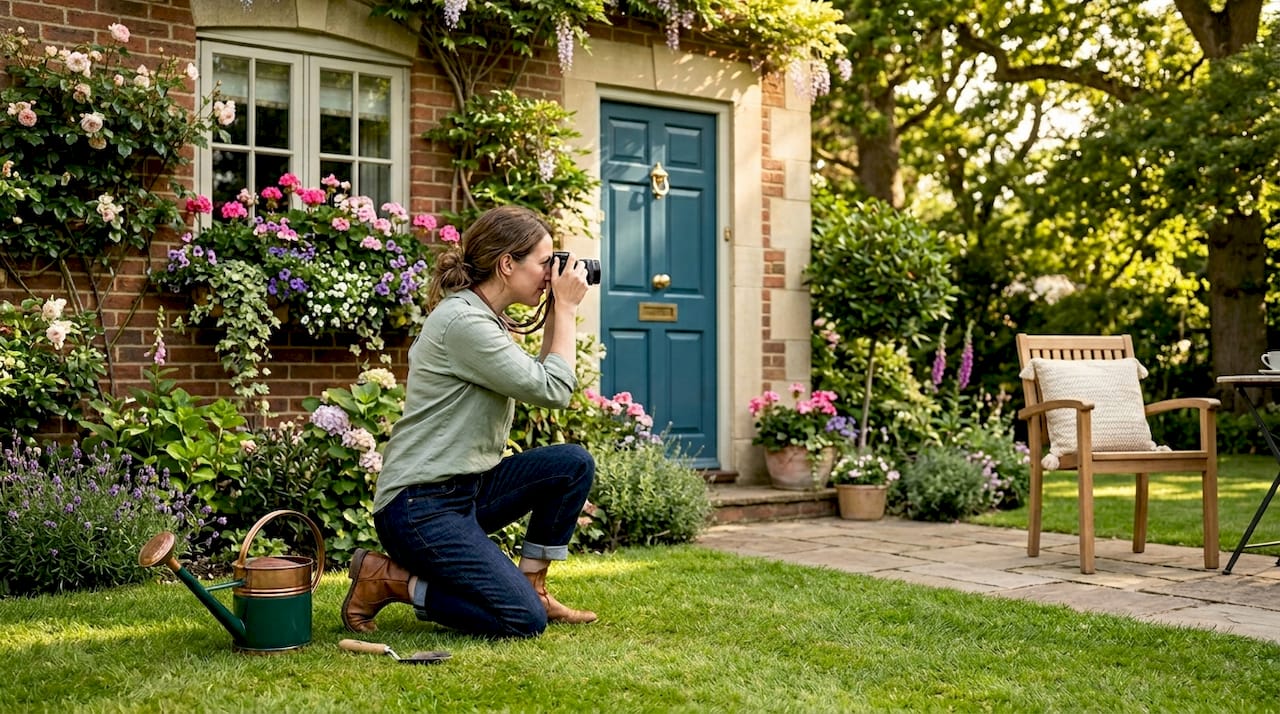
Pro Tip: Before spending anything, photograph your home from the pavement on a bright morning. You will immediately spot what a buyer sees first, whether that is a cracked path, peeling paint, or an overgrown hedge.
The importance of home exterior presentation is not about spending the most money. It is about correcting the visible signs of neglect that cause buyers to discount their offer before they have even rung the doorbell.
How does landscaping affect your home’s value?
Landscaping is the single most impactful category within curb appeal, and the data supports investing in it thoughtfully. Research from Virginia Tech and Michigan State University, cited by Lawn Love, shows that landscaping can increase perceived home value by between 5.5% and 11.4%, depending on location and design quality. On a £600,000 London property, that upper figure represents over £68,000 in added perceived value.
Design quality matters more than quantity. Professional landscaping with larger, more established plants consistently outperforms random plantings in both buyer impressions and appraised condition scores. A single well-placed olive tree in a raised bed looks far more considered than a dozen mismatched shrubs crammed along a fence line.
Lawn health is its own investment category. Keeping grass healthy through regular mowing, fertilising, and weed control yields up to 217% ROI at resale, making it one of the most cost-effective things a homeowner can do. A patchy, yellowing lawn undermines every other improvement you make.
Here are the key landscaping priorities for both health and visual appeal:
Mow and edge the lawn regularly, keeping borders crisp and defined.
Remove weeds from beds, paths, and between paving slabs.
Prune overgrown shrubs so they frame the home rather than obscure it.
Add fresh bark mulch or gravel to beds for a clean, finished appearance.
Plant low-maintenance perennials or evergreen shrubs that look good year-round.
Consider a single statement plant or tree near the entrance for visual focus.
Pro Tip: Buyers strongly prefer low-maintenance planting schemes. Avoid anything that looks like it requires constant attention. Evergreens, ornamental grasses, and hardy perennials signal easy living.
What mistakes should you avoid with curb appeal improvements?
Knowing what not to do is as valuable as knowing what to do. Several common mistakes can waste money, reduce appeal, or even harm your home’s structural integrity.
Overspending beyond neighbourhood norms. If every other home on your street has a modest front garden, installing an elaborate water feature and bespoke stone paving will not recoup its cost. Buyers compare your home to its neighbours, so improvements should lift you to the top of the local range, not beyond it.
Choosing high-maintenance landscaping. Exotic plants, topiary, and elaborate formal gardens look impressive in photographs but signal work to a buyer. Cohesive and restrained curb appeal design consistently outperforms overdone schemes.
Ignoring structural priorities. A beautiful front door means nothing if the roof above it is visibly deteriorating. Prioritise roof repairs and water management before cosmetic work. Addressing these first protects your finishes and prevents costly rework later.
Misunderstanding appraisal impact. Appraisers do not value curb appeal as a separate line item. Instead, curb appeal influences appraisal indirectly by affecting condition scores and buyer demand, which in turn shapes comparable sales. Expect indirect rather than direct valuation uplift.
Pro Tip: Plan your curb appeal budget in two tiers: maintenance and repairs first, then cosmetic upgrades. Spending £500 on a repainted door before fixing a leaking gutter is money poorly spent.
The importance of home exterior work lies in its coherence. A mismatched collection of upgrades, a new door alongside crumbling render and a broken gate, creates confusion rather than confidence.
How to plan and maintain your curb appeal improvements
A structured approach produces far better results than ad hoc spending. These steps will help you prioritise, execute, and sustain your exterior improvements throughout the year.
View your home as a buyer would. Stand at the pavement and look at your property with fresh eyes. Take photographs. Note everything that draws the eye negatively.
List and prioritise. Separate structural repairs (gutters, roof, pointing) from cosmetic improvements (paint, planting, lighting). Address structural items first.
Plan two focused weekends. Many high-impact curb appeal tasks can be completed in two weekends. Assign specific tasks to each day so the project has momentum.
Schedule seasonal maintenance. Set reminders for spring and autumn to mow, prune, clean, and touch up paintwork. Curb appeal degrades gradually, so regular upkeep prevents the need for major interventions.
Bring in professionals for complex work. Exterior rendering, brickwork repointing, and structural repairs require skilled tradespeople. Attempting these without experience often creates more visible problems than it solves.
Pro Tip: A simple way to keep your exterior looking sharp year-round is to spend 30 minutes each month on a walk-around inspection. Catching a loose gate hinge or a patch of peeling paint early costs almost nothing to fix.
For homeowners in London looking to increase home value through more substantial improvements, combining exterior maintenance with structural upgrades delivers the strongest combined return.
Key takeaways
Curb appeal improvements deliver some of the highest returns in home investment, with exterior projects generating up to 238% ROI while requiring far less outlay than major interior remodels.
Point | Details |
Financial return is strong | Curb appeal work generates roughly 238% ROI and raises perceived value by around 7%. |
Landscaping leads value gains | Well-designed planting can increase perceived home value by 5.5% to 11.4%. |
Budget upgrades work well | Repainting a front door, power washing, and updating lighting deliver high impact at low cost. |
Avoid structural neglect | Prioritise roof and water management repairs before any cosmetic exterior work. |
Cohesion beats excess | Restrained, visually consistent improvements outperform overdone or mismatched schemes. |
Curb appeal: what I have learned from years of exterior transformations
From my experience working with homeowners across West and Central London, the biggest mistake I see is treating curb appeal as an afterthought. Homeowners spend months planning a kitchen renovation and then wonder why their property photographs look flat. The exterior is the first frame of every image and the first experience every visitor has.
What surprises most people is how emotionally charged that first impression is. I have seen buyers fall in love with a property before they reached the front door, simply because the entrance felt warm and cared for. A freshly painted door, a pair of matching planters, and a clean path created a feeling that no interior staging could manufacture from scratch.
The other lesson I would share is about restraint. The temptation to over-invest in elaborate landscaping or premium materials is real, particularly in affluent areas like Chelsea or Kensington. But buyers in those markets are sophisticated. They notice when improvements feel forced or disproportionate to the street. The homes that sell fastest and at the strongest prices tend to look effortlessly well-maintained, not aggressively upgraded.
Start with the basics. Fix what is broken, clean what is dirty, and paint what is faded. Then, and only then, consider adding character. That sequence almost always produces the best outcome.
— Mateja
Transform your property with Tenenltd
If your home needs more than a coat of paint to reach its full potential, Tenenltd has been helping London homeowners transform their properties since 2006. From full property refurbishments that address exterior render, brickwork, and structural condition, to loft conversions and home extensions that add genuine space and market value, the team brings high-quality workmanship to every project. Serving homeowners across Fulham, Chelsea, Kensington, Chiswick, Hammersmith, and Notting Hill, Tenenltd combines expert craftsmanship with a professional approach that discerning homeowners trust. Explore the full range of services and find out how the right improvements can make your property stand out for all the right reasons.
FAQ
How much can curb appeal increase a home’s value?
Curb appeal improvements can raise a home’s perceived value by around 7%, according to NAR research. Landscaping alone can add between 5.5% and 11.4% depending on design quality and location.
What is the ROI on curb appeal improvements?
Curb appeal projects generate roughly 238% return on investment, according to Redfin. Exterior work consistently outperforms many interior remodels because the costs are lower while the perceived impact remains high.
What are the quickest curb appeal improvements to make?
Repainting the front door, power washing driveways and paths, updating door hardware, and tidying the lawn are all achievable in a single weekend. These low-cost tasks deliver immediate visual impact without requiring professional tradespeople.
Does curb appeal affect a home’s appraisal value?
Appraisers do not assign a separate value to curb appeal, but it influences condition scores and buyer demand, which indirectly affects comparable sales figures. A well-presented exterior supports a stronger overall appraisal outcome.
How often should you maintain your home’s exterior?
A seasonal review in spring and autumn covers most maintenance needs, including mowing, pruning, cleaning, and touching up paintwork. A monthly 30-minute walk-around inspection helps catch minor issues before they become costly repairs.
Recommended
Comments