
Top home extension types to maximise your West London space
- luka bursac
- Apr 7
- 9 min read
TL;DR:
Home extensions in West London boost space, value, and home functionality through various types.
Single-storey rear, double-storey, wraparound, loft, and garage conversions suit different needs and budgets.
Energy efficiency, design coherence, and natural light are key factors for successful, valuable extensions.
Space in West London is genuinely precious. With property prices among the highest in the country, moving to a larger home often costs far more than transforming the one you already have. A well-planned home extension can add significant living space, boost your property value, and completely change how your home feels day to day. But with so many extension types available, choosing the right one requires careful thought. This guide walks you through the key options, from single-storey rear extensions to loft conversions, helping you make a confident, informed decision that suits your home, your lifestyle, and your budget.
Table of Contents
Key Takeaways
Point | Details |
Framework for choice | Start with clear criteria to select the best extension for your West London home. |
Maximise ROI | Double-storey and loft extensions often add the most value for investment. |
Smart materials matter | Use insulation, quality frames, and hidden drainage to improve comfort and efficiency. |
Tailored solutions | Each extension type suits different space, lifestyle, and budget needs. |
How to evaluate home extension options
Before you commit to any extension type, it pays to build a clear picture of what you actually need. The right choice depends on several factors working together, and rushing this stage is one of the most common mistakes homeowners make.
Here are the key criteria to consider before choosing your extension type:
Budget: Establish a realistic figure early, including a contingency of at least 10 to 15 per cent for unexpected costs.
Space needs: Think about how many extra rooms or square metres you need, and how you plan to use them.
Planning permission: Some extensions fall under permitted development rights, while others require a formal application. Knowing this upfront saves time and money.
Impact on property value: Not all extensions deliver the same West London extension ROI. A poorly designed extension can actually reduce kerb appeal.
Structural requirements: Construction involves foundations, steel beams, insulation, and matching materials to your existing property, all of which affect both cost and complexity.
Energy efficiency: Modern extensions should include high-quality insulation, double or triple glazing, and ideally underfloor heating to keep running costs low.
You should also think about how the extension will look from the outside. A seamless design that matches your existing brickwork and roofline will always perform better at resale than something that looks like an afterthought.
Understanding the home extension benefits in London goes beyond square footage. Improved natural light, better flow between rooms, and a more functional layout all contribute to a home that genuinely works harder for you. Exploring extension ideas for your London property early in the process can also spark possibilities you hadn’t considered.
Pro Tip: If you want a sleek, contemporary finish, ask your architect or builder about parapet roofs and hidden drainage systems. These details make a flat-roof extension look polished and modern rather than utilitarian.
Once you’ve worked through these criteria, you’ll be in a much stronger position to compare specific extension types. For a deeper look at the planning process, our guide on planning a London home extension covers the key steps in detail.
Single-storey rear extensions
With your evaluation criteria in mind, let’s explore the most popular types, starting with single-storey rear extensions. These are by far the most common extension type in West London, and for good reason.
A single-storey rear extension adds a new room or expanded space to the back of your property at ground level. Most homeowners use this space to create a larger kitchen, an open-plan kitchen and dining area, or a bright garden room with direct access to outdoor space.
Key features and benefits include:
Open-plan living: Removing internal walls to create a flowing kitchen, dining, and living area is one of the most transformative things you can do to a terraced or semi-detached home.
Garden connection: Bi-fold or sliding doors create a seamless link between inside and outside, which is especially appealing in areas like Chiswick, Fulham, and Notting Hill.
Natural light: Roof lanterns and skylights flood the new space with daylight, making even modest extensions feel generous and airy.
Relatively straightforward planning: Many single-storey rear extensions fall within permitted development rights, reducing delays and costs.
From a construction perspective, brick or timber frames with proper insulation and underfloor heating are the recommended approach for lasting comfort and efficiency. Matching the brickwork to your existing property is worth the extra effort.
On the financial side, single-storey extensions offer a strong return. ROI of 10 to 25 per cent is realistic for well-executed projects in West London, where property values are high enough to justify the investment comfortably.
“In high-price areas like West London, extending your home is almost always cheaper than moving to a larger property, and the disruption is far less too.”
For inspiration on layouts and finishes, browse our extension ideas for London homes. If you want a clear sense of what to budget, our London extension cost guide breaks down typical figures by project type.
Double-storey and wraparound extensions
After reviewing single-storey extensions, consider double-storey and wraparound additions for even greater impact. These options are ideal when you need substantial extra space and want to maximise the return on your investment.
A double-storey extension adds rooms on two levels, typically extending the rear of the property. This could mean a new kitchen and dining area on the ground floor, plus one or two additional bedrooms and a bathroom above. For growing families in Kensington, Chelsea, or Hammersmith, this kind of project can genuinely transform daily life.
Key considerations for double-storey and wraparound extensions:
Maximum space gain: You can add two or more rooms in a single project, which dramatically improves the cost-per-square-metre compared to two separate extensions.
High ROI: Double-storey and loft extensions add the most value to a property, making them a strong choice for homeowners who plan to sell within five to ten years.
Structural complexity: These projects require parapet roofs and careful drainage planning alongside steel beams, reinforced foundations, and precise material matching.
Planning permission: Double-storey extensions almost always require a formal planning application, so factor in lead time.
A wraparound extension combines a rear and side-return extension into one L-shaped structure. This is particularly effective on Victorian terraces, which are common across West London. The side-return space, often wasted as a narrow passage, becomes part of a generous open-plan ground floor.
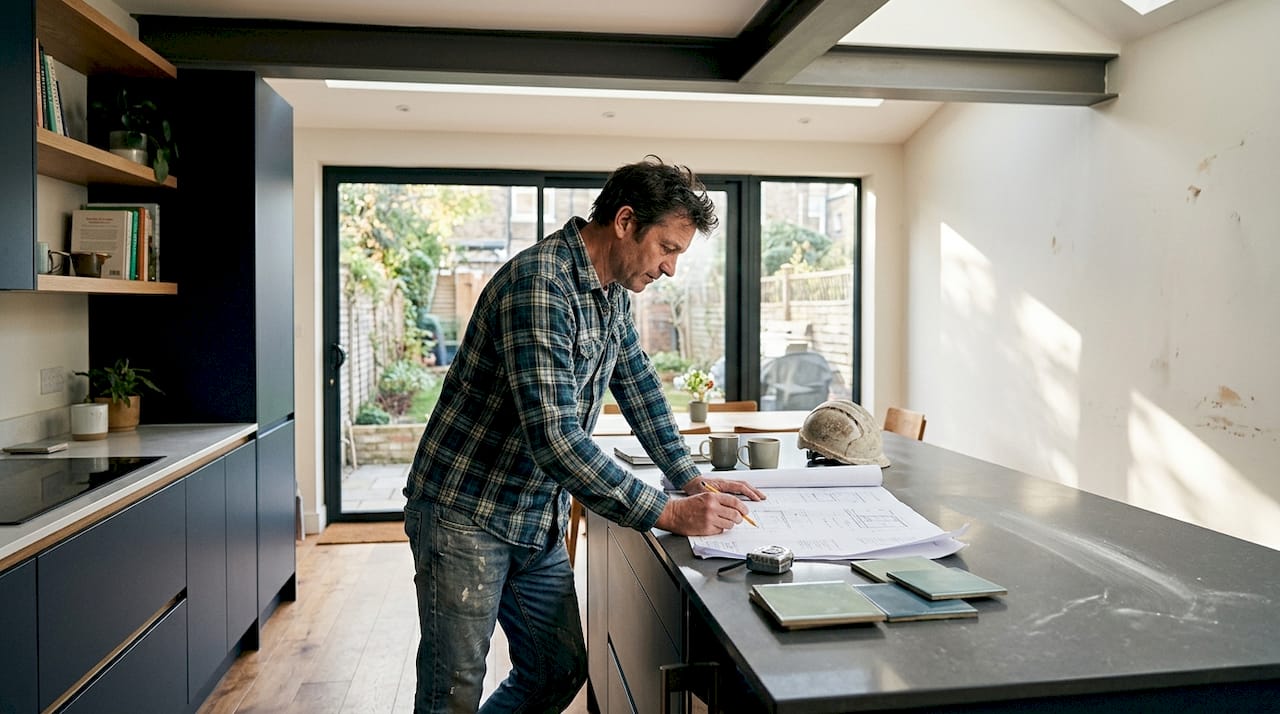
Pro Tip: Wraparound extensions that integrate the kitchen and living areas tend to generate the strongest interest from buyers. Estate agents in Fulham and Chelsea consistently report that open-plan ground floors are among the most requested features.
For more detail on the advantages of going up as well as out, read about the benefits of double-storey extensions. You can also explore wraparound extension ideas and our dedicated West London extension guide for area-specific advice.
Loft and garage conversions
For homeowners seeking subtle but significant upgrades, loft and garage conversions offer unique advantages. Both options make use of existing space within your property’s footprint, which often means less disruption and a faster build time than a full extension.
Here’s how a typical loft conversion progresses:
Structural assessment: A surveyor checks the existing roof structure and floor joists to confirm they can support the new space.
Design and planning: Drawings are prepared and, where required, planning permission is sought. Many loft conversions qualify under permitted development.
Structural steelwork: Steel beams and proper insulation are installed to create a safe, energy-efficient floor and ceiling structure.
Rooflight or dormer installation: Rooflights are the simplest option; dormers add headroom and a more usable floor area.
First fix and finishing: Electrics, plumbing, plastering, and joinery complete the space.
Garage conversions follow a similar process but tend to be quicker and less expensive, as the structure already exists. The main work involves insulating walls, floors, and the ceiling, then adding windows, electrics, and a suitable finish.
Feature | Loft conversion | Garage conversion |
Typical cost | £40,000 to £70,000 | £15,000 to £30,000 |
Space added | 20 to 50 sq metres | 15 to 30 sq metres |
Planning permission | Often not required | Rarely required |
Best use | Bedroom, bathroom, studio | Home office, gym, playroom |
ROI | High | Moderate |
Loft conversions add the most value of any conversion type, particularly in West London where an extra bedroom can add tens of thousands to your asking price. Garage conversions are a cost-effective way to create a dedicated workspace or rental room without major structural work.
For more information, visit our pages on London loft conversions and find out how to transform your West London loft into a space you’ll love.
Comparing extension types and situational recommendations
Having covered individual extension types, let’s compare them directly and suggest which is most suitable based on your circumstances.
Extension type | Space added | Typical cost | ROI | Best for |
Single-storey rear | 15 to 40 sq metres | £40,000 to £80,000 | 10 to 20% | Kitchens, open-plan living |
Double-storey | 30 to 70 sq metres | £80,000 to £150,000 | 15 to 25% | Growing families, high-value homes |
Wraparound | 25 to 60 sq metres | £70,000 to £130,000 | 15 to 25% | Victorian terraces, open-plan ground floors |
Loft conversion | 20 to 50 sq metres | £40,000 to £70,000 | High | Extra bedroom or bathroom |
Garage conversion | 15 to 30 sq metres | £15,000 to £30,000 | Moderate | Home office, studio, rental |
All ROI figures reflect typical West London outcomes and will vary depending on location, specification, and market conditions.
Here’s a quick guide to help you decide:
Growing families will benefit most from a double-storey or wraparound extension, which delivers the most usable space per pound spent.
Single professionals or couples often find a loft conversion or single-storey rear extension is the right balance of cost, disruption, and reward.
Rental investment: A loft or garage conversion can create a lettable room or studio, generating ongoing income from space that was previously unused.
For a detailed breakdown of what each project type costs in the current market, our London extension cost comparison is a useful starting point.
Why the best extension goes beyond square footage
As we finish comparing options, it’s worth reflecting on what truly makes an extension worth the investment. In our experience working with homeowners across West London since 2006, the projects that deliver the most satisfaction are rarely the biggest ones. They’re the ones that fit the way a family actually lives.
Adding square metres is straightforward. Designing a space that feels right, flows naturally, and stays comfortable across all seasons is harder. Brick and timber frames with underfloor heating and thoughtful drainage are the building blocks, but the real magic comes from how light moves through the space and how rooms connect to each other.
Future-proofing matters too. An extension built with energy efficiency and flexibility in mind will serve you far better over ten or twenty years than one that simply adds a room. Our West London homeowner extension guide explores this thinking in more depth.
Pro Tip: Prioritise natural light and energy efficiency from the very start of your design process. These two factors do more to improve daily comfort and long-term value than almost anything else.
Extend your space with trusted West London experts
If you’re ready to maximise your home’s potential, working with experienced local professionals makes all the difference. At Tenen Ltd, we’ve been helping West London homeowners transform their properties since 2006, delivering high-quality extensions and conversions across Fulham, Chelsea, Kensington, Chiswick, and beyond.
Whether you’re considering a London home extension to create a stunning open-plan kitchen, or exploring your options with London loft conversion experts to add a new bedroom, we bring the expertise, attention to detail, and honest guidance your project deserves. Browse our full extension and refurbishment services to see how we can help you get started.
Frequently asked questions
What factors affect the cost of a home extension in West London?
Cost depends on extension type, materials, structural changes, and planning requirements. Projects involving foundations, steel beams, and insulation will naturally sit at the higher end of the budget range.
Can I add a double-storey extension without full planning permission?
Most double-storey extensions require planning permission unless they meet very specific permitted development criteria. Always confirm with your local authority before starting work, as double-storey extensions add significant value and attract close scrutiny.
Which extension type gives the best return on investment?
Double-storey extensions and loft conversions typically offer the highest ROI, with returns of up to 25 per cent in high-value West London postcodes.
Are parapet roofs a good choice for extensions?
Yes. Parapet roofs hide drainage and create a clean, contemporary profile that suits modern extension designs particularly well.
Recommended
Comments