
Full refurbishment explained: transform your West London home
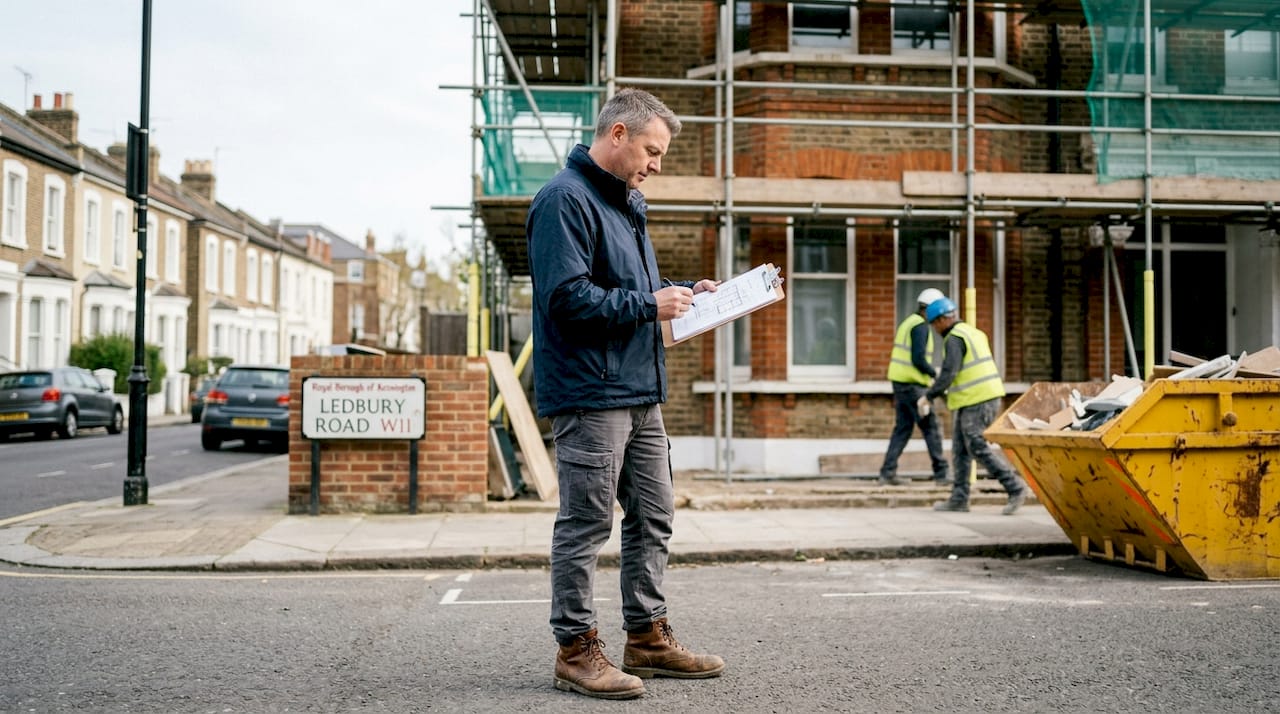
Many West London homeowners assume a full refurbishment is simply a fresh coat of paint and some new flooring. It is not. A full refurbishment is a complete overhaul of your property, touching everything from the structure beneath your feet to the electrics behind your walls. If you own a period home in Fulham, Kensington, or Chiswick and you are wondering whether a full refurbishment is right for you, this guide will walk you through exactly what it involves, why it matters, and how to approach it with confidence.
Table of Contents
Key Takeaways
Point | Details |
Comprehensive transformation | A full refurbishment upgrades all aspects of your property, not just finishes. |
Higher property value | Quality refurbishments unlock substantial value for homeowners in West London. |
Essential professional guidance | Engaging surveyors and skilled contractors prevents costly oversights. |
Plan for challenges | Anticipate structural, legal, and budget hurdles to keep your project on track. |
What does full refurbishment mean?
The term ‘full refurbishment’ gets used loosely, but it has a precise meaning in the construction industry. It refers to a complete overhaul of a property, addressing structural, systems, and cosmetic aspects together rather than in isolation. This is very different from redecorating a room or replacing a kitchen.
A full refurbishment involves structural, electrical, and decorative upgrades, not just surface-level changes. Think of it as resetting your home to a modern standard while preserving what makes it special. The scope typically includes:
Structural repairs and reconfiguration of internal layouts
Full rewiring and consumer unit upgrades
Replacement or upgrade of plumbing and heating systems
Insulation improvements and damp-proofing where needed
New flooring, plastering, and decorative finishes throughout
Kitchen and bathroom renovations as part of the wider project
A full refurbishment is not about changing how your home looks. It is about changing how your home works, from the inside out.
This distinction matters enormously when you are planning your budget and timeline. Partial renovations can leave underlying problems untouched, which often leads to further expense down the line. A full refurbishment addresses everything in one coordinated effort, which is far more efficient and cost-effective over the long term.
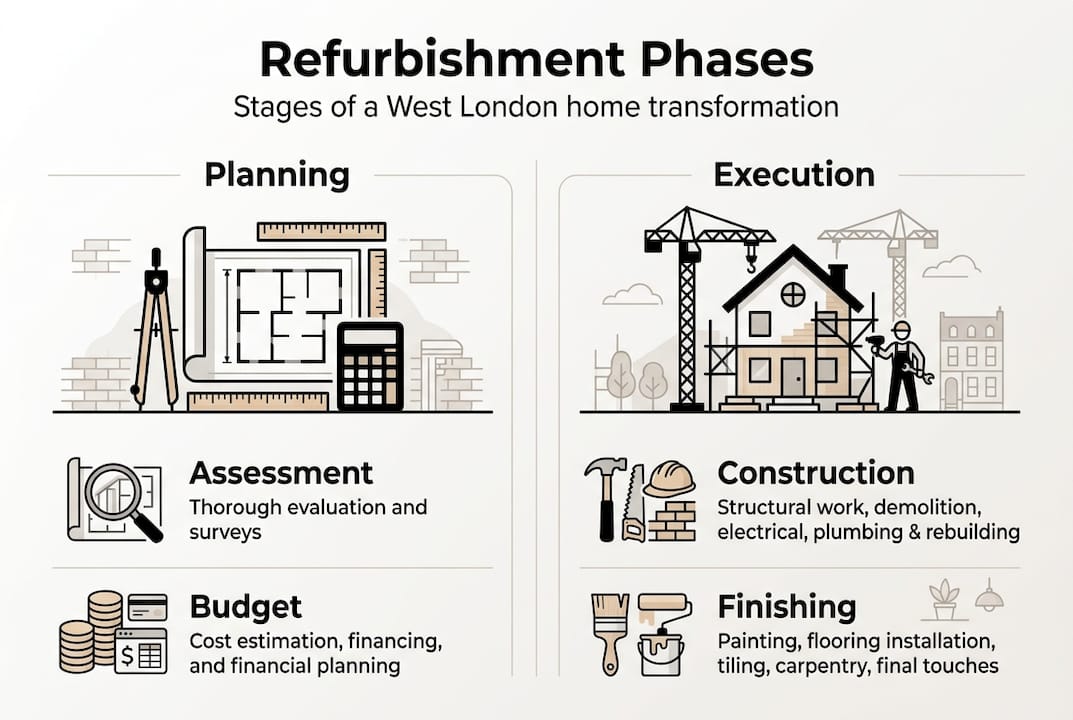
Now that we have reframed what it means to refurbish, let us break down what actually happens during a full project.
Phases of a full refurbishment project
Knowing the sequence of a refurbishment helps you plan realistically and avoid nasty surprises. Here is how a typical full refurbishment unfolds:
Survey and feasibility assessment. Before any work begins, a professional survey identifies the condition of the structure, services, and any hidden defects. Professional surveys help identify hidden defects, mitigating costly surprises that could derail your budget later.
Design and planning approval. An architect or designer produces drawings. If your property is listed or in a conservation area, planning permission may be required before work can start.
Structural and services work. This is the heavy phase: structural repairs, new plumbing runs, full rewiring, and any reconfiguration of load-bearing walls. It is noisy, dusty, and essential.
Internal reconfiguration and finishes. Once the structure and services are signed off, plastering, flooring, joinery, and decorating can begin. This is where your home starts to look like itself again.
Snagging and handover. A thorough snagging process catches any defects before the project is formally completed. A good contractor will walk through every room with you and address every item on the list.
Pro Tip: Use a detailed refurbishment checklist before your project begins. It keeps every trade accountable and ensures nothing falls through the cracks between phases.
Understanding the phases sets the stage for why homeowners might pursue a full refurbishment in the first place.
Why choose a full refurbishment in West London?
West London’s property market is one of the most buoyant in the country. Homes in Hammersmith, Notting Hill, and Chelsea command premium prices, and buyers in these areas expect properties to be finished to a high standard. A full refurbishment positions your home at the top of that market.
Strong ROI benchmarks in West London are driven by sustained demand, making a well-executed refurbishment one of the most reliable investments you can make in your property. The property refurbishment benefits extend well beyond resale value, too.
Improvement type | Estimated value uplift | Key benefit |
Full refurbishment | 15 to 25% | Maximises all aspects of the property |
Kitchen renovation only | 5 to 10% | Improves one key selling point |
Bathroom renovation only | 3 to 7% | Adds appeal but limited scope |
Redecoration only | 1 to 3% | Surface improvement, minimal ROI |
A full refurbishment consistently outperforms partial improvements in terms of value added. When you transform your space comprehensively, buyers and valuers notice. Energy efficiency upgrades, modern heating systems, and reconfigured layouts all contribute to a home that feels genuinely contemporary rather than patched together.
For homeowners who are not planning to sell, the liveability gains are just as compelling. Better insulation means lower energy bills. A reconfigured layout means a home that actually suits how your family lives. You can also boost home value through targeted upgrades within the wider project scope.

With the ‘why’ clarified, let us explore some of the main challenges and considerations involved.
Common challenges and expert considerations
West London is full of beautiful period properties, but beauty often comes with complexity. Older homes frequently hide problems that only become visible once work begins. Being prepared for these challenges is part of planning a successful project.
Common issues to anticipate include:
Structural defects: Subsidence, cracked lintels, and failing party walls are more common in Victorian and Edwardian terraces than many homeowners realise.
Damp and timber decay: Older properties often have inadequate damp-proofing, leading to rot in floor joists and window frames.
Outdated electrics: Pre-1970s wiring is frequently unsafe and must be fully replaced to meet current regulations.
Ageing plumbing: Lead pipes and old cast-iron drainage systems are common in pre-war homes and require replacement.
Refurbishment in listed or heritage properties in West London often involves trade-offs between historical features, insulation, and adhering to modern standards.
Planning permission adds another layer of complexity. If your home is listed or sits within a conservation area, even internal changes may require listed building consent. Ignoring this can result in enforcement action and costly remediation.
Pro Tip: Before committing to a full refurbishment, review the cost insights specific to West London properties. Understanding the realistic cost range for your property type prevents budget shock mid-project. You can also explore transformation tips to prioritise the changes that deliver the most impact.
Once aware of the pitfalls, you are ready to consider how to apply this knowledge when planning your own project.
Tips for a successful refurbishment project
A full refurbishment is a significant undertaking, but with the right approach it is entirely manageable. Here are the steps that make the biggest difference:
Choose contractors carefully. Ask for references, check previous projects, and confirm that your contractor carries the appropriate insurance and accreditations. Do not rely on price alone.
Insist on a detailed contract. A good contract specifies scope, materials, payment stages, and dispute resolution. Staged payments tied to project milestones protect you if things go wrong.
Engage a professional surveyor early. Surveys and professional guidance maximise your project’s value and prevent avoidable pitfalls. This is money well spent before a single wall is touched.
Build in regular progress checks. Schedule weekly or fortnightly site visits with your project manager. Catching issues early is far less expensive than correcting them after the fact.
Maintain a contingency budget. Set aside 10 to 15% of your total budget for unexpected costs. In older West London properties, this buffer is not optional; it is essential.
Pro Tip: For room-specific guidance within a larger project, the bathroom renovation guide for West London homeowners is a useful reference for understanding what a high-quality finish actually involves.
With clear steps in mind, let us recap how a full refurbishment could transform your West London home.
Summary: what a full refurbishment can achieve for your home
A full refurbishment is one of the most powerful tools available to a West London homeowner. When it is planned well and executed by skilled professionals, the results are transformative in every sense. Here is what you can realistically expect:
Integrated design: Every element of your home works together, from the layout to the lighting, creating a coherent and comfortable living environment.
Higher resale value: A fully refurbished property in West London commands a premium, often recouping the cost of the work and more.
Long-term savings: Modern insulation, efficient heating, and updated electrics reduce running costs year on year.
Tailored solutions: Whether your home is a Victorian terrace or a 1970s flat, a full refurbishment can be shaped around its specific character and your personal needs.
Peace of mind: Working with experienced professionals means the project is managed properly, with accountability at every stage.
You can browse recent projects to see the standard of finish that a well-managed refurbishment delivers in practice.
Ready to transform your West London home?
If this guide has helped you see the full picture of what a refurbishment involves, the next step is finding the right team to bring it to life. At Tenen Ltd, we have been delivering high-quality property refurbishment across West London since 2006, working with homeowners in Fulham, Chelsea, Kensington, Chiswick, Hammersmith, and Notting Hill.
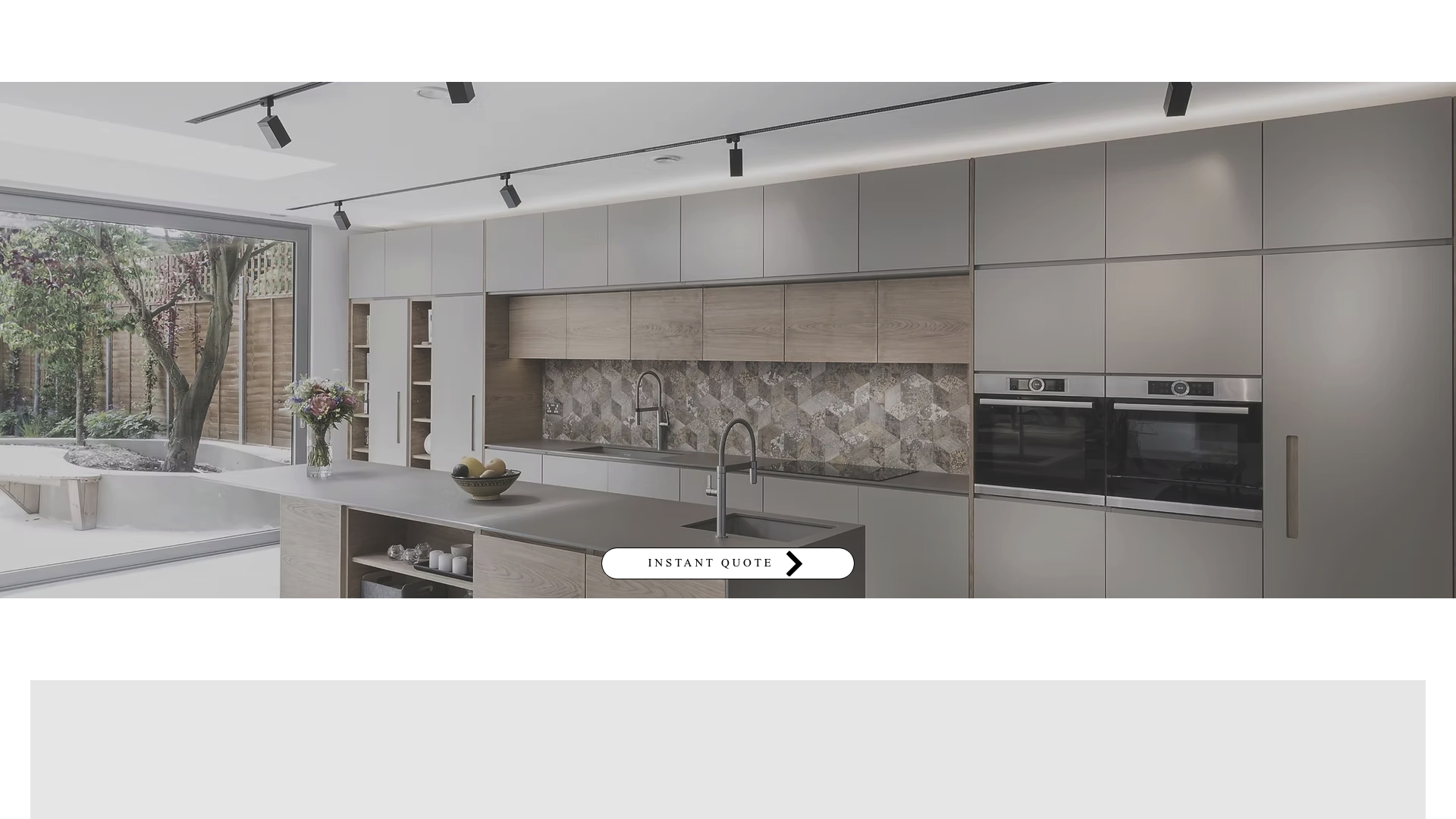
Our services cover everything from full refurbishments and home extensions to loft conversions, kitchen and bathroom renovations, electrical, plumbing, and carpentry. We take a bespoke approach to every project, ensuring the result reflects your vision and the character of your home. Whether you are ready to start or still in the planning stage, we would love to hear from you. Get in touch to arrange a consultation and take the first step towards a home you will genuinely love.
Frequently asked questions
How long does a full refurbishment usually take in West London?
Timescales vary based on scale and property constraints, but most full refurbishments in West London take between three and nine months from start to handover. Listed properties or those requiring planning approval may take longer.
Will a full refurbishment increase my property value?
Strong ROI benchmarks in West London confirm that a well-executed full refurbishment adds significant value, often between 15 and 25% depending on the scope and location. The high demand in areas like Kensington and Chelsea amplifies this effect.
Do I need planning permission for my renovation?
It depends on the scale and property type. Listed buildings and structural changes almost always require consent, and conservation area properties may need approval even for external alterations. Always check with your local authority before work begins.
What should I watch out for in older West London homes?
Hidden defects such as structural movement, outdated wiring, and damp are common in Victorian and Edwardian properties. A thorough professional survey before work starts is the single most important step you can take to protect your budget.
Recommended
Comments