
Smart home upgrades list: top picks for 2026
- luka bursac
- Jul 5
- 7 min read
TL;DR:
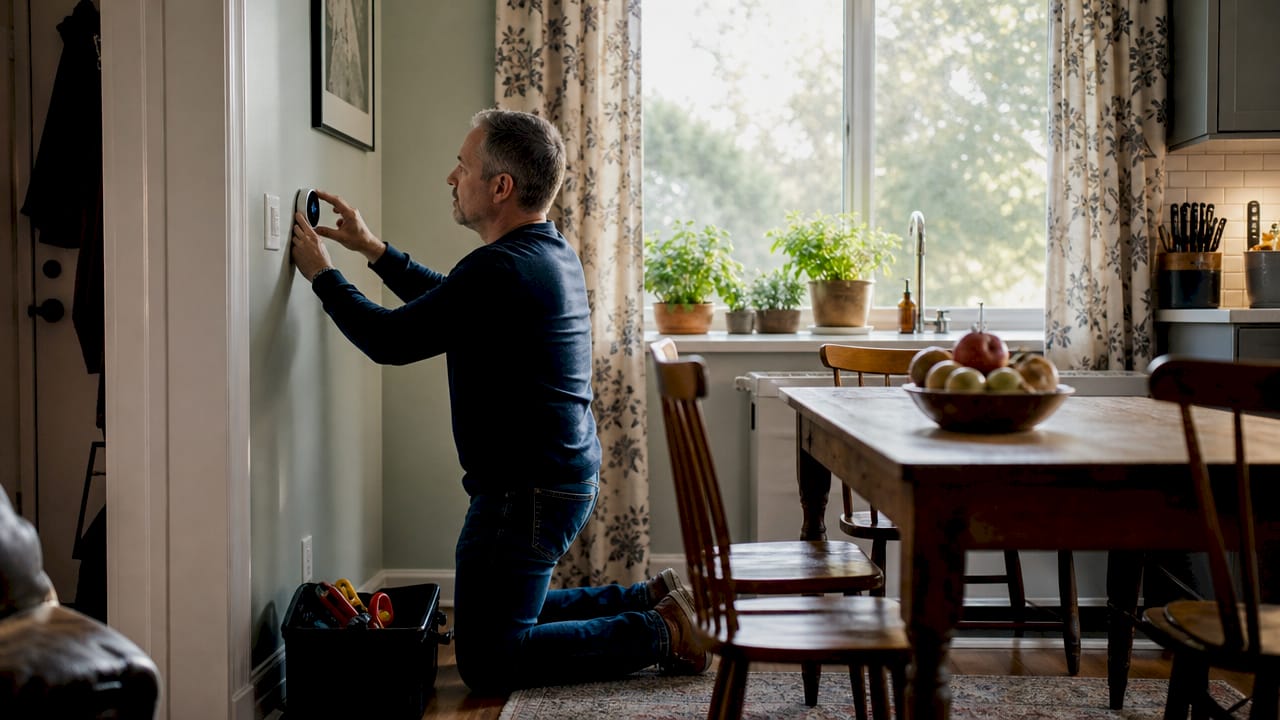
Smart home upgrades like smart thermostats, video doorbells, and leak detectors offer high ROI and improve security and energy savings.
Prioritizing energy efficiency and security infrastructure before lifestyle features maximizes long-term value and ease of use.
Starting with core devices and choosing Matter-certified products ensures seamless integration and future-proofing.
A smart home upgrades list identifies the devices and systems that improve convenience, security, and energy savings through automation and connectivity. The best upgrades pay for themselves over time. Smart thermostats deliver 50–75% ROI and cut heating and cooling bills by 10–15% annually. Video doorbells, smart lighting, and leak detectors round out the highest-value additions. Whether you are planning a full refurbishment or adding devices room by room, this guide covers the top home automation ideas ranked by return, cost, and practical impact for UK homeowners.
Smart home upgrades list: which devices deliver the best ROI?
The upgrades that deliver the strongest financial return share one quality: they work without requiring you to change your habits. Devices that operate silently in the background produce the highest homeowner satisfaction and the best long-term ROI. That insight shapes every recommendation below.
Device category | Typical cost range | ROI estimate | Key benefit |
Smart thermostat | £150–£300 | 50–75% | 10–15% annual energy saving |
Video doorbell | £100–£250 | 60–90% | Security and resale value |
Smart smoke and CO detector | £50–£150 | 60–80% | Safety and insurance benefit |
Smart LED lighting | £5–£30 per bulb | 75–80% energy reduction | Lower electricity bills |
Smart leak detector | £20–£50 | Very high | Prevents costly water damage |
Smart LED bulbs use 75–80% less energy than incandescent alternatives and last significantly longer. That combination means lower bills and fewer replacement costs over a five-year period. Video doorbells yield 60–90% ROI and add measurable security value that resonates with buyers at resale. Smart smoke and carbon monoxide detectors sit in the same ROI bracket and carry the added weight of protecting lives, which no financial metric fully captures.
How to prioritise upgrades by budget
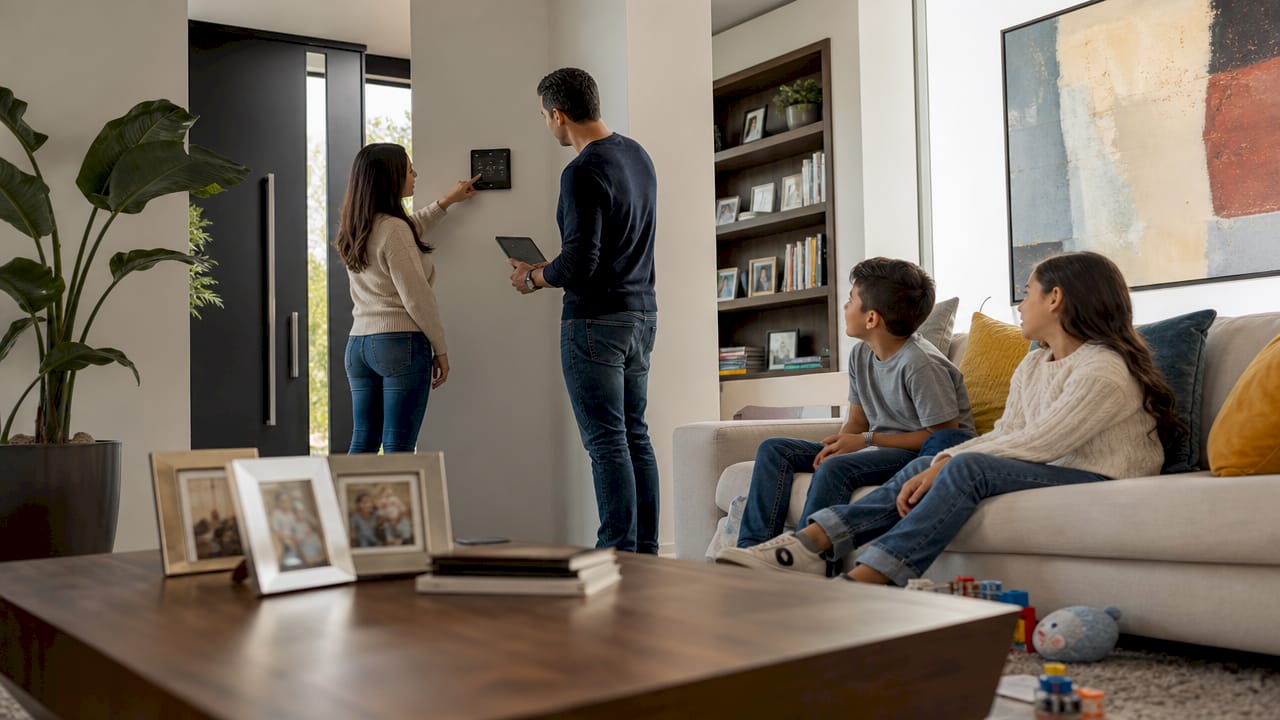
Smart home upgrades typically cost between £500 and £20,000+ depending on scope. That wide range reflects the difference between a single smart plug and a whole-home automation system. Knowing your budget tier before you shop prevents overspending on features you will rarely use.
Budget package (£800–£2,000): the essentials
This tier covers the devices with the fastest payback and the lowest installation complexity.
Smart plugs and power strips for monitoring standby energy draw
LED smart bulbs in high-use rooms such as the kitchen and living room
A smart thermostat for heating and cooling control
Basic door and window sensors for entry monitoring
Smart smoke and carbon monoxide detectors
Mid-range package (£2,500–£6,000): integrated control
At this level, you connect individual devices into a coordinated system.
Smart locks with remote access and entry logs
A video doorbell with cloud or local storage
Multi-room smart lighting with scene control
A smart speaker hub for voice and app control
A whole-home energy monitor to track consumption by circuit
Premium package (£8,000+): whole-home automation
This tier suits homeowners undertaking a full refurbishment or extension, where wiring and infrastructure can be planned from the outset.
Advanced security camera system with indoor and outdoor coverage
Smart window shades with automated scheduling
Smart irrigation controller for garden management
Integrated audio and visual systems across multiple rooms
Hardwired smart switches throughout for permanent, resale-ready control
Home technology experts advise prioritising energy efficiency and security infrastructure first before adding lifestyle features. That order ensures your investment pays back before you spend on convenience extras.
Pro Tip: Subscription costs for cloud storage and premium app features can surpass your upfront hardware spend within two to three years. Factor monthly fees into your total budget before committing to any device.
Practical home automation ideas that reduce effort
The best home automation ideas require zero behavioural change from you. You set them up once, and they run. That principle separates genuinely useful smart home essentials from gadgets that gather dust.
Devices worth installing for background operation:
Smart leak detectors placed under sinks, behind washing machines, and near boilers. Costing just £20–£50, they can prevent thousands of pounds in water damage by alerting you the moment moisture is detected.
Whole-home energy monitors that clip onto your consumer unit and show real-time consumption by circuit. You see exactly which appliances are drawing power and when.
Smart irrigation controllers that adjust watering schedules based on weather forecasts and soil moisture. Weather-based scheduling prevents overwatering, which lowers water bills and reduces the risk of fungal disease in your garden.
Smart switches installed in place of standard light switches. Unlike smart bulbs, switches work with any fitting and remain functional even when the physical switch is used. Permanent, hardwired smart switches add more resale value than smart bulbs because future buyers do not need to replace them.
Ecosystem compatibility is the factor most homeowners overlook at this stage. Matter-certified devices communicate across different platforms, which means a Matter thermostat works with Apple Home, Google Home, and Amazon Alexa without a separate bridge. Choosing Matter-compatible products from the start protects your investment as your system grows. For a broader overview of how these systems connect, the smart home technology basics guide covers foundational concepts clearly.
Which smart home upgrades improve security?
Security upgrades deliver both financial and practical returns. They reduce insurance premiums in many cases, deter opportunistic crime, and give you visibility over your property from anywhere. The key is choosing devices that integrate with each other rather than operating as isolated units.
Core security upgrades to consider:
Smart door locks with keypad, app, and remote access. You can grant temporary codes to tradespeople and review entry logs at any time. No physical key is needed, which removes the risk of lost or copied keys.
Video doorbells for front door monitoring. You receive a notification when someone approaches, can speak to visitors remotely, and capture footage automatically. This is one of the highest-ROI security devices available.
Security cameras for external coverage of driveways, side gates, and rear gardens. Local storage avoids ongoing subscription fees; cloud storage provides off-site backup if a camera is stolen or damaged.
Smart smoke and carbon monoxide detectors that send alerts to your phone even when you are away from home. Standard detectors only alarm locally. Smart versions notify you and your household wherever you are.
Pro Tip: Contact your home insurer before purchasing a security system. Many providers offer premium reductions for professionally monitored or app-connected security installations. The saving can offset a meaningful portion of your upfront cost.
Integrated platforms matter here as much as they do for energy management. A security camera that does not communicate with your smart lock or doorbell creates gaps in your coverage. Choosing devices within the same ecosystem, or certified to the Matter standard, closes those gaps. For ideas on how security upgrades fit within a wider renovation, the green renovation strategies resource covers how technology and refurbishment planning work together.
Key takeaways
The highest-value smart home upgrades combine energy savings, security, and background automation, starting with a smart thermostat and building outward from there.
Point | Details |
Start with energy and security | Smart thermostats and video doorbells deliver the strongest ROI and pay back fastest. |
Match upgrades to your budget tier | Budget, mid-range, and premium packages each suit different scopes and objectives. |
Choose Matter-certified devices | Ecosystem compatibility prevents frustration and protects your investment as you add devices. |
Account for subscription costs | Cloud storage and premium features can exceed hardware costs within two to three years. |
Prefer hardwired switches over bulbs | Permanent smart switches add more resale value and require no special bulb replacements. |
My view on where most homeowners go wrong
Most people build their smart home backwards. They buy a voice assistant, a few coloured bulbs, and a novelty gadget or two, then wonder why the system feels fragmented and high-maintenance. The devices that genuinely improve daily life are the ones you never think about after installation.
I have seen this pattern repeatedly. A homeowner invests in an elaborate entertainment system with app-controlled everything, then ignores the fact that their heating is still on a 1990s timer and their front door has no camera. The entertainment system requires constant attention. The thermostat and doorbell would have required none, and would have paid back within three years.
Starting with energy efficiency and security creates a foundation that funds the next layer of upgrades. A smart thermostat saving 12% on your annual heating bill is not exciting, but that saving compounds. After five years, it has paid for itself and contributed toward a smart lock or irrigation controller.
The other mistake I see is ignoring long-term ownership costs. A security camera that costs £80 upfront but requires a £5 monthly cloud subscription costs £220 over three years. That changes the value calculation entirely. Build a full cost model before you commit, not after.
My honest recommendation: plan your smart home the way you would plan a refurbishment. Start with the infrastructure, prioritise the highest-return items, and add lifestyle features once the foundations are solid. The result is a home that works for you rather than one you have to manage.
— Mateja
How Tenenltd supports smart home readiness in London
Planning smart home upgrades during a refurbishment or extension is far more cost-effective than retrofitting later. Electrical routes, conduit runs, and switch positions are all easier to address when walls are already open.
Tenenltd has been working with London homeowners since 2006, delivering home extensions and full refurbishments across Fulham, Chelsea, Kensington, Chiswick, and Hammersmith. Projects are planned with smart home readiness in mind, from electrical capacity to switch placement and network infrastructure. If you are considering a loft conversion, rear extension, or full property refurbishment, speak to the Tenenltd team about integrating smart home infrastructure from the outset. It is the most practical way to future-proof your home.
FAQ
What is the best first smart home upgrade?
A smart thermostat is the best starting point. It delivers 50–75% ROI and reduces heating and cooling bills by 10–15% annually with no change to your daily routine.
How much does a smart home upgrade cost in the UK?
Costs range from around £800 for a basic package of smart plugs, bulbs, and sensors, up to £8,000 or more for whole-home automation. Mid-range systems with thermostats, smart locks, and video doorbells typically fall between £2,500 and £6,000.
What does Matter certification mean for smart home devices?
Matter is an interoperability standard that allows devices from different manufacturers to work together on a single platform. Choosing Matter-certified devices means your thermostat, locks, and lighting can all be controlled through one app regardless of brand.
Do smart home upgrades increase property value?
Security and energy efficiency upgrades, particularly video doorbells, smart thermostats, and hardwired smart switches, contribute positively to resale value. Buyers recognise the ongoing savings and convenience these systems provide.
Are there hidden costs with smart home devices?
Subscription fees for cloud storage and premium app features are the most common hidden cost. Long-term ownership costs can exceed upfront hardware prices within two to three years, so factor monthly fees into your budget from the start.
Recommended
Comments