
House exterior upgrade guide: boost value in 2026
TL;DR:
Proper phased exterior upgrades can significantly increase a home’s value and curb appeal by prioritizing structural repairs first. Budgeting for unexpected issues and conducting a thorough punch list ensures a high-quality, durable finish. Landscaping and cosmetic improvements further enhance the property’s visual impact and market value.
A house exterior upgrade guide is a structured plan for improving your property’s kerb appeal, weatherproofing, and market value through phased renovation and landscaping. Quality exterior upgrades can increase perceived home value by 5.5% to 20%, with significant improvements reaching up to 30%. The industry term for this process is exterior refurbishment, covering everything from roofing and siding to planting beds and front door replacement. Getting the sequence right matters as much as the work itself. This guide gives you a clear, practical framework for planning and executing your upgrades without wasting money or time.
How to plan your house exterior upgrades effectively
Phased renovation spreads costs across multiple years and keeps each stage manageable. Rather than attempting everything at once, you break the project into structural, cosmetic, and landscaping phases. This approach protects your cash flow and lets you respond to surprises without derailing the whole project.
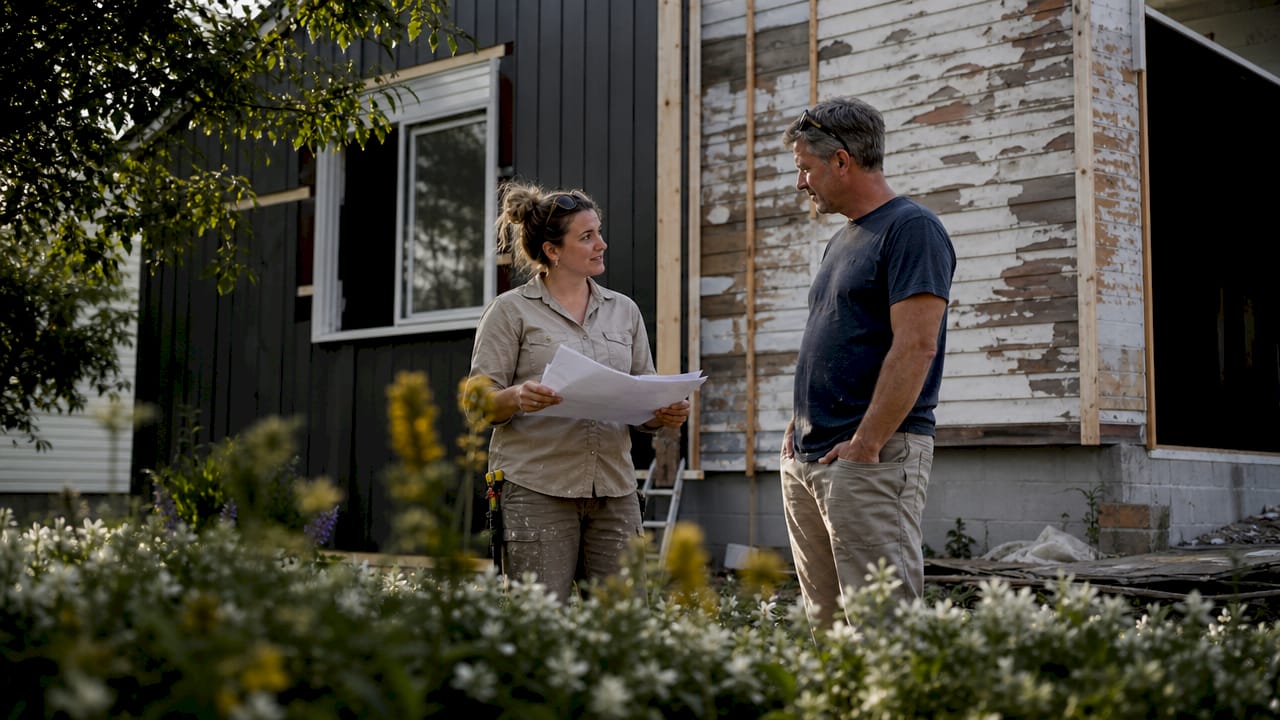
Budgeting is where most homeowners underestimate the work. Always set aside 10–20% of your total budget as a contingency fund for unexpected structural repairs. That figure is not pessimism. It reflects the reality that older properties in London regularly reveal hidden issues once work begins.
Sequencing is the single most important planning decision you will make. Structural repairs must come before cosmetic work. Painting a wall before fixing the damp behind it wastes money and damages the finish. A solid renovation planning guide will always reflect this logic.
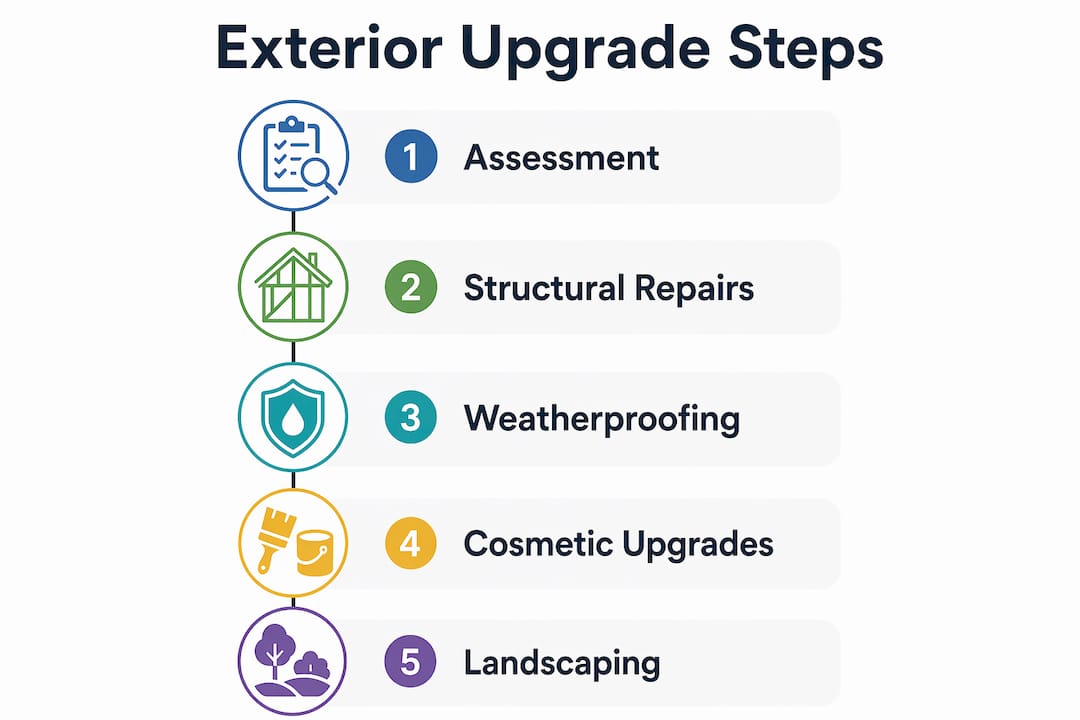
Pro Tip: Write your upgrade list in two columns: “structural” and “cosmetic.” Complete every item in the structural column before touching the cosmetic one. This one habit prevents the most common and costly sequencing mistakes.
Phase | Typical work | Key consideration |
Structural | Roof, siding, windows, damp | Complete before any cosmetic work |
Cosmetic | Paint, cladding, doors, lighting | Depends on structural phase being finished |
Landscaping | Planting, hardscape, lawn care | Best scheduled after building works end |
Final checks | Punch list, caulk seals, trim lines | Confirm weatherproofing before sign-off |
What are the essential structural upgrades for your house exterior?
Structural upgrades protect your home and directly affect buyer perception. Visible roof or siding issues are red flags for buyers and surveyors alike. Addressing them first improves inspection outcomes and prevents cosmetic work from being undone later.
The most common structural upgrades include:
Roof inspection and repair. Replace missing or damaged tiles, check flashing around chimneys and skylights, and clear gutters. A sound roof signals overall property maintenance to any buyer or valuer.
Siding replacement or repair. Cracked, warped, or rotting siding lets moisture into the wall structure. Repair or replace before applying any render or cladding.
Window and door replacement. Double or triple glazing reduces heat loss and improves the visual line of the facade. New frames also eliminate draughts and condensation that signal poor maintenance.
Damp and drainage checks. Inspect the base of external walls, around window reveals, and at ground level. Unresolved damp will ruin any cosmetic finish within one or two winters.
Fascias, soffits, and guttering. These are often overlooked but they protect the roof edge and wall top from water ingress. uPVC replacements are low maintenance and last decades.
The most common mistake at this stage is painting or rendering over structural problems. Performing upgrades out of sequence risks damaging cosmetic finishes when later structural repairs are needed. Fix the fabric of the building first, then make it beautiful.
Which exterior finishes and features best enhance kerb appeal?
Once the structure is sound, cosmetic upgrades deliver the visual impact that creates a strong first impression. The right choices here can genuinely breathe new life into a tired facade. Colour, texture, and lighting work together to define the character of your home.
The most effective cosmetic upgrades include:
Exterior paint and trim. Choose colours that complement the architectural period of your home. For London Victorian and Edwardian properties, off-whites, deep greens, and slate greys read as both period-appropriate and contemporary. Always use masonry paint rated for exterior use.
Front door replacement. A new front door is one of the highest-impact, lowest-cost upgrades available. Solid timber or composite doors in bold colours such as navy, racing green, or anthracite grey create a strong focal point.
Garage door upgrade. A tired garage door pulls down the entire facade. Timber-effect sectional doors or powder-coated steel panels modernise the elevation quickly.
Cladding and render. Silicone render or timber cladding adds texture and weather resistance. Both materials update the look of a property while improving its thermal performance.
Exterior lighting. Wall-mounted lanterns flanking the front door, path lighting, and uplighting for mature trees all add ambience and security. Lighting is often the last thing homeowners budget for and the first thing visitors notice.
Fencing and boundary treatments. Painted timber railings, brick piers, or low hedging define the boundary and frame the property. A well-defined boundary signals pride of ownership.
Pro Tip: Before ordering materials, collect physical samples of your paint colour, cladding, and door finish and hold them against the property in natural daylight. Colours shift dramatically between a paint chart and a rendered wall in British overcast light.
How can landscaping improve home exterior and value?
Landscaping is the most underrated lever in any exterior refurbishment. Homeowners often treat it as an afterthought, but the data tells a different story.
Invest in lawn care first. Basic lawn care and routine maintenance offer up to 217% ROI at resale. A well-kept lawn costs relatively little but signals that the whole property is cared for.
Plant a large shade tree. A single mature shade tree in the front garden can add £800 to £8,000 to your appraised value depending on species and placement. Plant early in your phased plan so the tree establishes before you sell.
Design planting beds with structure. Use evergreen shrubs as the backbone, then layer seasonal colour around them. Structured planting looks intentional rather than accidental and requires less maintenance than annual bedding.
Add hardscape features. A new front path in natural stone or block paving, a low retaining wall, or a defined driveway edge all add visual order. Hardscape also reduces mud and wear on the property entrance.
Time your planting correctly. Spring and autumn are the best seasons for establishing new planting in the UK. Avoid planting during summer drought or hard winter frost, as establishment rates drop significantly.
Use lighting in the garden. Solar-powered path lights and low-voltage uplighters for specimen plants cost little to run and extend the visual impact of your landscaping into the evening hours.
The return on landscaping investment is real and measurable. Properties with well-maintained gardens and mature planting consistently achieve stronger valuations. For a deeper look at how kerb appeal translates to value, the curb appeal and home value analysis from Tenenltd sets out the evidence clearly.
What mistakes to avoid before completing your exterior project
The final stage of any exterior refurbishment is where quality is won or lost. Rushing to completion without a structured check introduces defects that become expensive to fix after the contractor has left.
A detailed punch list walkthrough with your contractor is not optional. Inspecting trim lines, paint coverage, and caulk seals before sign-off catches the small failures that cause large problems over winter. Check every window reveal, every door frame, and every junction between materials.
Mistake | Consequence | Prevention |
Painting in cold or damp conditions | Paint fails to cure, peels within months | Paint only above 10°C and in low humidity |
Fitting vinyl siding in extreme heat | Panels warp or buckle | Schedule installation in mild weather |
Skipping the punch list | Defects discovered after contractor leaves | Walk the full perimeter with a checklist |
Ignoring budget contingency | Project stalls mid-phase | Reserve 10–20% from the outset |
Season-dependent installation is a genuine technical requirement, not a preference. Paint requires temperatures above 10°C and low humidity to cure correctly. Vinyl siding should not be fitted in extreme heat. Scheduling your final cosmetic phase for late spring or early autumn in the UK gives you the best conditions for a durable finish.
Key takeaways
The most effective house exterior refurbishment follows a strict sequence: structural repairs first, cosmetic upgrades second, and landscaping last, with a contingency budget and a final punch list walkthrough to protect the result.
Point | Details |
Sequence work correctly | Complete all structural repairs before starting any cosmetic or landscaping work. |
Budget with contingency | Reserve 10–20% of your total budget for unexpected structural issues. |
Landscaping adds measurable value | Routine lawn care can deliver up to 217% ROI; mature trees add significant appraised value. |
Seasonal timing protects finishes | Paint and siding installation require mild, dry conditions to cure and perform correctly. |
Punch list before sign-off | Walk the full perimeter with your contractor and check every seal, trim line, and paint edge. |
What I have learned from phased exterior renovations
After working on properties across West and Central London for nearly two decades, the pattern I see most often is homeowners who want to do everything at once. The impulse is understandable. You have a vision of the finished property and you want to reach it quickly. But the homes that end up looking genuinely well-considered are almost always the ones where the owner took a phased approach.
The structural phase is unglamorous. Nobody photographs new guttering or a re-pointed chimney stack. But skipping it means your beautiful new render cracks, your fresh paint peels, and your expensive front door sits in a frame that still lets in water. I have seen this happen more times than I can count, and it always costs more to fix than it would have to prevent.
The finishing touches matter more than most people expect. A perfectly rendered wall with a cheap plastic light fitting looks unfinished. A modest property with well-chosen lighting, a quality front door, and a tidy garden reads as cared for and considered. That impression is what buyers pay a premium for. Get the refurbishment checklist right and the result takes care of itself.
— Mateja
How Tenenltd supports your exterior renovation
Tenenltd has been working with homeowners across Fulham, Chelsea, Kensington, Chiswick, Hammersmith, and Notting Hill since 2006. The team specialises in full refurbishments, home extensions, painting and decorating, and all the structural and cosmetic work that a phased exterior renovation requires.
Whether you are planning a full exterior refurbishment or starting with a single phase, Tenenltd brings the workmanship and project management experience to get it right. The team handles everything from structural repairs and rendering to carpentry, electrical, and plumbing, so your project moves forward without gaps or delays. If you are ready to plan your next phase, explore Tenenltd’s property refurbishment services or speak to the team about home extensions in London that complement your exterior upgrade plans.
FAQ
How much value do exterior upgrades add to a home?
Quality landscaping and kerb appeal improvements can increase perceived home value by 5.5% to 20%, with significant upgrades reaching up to 30%. Structural improvements such as roofing and siding also improve survey outcomes and buyer confidence.
What exterior upgrades should I do first?
Structural repairs always come first: roof, siding, windows, damp, and drainage. Cosmetic upgrades such as paint, cladding, and landscaping follow only after the building fabric is sound.
What is a punch list in exterior renovation?
A punch list is a final inspection checklist completed with your contractor before project sign-off. It covers trim lines, paint coverage, caulk seals, and weatherproofing at every junction and reveal.
When is the best time of year to do exterior work in the UK?
Late spring and early autumn offer the most reliable conditions. Paint requires temperatures above 10°C and low humidity to cure correctly, making summer and mild autumn the preferred seasons for finishing work.
Does landscaping really improve property value?
Routine lawn care alone can deliver up to 217% ROI at resale. A single large mature tree in the front garden can add between £800 and £8,000 to the appraised value depending on species and placement.
Recommended
Comments