
What does a bathroom renovation cost in London?
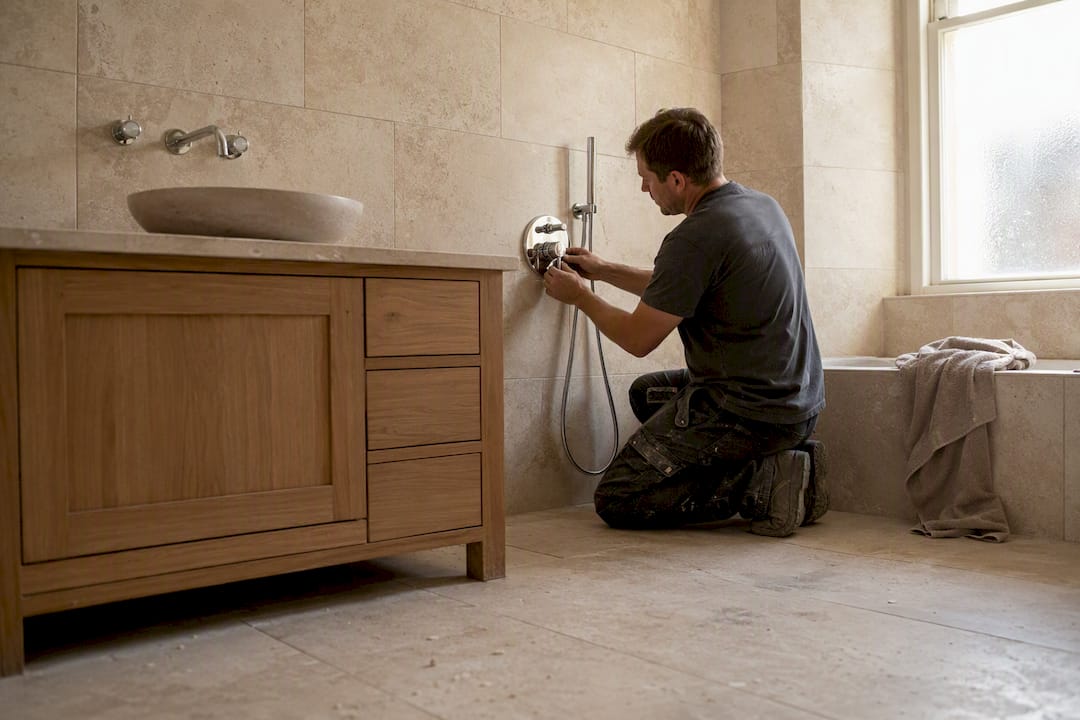
A basic bathroom refresh in London typically runs £3,000 to £7,000, a mid-range family bathroom renovation sits between £6,000 and £15,000, and a luxury or reconfigured project starts around £12,000 and can climb past £30,000. These figures sit above national averages because London labour rates, access constraints and property age all push costs upward. Your first move should be booking an on-site survey and collecting three itemised quotes before you commit to anything.
Here’s the quick breakdown:
Basic refresh: £3,000–£7,000 for like-for-like swaps with standard fittings
Mid-range renovation: £6,000–£15,000 for improved finishes and some layout changes
Luxury/premium: £12,000–£30,000+ for reconfiguration, bespoke joinery and natural stone
Key Takeaways
Accurate bathroom renovation budgeting in London depends on matching your specification to a realistic cost tier and comparing itemised, trade-by-trade quotes rather than single headline figures.
Point | Details |
Know your tier | Basic (£3,000–£7,000), mid-range (£6,000–£15,000) and luxury (£12,000–£30,000+) cover most London projects. |
Labour dominates cost | Multi-trade labour is typically the largest single line item, often £3,500–£4,200 on an £8,000 mid-range job. |
Build in contingency | Add 10–20% to your quoted total to cover hidden defects like old drainage or damp. |
Specification drives price gaps | Choosing stone, bespoke joinery or smart controls over mid-range alternatives is the biggest cost variable. |
Get expert help | Tenen Ltd offers on-site surveys and itemised quotes for bathroom renovations across West and Central London. |
Table of Contents
Bathroom renovation cost London: understanding the price tiers
What’s included in a typical bathroom renovation price estimate?
How do you get an accurate bathroom renovation price estimate?
Tenen Ltd’s take on planning a bathroom renovation in West and Central London
The gap between headline prices and what you’ll actually pay
Ready to plan your bathroom renovation? Here’s what happens next
Bathroom renovation cost London: understanding the price tiers
Every quote you receive will fall roughly into one of three tiers, and knowing which one matches your ambitions saves a lot of confused back-and-forth with contractors.
Basic refresh. This covers swapping out a bath, toilet and basin for similar-sized replacements, retiling existing walls and refreshing the flooring. You keep the existing plumbing layout, which keeps costs down. This tier is typical for standard London bathrooms, and it is where DIY-adjacent shortcuts may offer savings.
Mid-range renovation. This is where most London homeowners land. You’re likely changing the layout slightly, upgrading to better-quality sanitaryware, adding a proper shower enclosure and improving tiling throughout. Typical mid-range budgets sit near £8,000 to £15,000, and this band often includes underfloor heating as a comfort upgrade rather than a necessity.
Premium and luxury. Bespoke joinery, natural stone tiling, freestanding baths, digital shower controls and full room reconfiguration significantly increase costs, sometimes reaching considerably higher levels for larger principal bathrooms with structural changes. This tier also includes wet room conversions requiring additional waterproofing and drainage work beyond standard shower tray installations.
Smaller cloakrooms and en suites naturally sit at the lower end of whichever tier you choose, simply because there’s less surface area to tile and fewer fittings to install. Larger principal bathrooms, particularly those over 8 square metres, tend to push costs toward the top of their tier even with modest specifications, purely because of the volume of materials and labour hours involved.
What’s included in a typical bathroom renovation price estimate?
Understanding where your money actually goes helps you interrogate a quote properly rather than just comparing bottom-line figures.
Full bathroom refits in London typically range from £2,500 to £10,000 for standard jobs, with specialised wet rooms and luxury refits costing considerably more once you factor in bespoke elements.
Labour: Multi-trade labour (plumber, electrician, tiler, carpenter) is usually the single biggest cost line. On a typical £8,000 mid-range project, labour can account for £3,500 to £4,200 once every trade has been paid.
Tiling and finishes: Tile supply and labour together typically run per square metre, with costs escalating sharply once you move from ceramic to natural stone or large-format porcelain slabs.
Sanitaryware and brassware: Mid-range suites (bath, basin, toilet, taps) sit at a sensible mid-point; designer brassware and freestanding baths can double this line alone.
Plumbing and drainage: Moving a toilet or basin means new soil pipe runs, which adds cost quickly compared with keeping fittings in their existing positions.
Electrics: Qualified electricians in London typically charge £200 to £320 per day for rewiring, extractor fan installation and lighting circuits, all of which must satisfy Part P.
Waterproofing, underfloor heating, skip hire and sundries: Tanking behind showers, heated flooring, and waste disposal add up, particularly in properties with restricted access.
Pro Tip: Ask your contractor to break labour down by trade in the written quote. It’s the fastest way to spot where two competing quotes actually differ.
Why do some London bathrooms cost more than others?
Two bathrooms of identical size can cost wildly different amounts, and the reasons are almost always specific to where you live and what you’re changing.
Access constraints: Fourth-floor flats with no lift, narrow Victorian staircases and restricted parking all slow deliveries and add labour hours. Skip hire and waste removal in central London postcodes carry a premium versus outer boroughs simply because of congestion charging and limited loading windows.
Layout changes: Keeping your existing plumbing layout is always cheaper than moving a toilet or basin, which requires new soil pipe runs and sometimes floor excavation.
Hidden defects: Older London properties frequently reveal problems once work starts. Ageing cast-iron drainage, hidden damp behind old tiling, or corroded pipework can add unplanned cost, which is exactly why contingency budgeting matters.
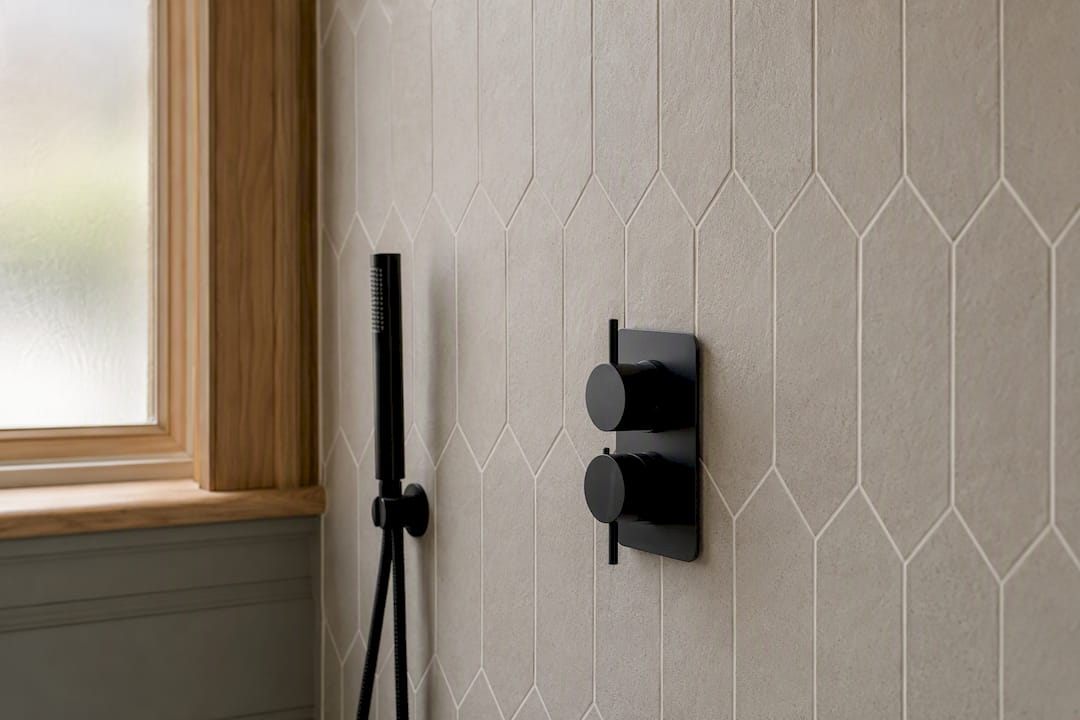
Specification jumps: Natural stone tiles, bespoke vanity cabinetry and digital shower valves with smart controls can add thousands compared with quality mid-range alternatives that perform almost as well day to day.
Pro Tip: If your property is pre-1930s, budget extra time and money for drainage surprises. Cast-iron pipework rarely survives a full inspection intact.
How do you get an accurate bathroom renovation price estimate?
Getting quotes you can genuinely compare takes a bit of preparation on your end, but it pays off in fewer surprises once work begins.
Measure and photograph the room. Note the position of existing plumbing, window placement and any structural features before contacting contractors.
Draft a specification list. Decide roughly which tier you’re aiming for and note any must-haves (walk-in shower, specific tile type, heated towel rail).
Request itemised, written quotes. Every quote should break down trades, materials, timescale, payment schedule and warranty terms. Itemised, trade-by-trade quotes make it far easier to compare value between contractors and reduce the risk of disputes once work is underway.
Build in contingency. A cushion of 10 to 20% on top of your quoted total covers the unexpected, particularly on older properties or projects involving drainage work.
Understand VAT and payment terms. Most UK contractors charge standard-rate VAT on labour and materials unless specific exemptions apply; ask your contractor to confirm whether their quote is VAT-inclusive. Expect a payment schedule tied to milestones (deposit, first fix, second fix, completion) rather than one lump sum upfront.
Watch for red flags. Vague scope descriptions, cash-only handshake pricing, and an unwillingness to provide references or evidence of Part P competence for electrical work are all reasons to walk away.
How long does a London bathroom renovation actually take?
Timelines vary by scope, but most London homeowners can expect the following:
Survey and quoting: Allow one to two weeks to receive qualified written quotes once a contractor has visited.
Basic refresh: Typically 7 to 10 working days once materials are on site.
Mid-range renovation: Commonly 10 to 21 working days, depending on layout changes.
Luxury or reconfigured projects: Longer still, particularly where bespoke cabinetry or specialist stone needs lead time to manufacture and deliver.
Restricted access and building control sign-off for structural or drainage changes can extend any of these timelines further.
Tenen Ltd’s take on planning a bathroom renovation in West and Central London
Tenen Ltd has worked on residential refurbishments across West and Central London since 2006, including dedicated bathroom renovation projects across Fulham, Chelsea, Kensington, Chiswick, Hammersmith and Notting Hill. Across these postcodes, period properties are the norm rather than the exception, which means drainage and damp checks matter more here than in newer developments.
Our recommendation for most homeowners weighing durability against cost: choose mid-range porcelain tiling over budget ceramic, and invest in a quality shower valve even if you economise elsewhere. Both hold up far better against London’s hard water and daily use than cheaper alternatives that need replacing within a few years.
The gap between headline prices and what you’ll actually pay
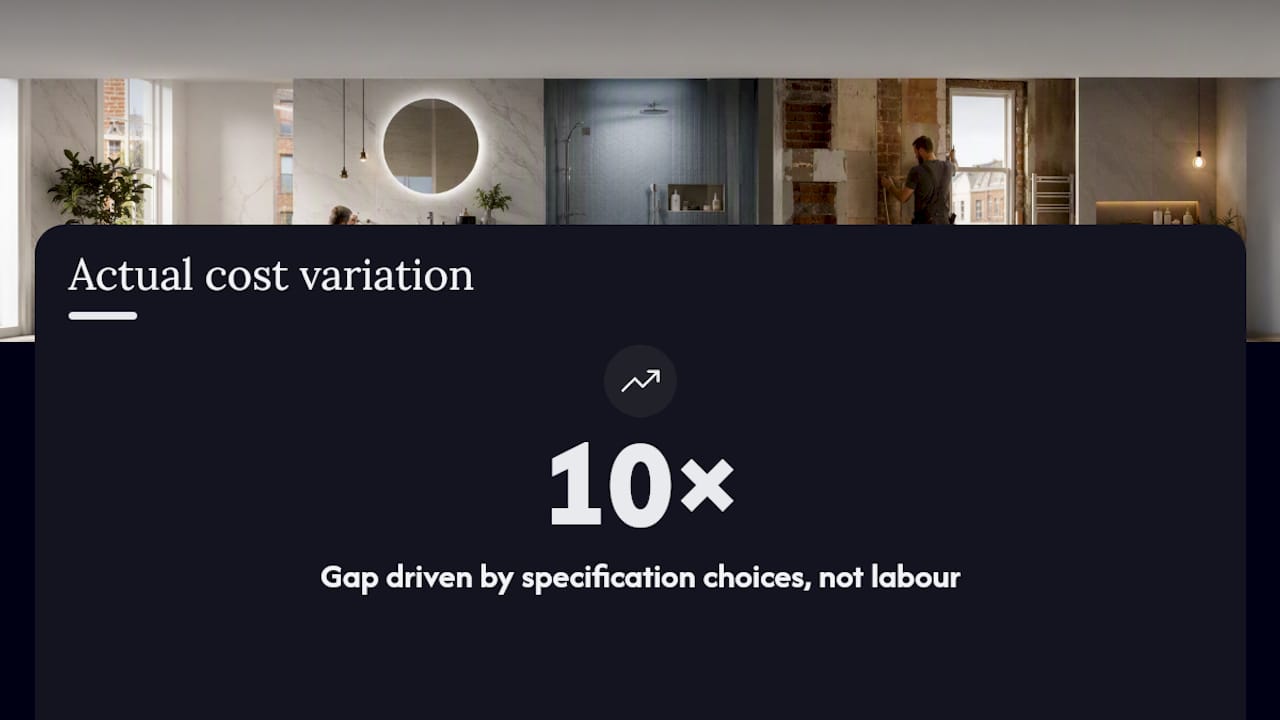
Most cost guides hand you a single number and move on. That’s not particularly useful, because the difference between the cheapest and most expensive version of the “same” bathroom in London can be tenfold, and the driver is almost never labour rates. It’s specification.
Homeowners consistently underestimate how much natural stone, bespoke cabinetry and smart fittings add versus quality mid-range alternatives that look nearly identical in a showroom and perform almost as well for a decade or more. The conventional advice to “get three quotes and pick the middle one” misses this entirely. Three quotes for three different specifications tell you nothing useful. Three itemised quotes for the same specification tell you everything.
If there’s one thing worth prioritising above all else, it’s writing your specification down before you call anyone. A vague brief produces vague, incomparable quotes. A precise one produces prices you can actually trust and a project that doesn’t drift once work begins.
— Mateja
Ready to plan your bathroom renovation? Here’s what happens next
Tenen Ltd handles bathroom renovations across West and Central London from first survey through to final snagging, working directly with the trades rather than subcontracting through layers of middlemen.
An initial site survey covers your existing layout, plumbing positions and any access constraints specific to your property, and it’s how we put together a genuinely itemised quote rather than a rough estimate. That quote breaks down labour, materials, timescale and payment milestones so you know exactly what you’re paying for at each stage, and it comes with warranty terms on workmanship. If your project also touches wider refurbishment work, our property refurbishment service can run alongside it.
Visit our bathroom renovation page to see examples of recent West London projects, or get in touch directly to book your on-site survey and receive your itemised quote.
Sources
Recommended
Comments