
Bathroom renovation how to: expert guide for West London
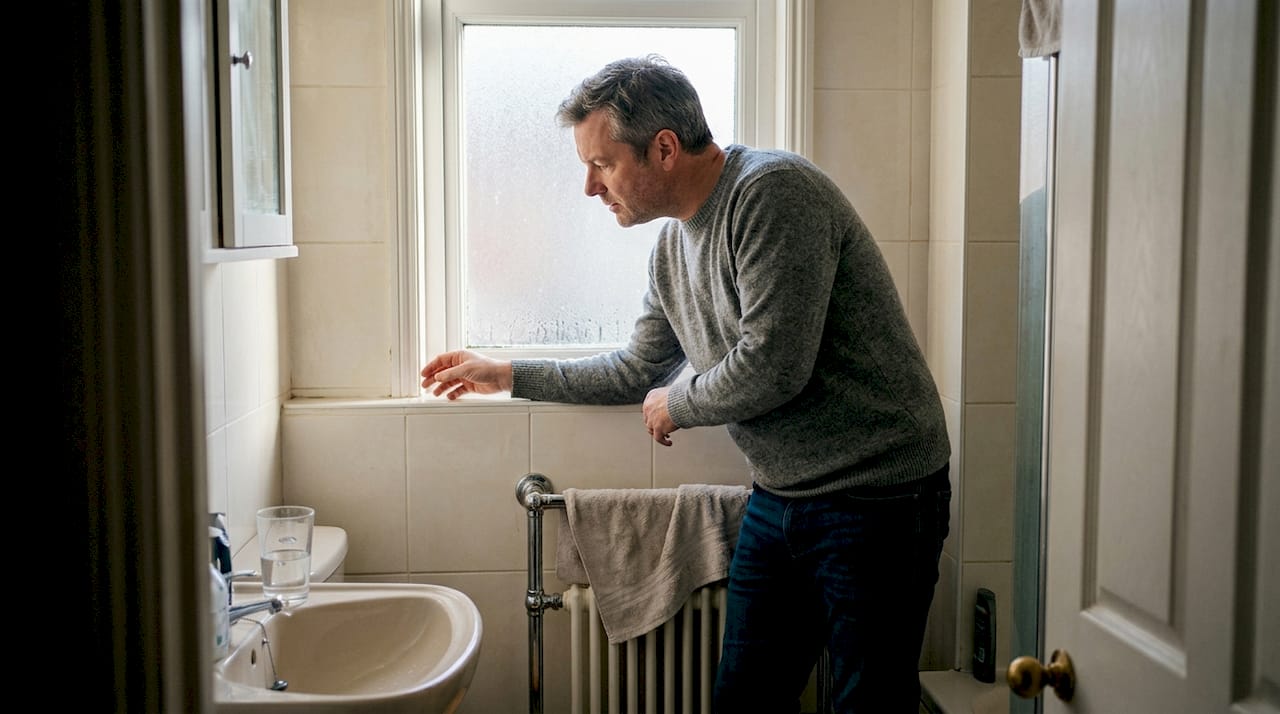
Bathroom renovations can feel overwhelming, especially when juggling design choices, material selection, and contractor coordination. West London homeowners often face unique challenges, from navigating local building regulations to finding skilled tradespeople who understand period property constraints. This guide provides expert insights to help you plan, execute, and verify your bathroom renovation with confidence, ensuring your project delivers lasting value and functionality.
Table of Contents
Key Takeaways
Point | Details |
Assessment and goals | Start by assessing the current bathroom for water damage, outdated plumbing, poor ventilation and structural issues, then set clear renovation goals. |
Budgeting and pitfalls | Prepare a realistic budget with a 10 to 15 per cent contingency and obtain multiple quotes with detailed cost breakdowns to avoid cost overruns. |
Regulatory planning | Identify local requirements and seek building control approvals early, especially in conservation areas or listed buildings, to prevent delays. |
Design and materials | Choose a design that respects period property character while delivering modern functionality and select durable, low maintenance materials suitable for bathrooms. |
Understanding your bathroom renovation project
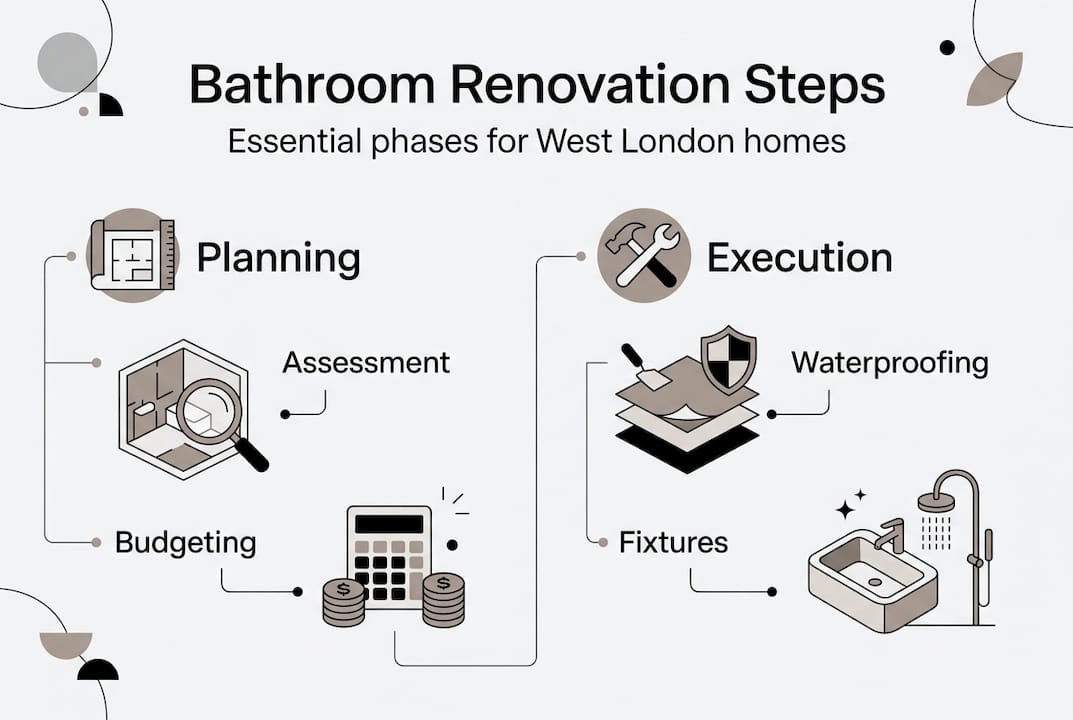
Starting a bathroom renovation without proper assessment is like building on shaky foundations. You need clarity on what you’re working with and what you want to achieve. Begin by evaluating your current bathroom’s condition. Check for water damage, outdated plumbing, poor ventilation, and structural issues. These factors directly impact your budget and timeline.
Define your renovation goals clearly. Are you updating for personal comfort, improving accessibility, or increasing property value? West London homes, particularly period properties in areas like Kensington and Notting Hill, often require sensitive approaches that respect architectural heritage whilst incorporating modern functionality. Your goals should balance aesthetic preferences with practical needs like storage, lighting, and water efficiency.
Understanding local regulations is non-negotiable. Most bathroom renovations in West London require building control approval, especially when altering plumbing, electrical systems, or ventilation. If you’re in a conservation area or listed building, additional permissions may apply. Consult your local council early to avoid costly delays.
Planning your budget meticulously helps prevent cost overruns during bathroom refurbishments. Allocate 10 to 15 per cent as contingency funds for unexpected issues like hidden pipework problems or structural surprises. Common renovation pitfalls include:
Underestimating timescales and living without a functional bathroom
Choosing trendy materials that date quickly or require high maintenance
Failing to coordinate trades, causing scheduling conflicts and delays
Ignoring ventilation requirements, leading to mould and damp issues
Skipping proper waterproofing, resulting in expensive water damage
Realistic budgeting means itemising every cost: labour, materials, permits, skip hire, and temporary facilities. Get multiple quotes from reputable contractors and ask for detailed breakdowns. A well-planned budget protects you from financial stress and ensures you can plan your bathroom refurbishment budget with confidence.
Now that you understand your project’s essentials, let’s explore how to prepare effectively by choosing the right design and materials.
Choosing the right design and materials for your bathroom
Your bathroom design should reflect your home’s character whilst meeting your functional needs. West London properties range from Victorian terraces to modern flats, each demanding different design approaches. Period homes benefit from classic styles that honour original features, whilst contemporary properties allow bolder, minimalist designs. Incorporating contemporary designs can enhance both aesthetics and resale value in bathroom refurbishments.

Material selection directly impacts durability, maintenance, and cost. Porcelain tiles offer excellent water resistance and come in countless finishes, from marble-effect to wood-look. Natural stone like marble or travertine adds luxury but requires regular sealing. For fixtures, chrome and brushed nickel resist corrosion better than cheaper finishes. Consider these factors when comparing materials:
Material type | Durability | Maintenance | Cost | Best for |
Porcelain tiles | Excellent | Low | Medium | Floors, walls, wet areas |
Natural stone | Good | High | High | Feature walls, luxury finishes |
Ceramic tiles | Good | Low | Low | Budget-friendly walls |
Chrome fixtures | Excellent | Low | Medium | Taps, showers, accessories |
Brass fixtures | Excellent | Medium | High | Statement pieces, period homes |
Balancing trendy and timeless elements protects your investment. Neutral base colours with interchangeable accessories let you update the look without major renovation. Bold patterns work best as accents rather than dominant features.
Pro Tip: Choose larger format tiles for small bathrooms. Fewer grout lines create a more spacious feel and reduce cleaning time. Stick to 600mm by 300mm or larger for walls, and consider 600mm by 600mm for floors.
Waterproofing deserves special attention. Tanking systems protect against water penetration in wet areas like shower enclosures. Use cement-based waterproof membranes behind tiles in showers and around baths. Proper waterproofing prevents structural damage and mould growth, saving thousands in future repairs.
Design choices impact both property value and daily comfort. Well-designed bathrooms with quality materials appeal to buyers and enhance your quality of life. Consider lighting carefully. Combine task lighting around mirrors with ambient lighting for a spa-like atmosphere. Dimmer switches add flexibility for different times of day.
Ventilation is critical in West London’s damp climate. Install extractor fans rated for your bathroom’s size, positioned to remove moisture effectively. Inadequate ventilation causes condensation, peeling paint, and mould. Building regulations specify minimum extraction rates, so ensure compliance.
Storage solutions should be integrated from the design stage. Recessed shelving, vanity units with drawers, and wall-mounted cabinets maximise space without cluttering. Think about daily routines: where will you store toiletries, towels, and cleaning supplies?
With design and materials selected, the next crucial step is organising the renovation process itself for smooth execution.
Planning and managing the renovation process
Effective project management separates successful renovations from stressful ordeals. Your first major decision is contractor selection. Hiring a professional bathroom builder can significantly reduce project delays and ensure quality work. Look for contractors with:
Proven experience in West London bathroom renovations
Comprehensive insurance covering public liability and employer’s liability
Recent references from similar projects you can verify
Clear, detailed written quotations breaking down all costs
Membership in trade associations like the Federation of Master Builders
Understanding of local building regulations and permit requirements
Request site visits from at least three contractors before deciding. A thorough contractor will ask questions, identify potential issues, and provide realistic timescales. Be wary of quotes significantly lower than others, they often indicate corners will be cut or hidden costs will emerge later.
Create a realistic renovation timeline with clear milestones. A typical bathroom renovation takes three to six weeks, depending on scope. Your timeline should include:
Design finalisation and material ordering (one to two weeks)
Demolition and removal of existing bathroom (two to three days)
First fix: plumbing, electrical, and structural work (one week)
Waterproofing and preparation (two to three days)
Tiling and fixture installation (one to two weeks)
Second fix: final connections and finishing touches (three to five days)
Cleaning and snagging (one to two days)
Buffer time between stages accounts for material delivery delays or unexpected complications. Coordinate trades carefully. Plumbers, electricians, tilers, and decorators must work in sequence, not simultaneously.
Maintain regular communication with your contractor. Weekly site meetings keep everyone aligned and allow you to address concerns promptly. Document everything: take photos of work in progress, keep copies of invoices, and maintain a written record of agreed changes.
Pro Tip: Create a project folder with all documentation: quotes, contracts, material specifications, warranties, and building control certificates. This organised approach prevents disputes and proves invaluable if issues arise later.
Monitor quality continuously rather than waiting until completion. Check that waterproofing is applied correctly before tiling begins. Verify that tiles are level and grouting is consistent. Ensure fixtures are fitted securely and operate smoothly. Catching problems early costs far less than rectifying them after completion.
Unexpected issues are normal in renovation projects, especially in older West London properties. Hidden pipework corrosion, asbestos in old floor tiles, or structural weaknesses may emerge during demolition. Your contingency budget handles these surprises. Discuss solutions with your contractor immediately and get written quotes for additional work before proceeding.
Permits and inspections ensure compliance and protect your investment. Building control officers inspect at key stages: after first fix, before covering waterproofing, and upon completion. Never skip inspections or allow contractors to proceed without required approvals. Non-compliant work can affect property sales and insurance claims.
Finally, after the work is done, verifying the renovation’s quality and performance ensures lasting satisfaction.
Inspecting and verifying your bathroom renovation
Thorough inspection protects you from costly defects and ensures you receive the quality you paid for. Final inspections prevent costly fixes by catching issues early after bathroom refurbishment completion. Start your inspection systematically, working through each element.
Check fixtures first. Turn taps fully on and off, testing both hot and cold water. Look for leaks around connections, under sinks, and at toilet bases. Flush the toilet multiple times, listening for unusual sounds or slow refilling. Test the shower, checking water pressure, temperature consistency, and drainage speed. Shower screens should open and close smoothly with no gaps allowing water escape.
Examine tiling carefully. Tiles should be level, with consistent grout lines and no lippage (edges at different heights). Tap tiles gently with your knuckle. A hollow sound indicates poor adhesion, which can lead to cracking. Grout should be uniform in colour and completely fill joints. Check corners and edges where tiles meet fixtures for neat, waterproof seals.
Inspect waterproofing integrity, though much is hidden behind tiles. Look for proper sealing around baths, showers, and sinks. Silicone should be smooth, continuous, and mould-resistant grade. Check that shower trays are level and drain efficiently without pooling water.
Inspection item | What to check | Signs of defects |
Plumbing | Water flow, leaks, drainage | Drips, slow drainage, water stains |
Tiling | Alignment, grouting, adhesion | Hollow sounds, uneven surfaces, cracked grout |
Fixtures | Operation, sealing, stability | Loose fittings, leaks, poor water pressure |
Waterproofing | Seals, silicone, damp patches | Gaps, discolouration, moisture |
Ventilation | Extractor function, ducting | Inadequate extraction, condensation |
Electrical | Lighting, switches, safety | Flickering, loose fittings, non-compliance |
Test electrical installations thoroughly. All lights should work, switches should be firmly mounted, and outlets should be correctly positioned away from water sources. Extractor fans must operate quietly and extract effectively. Building regulations require specific zones for electrical fittings in bathrooms, so verify compliance.
Common early issues include minor leaks, grouting imperfections, or fixture adjustments. Address these immediately with your contractor. Most reputable professionals include a snagging period to rectify minor defects. Document issues with photos and written descriptions, then agree rectification timescales in writing.
Communicate findings professionally. Create a snagging list prioritising issues by severity: urgent (leaks, safety hazards), important (cosmetic defects affecting function), and minor (small touch-ups). Present this list calmly, focusing on specific observations rather than general complaints. Good contractors appreciate thorough feedback and want to deliver satisfaction.
Ensure warranties and guarantees are properly documented. Reputable contractors provide workmanship guarantees, typically one to two years. Manufacturers offer separate warranties on fixtures and materials. Keep all documentation in your project folder, noting warranty periods and claims procedures.
Request building control completion certificates if applicable. These prove your renovation meets regulations, essential for property sales and insurance. Without them, you may face difficulties later.
Now that you can verify your bathroom renovation thoroughly, consider expert help to make your project seamless and successful.
Why choose professional bathroom refurbishment services in West London
Whilst this guide equips you with knowledge to manage your renovation, professional services offer distinct advantages that DIY approaches cannot match. Expert professional bathroom refurbishment London teams bring years of experience navigating West London’s unique property challenges, from period features to space constraints.
Professional renovators coordinate all trades seamlessly, eliminating the stress of scheduling plumbers, electricians, and tilers separately. They maintain established supplier relationships, securing quality materials at better prices than retail. Their expertise prevents costly mistakes and ensures compliance with building regulations from the start.
Local knowledge matters significantly. Contractors familiar with West London understand conservation area requirements, listed building constraints, and council procedures. They anticipate common issues in Victorian terraces, Edwardian conversions, and modern developments, planning accordingly.
Comprehensive expert home renovation services provide project management, design consultation, and quality assurance throughout. You gain a single point of contact rather than juggling multiple contractors. Professional services typically include warranties covering both workmanship and materials, protecting your investment long term.
For homeowners seeking affordable bathroom refurbishment in London without compromising quality, established refurbishment companies offer transparent pricing and proven track records. They transform your vision into reality efficiently, letting you enjoy your new bathroom sooner with less stress.
With professional help available, you’re well equipped to transform your bathroom confidently — let’s answer common questions homeowners ask.
Frequently asked questions
How long does a typical bathroom renovation take?
Most bathroom renovations in West London take three to six weeks from start to finish. Simple updates like replacing fixtures and retiling may complete in three weeks, whilst extensive renovations involving layout changes, plumbing relocation, or structural work require closer to six weeks. Your contractor’s efficiency, material availability, and project complexity all influence the timeline. Always add buffer time for unexpected issues, particularly in older properties where hidden problems often emerge during demolition.
What permits or approvals are needed for bathroom renovations in West London?
Most bathroom renovations require building control approval, particularly when altering plumbing, electrical systems, drainage, or ventilation. Your contractor typically arranges building control inspections at key stages. Planning permission is rarely needed unless you’re extending the property, working on a listed building, or within a conservation area. Check with your local council early in the planning process. Properties in boroughs like Kensington and Chelsea often have additional requirements, so verify specific regulations for your location before starting work.
How can I make my bathroom renovation more eco-friendly?
Install water-saving fixtures like dual-flush toilets, low-flow taps, and aerated showerheads to reduce consumption by 30 to 50 per cent. Choose LED lighting throughout, which uses 75 per cent less energy than traditional bulbs and lasts significantly longer. Reuse existing materials where possible, salvaging tiles, mirrors, or vanity units in good condition. Select sustainably sourced materials with environmental certifications. Improve insulation around pipes to reduce heat loss. Install a mechanical ventilation system with heat recovery to maintain air quality whilst conserving energy. These choices reduce environmental impact and lower utility bills long term.
What are the most common mistakes to avoid during bathroom renovations?
Poor budgeting tops the list, particularly failing to include contingency funds for unexpected issues. Inadequate waterproofing causes expensive water damage and mould growth. Choosing incompatible or low-quality materials leads to premature failure and costly replacements. Neglecting proper ventilation creates condensation problems and health hazards. Hiring unqualified contractors based solely on price often results in substandard work requiring expensive corrections. Ignoring building regulations risks non-compliance issues affecting property sales and insurance. Finally, rushing decisions without proper planning leads to design regrets and functional compromises you’ll live with for years.
Recommended
Comments