
What is bathroom zoning? Your 2026 design guide
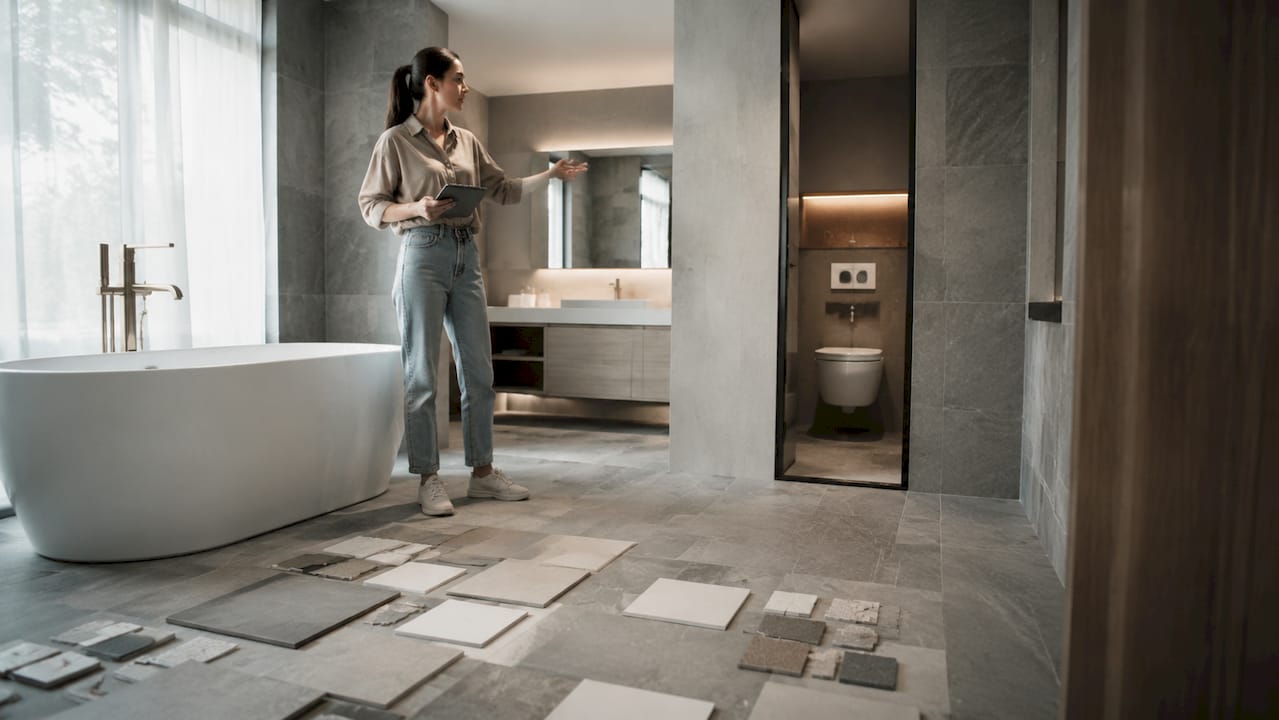
TL;DR:
Bathroom zoning divides the space into wet, semi-wet, and dry zones to enhance safety, functionality, and durability. Proper planning ensures correct material selection, drainage, and layout, preventing moisture damage and optimizing user comfort. Effective zoning also influences aesthetics and security, with non-structural techniques allowing flexible, visually distinct areas.
Bathroom zoning is defined as the practice of dividing a bathroom into distinct areas based on moisture exposure, typically a wet zone, a semi-wet zone, and a dry zone, to improve safety, functionality, and material longevity. This three-zone framework is the golden rule designers follow when planning any bathroom layout, from compact en-suites in Kensington to spacious family bathrooms in Chiswick. Get the zoning right from the start and everything else, from tile selection to lighting, falls into place naturally. Miss it, and you risk moisture damage, cramped movement, and a bathroom that simply does not work as well as it should.
What is bathroom zoning and how does it work?
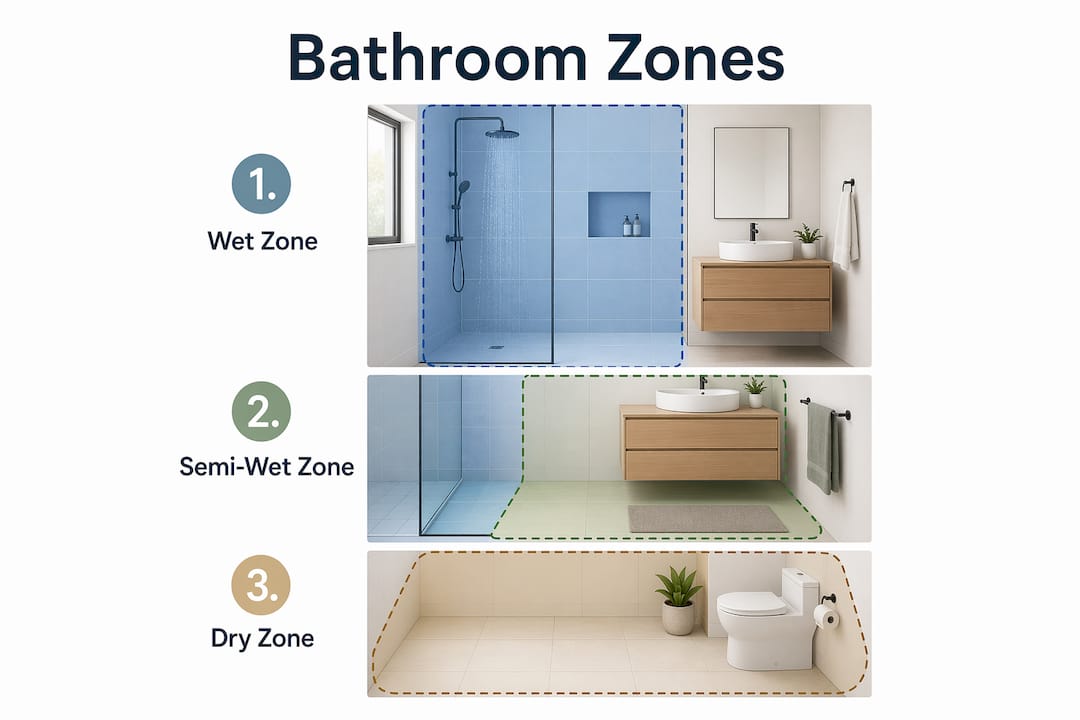
Bathroom zoning is the structured division of your bathroom into three functional areas: the wet zone, the semi-wet zone, and the dry zone. Each zone is defined by how much direct water contact it receives, and that distinction drives every decision about materials, fixtures, and finishes. Designers including Ana Jenkins of ABI Interiors and Soma Pillay of Bathroom City consistently apply this framework because it produces bathrooms that are both practical and durable. It is also the foundation for compliance with BS 7671, the UK wiring regulations that govern electrical safety in bathrooms.
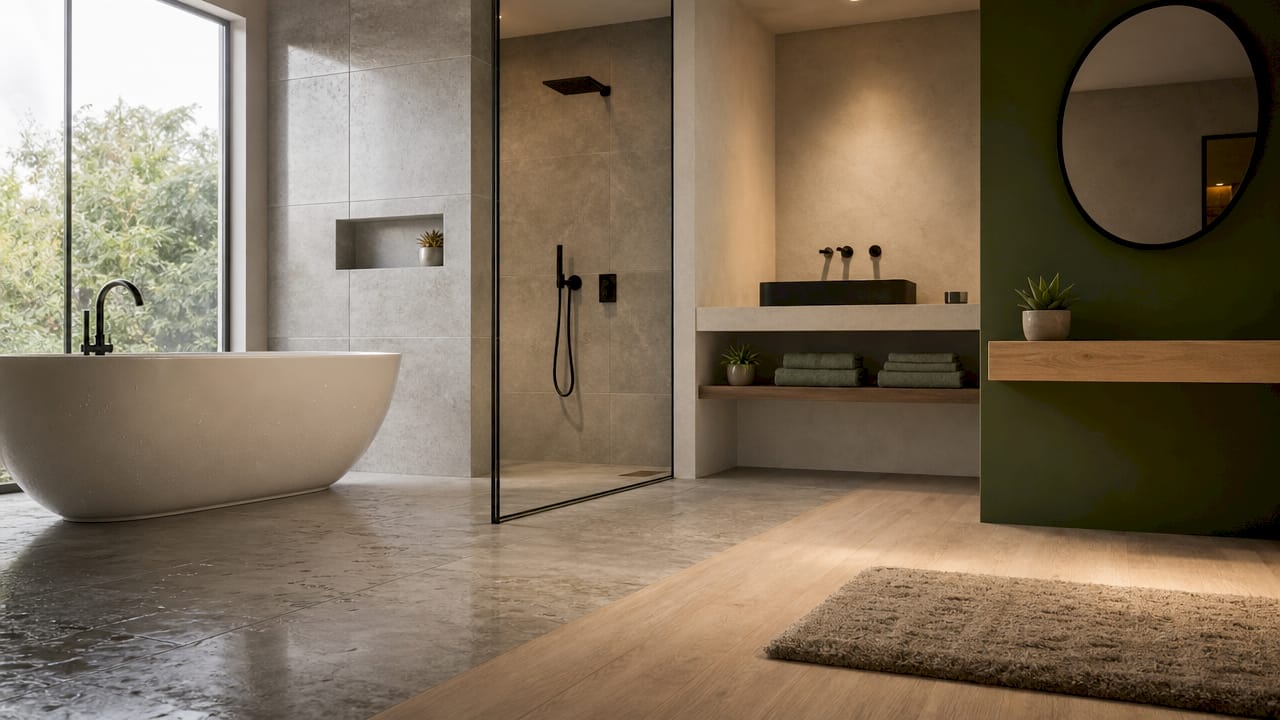
The wet zone covers the shower enclosure and bath area, where water contact is constant and direct. Surfaces here require fully waterproof finishes such as large-format porcelain tiles, wet-room grade tanking, or stone with appropriate sealing. The semi-wet zone typically includes the toilet and any transitional floor space between wet and dry areas, where splashing occurs but direct water flow does not. The dry zone sits closest to the door and houses the vanity unit, storage, and sometimes a freestanding mirror. This area uses standard finishes and benefits from good ventilation rather than waterproofing.
Understanding this structure helps you make smarter decisions at every stage of a renovation. When you know which zone a fixture belongs to, you can specify the right materials, plan drainage correctly, and avoid costly mistakes later.
What are the typical bathroom zones and their characteristics?
The table below summarises the three zones, the fixtures that belong in each, and the materials best suited to them.
Zone | Typical fixtures | Recommended finishes | Key consideration |
Wet zone | Shower, bath, wet-room floor | Fully waterproof tiles, tanking membrane | Requires drainage gradient and waterproof grout |
Semi-wet zone | Toilet, transitional floor area | Water-resistant tiles or vinyl | Needs splash protection and easy-clean surfaces |
Dry zone | Vanity, storage, mirror, towel rail | Painted walls, wood-effect finishes | Ventilation is the priority, not waterproofing |
The wet zone demands the most attention during a renovation. Moisture-resistant materials confine water to this area and prevent it from migrating into adjacent spaces, which is the primary cause of mould growth and structural damage in bathrooms. Porcelain tiles with a low water absorption rate, properly tanked shower walls, and sealed grout lines are non-negotiable here.
The semi-wet zone is often underestimated. Homeowners frequently treat it as an afterthought, using the same finishes as the dry zone, and then wonder why grout discolours or skirting boards warp within a few years. Specifying water-resistant materials throughout this transitional space adds very little cost but significantly extends the life of your bathroom.
The dry zone is where you have the most creative freedom. Painted feature walls, timber-effect cabinetry, and decorative lighting all work well here because moisture levels are low. This is also the zone that sets the visual tone for the entire room, so it rewards careful thought about colour, texture, and proportion.
Pro Tip: When specifying tiles for the semi-wet zone, choose a finish with a slip-resistance rating of R10 or above. It costs no more than a standard tile but reduces the risk of falls on wet feet.
Why is bathroom zoning important for safety, comfort, and longevity?
Proper zoning addresses three distinct problems at once: electrical hazard, physical discomfort, and material degradation. Each one has real consequences for homeowners who skip the planning stage.
On the electrical side, BS 7671 zones define where different types of electrical fittings can be installed based on their proximity to water. Zone 0 is inside the bath or shower itself, Zone 1 is directly above it, and Zone 2 extends 600mm beyond the shower enclosure. Fitting a standard light fitting inside Zone 1 is not just a code violation; it is a genuine safety risk. Getting your spatial zoning right from the outset makes electrical compliance straightforward rather than a retrofit problem.
Comfort depends heavily on clearance. Toilets require at least 550mm of clear space in front and 380mm on each side to feel comfortable in use. These are not arbitrary numbers. They reflect the minimum space a person needs to sit, stand, and move without feeling cramped. Ignoring these clearances is one of the most common mistakes in bathroom renovations, and it is almost impossible to fix without ripping out the floor and starting again.
The longevity argument is equally compelling. Wet and dry zoning prevents moisture migration that damages finishes and promotes mould growth, extending the bathroom’s lifespan considerably. The key benefits of proper zoning include:
Reduced mould and damp behind walls and under floors
Longer lifespan for cabinetry, paintwork, and flooring in the dry zone
Easier daily cleaning because each zone has appropriate surfaces
Compliance with UK building regulations and electrical codes
Improved resale value through a bathroom that looks and performs well over time
Pro Tip: The most common zoning mistake is placing the toilet as the first fixture visible on entry. Designers like Ana Jenkins recommend positioning the vanity or bathtub as the first focal point instead, which immediately improves the perceived quality of the space.
How can homeowners effectively zone their bathrooms?
Zoning does not always require walls, screens, or structural changes. Non-structural techniques such as contrasting tile patterns, paint colour changes, and lighting layers define areas clearly while keeping the room feeling open. This is particularly valuable in smaller bathrooms where every square metre counts.
Follow these steps to create effective zoning in your own bathroom:
Map your fixtures first. Decide where the shower, bath, toilet, and vanity will sit before you choose a single tile or fitting. The layout drives everything else.
Position the wet zone at the back. Placing the shower or bath at the far end of the room keeps the entry area dry and creates a natural progression from dry to wet as you move through the space.
Use tile contrast to signal zone changes. Switching from a large-format wall tile in the shower to a smaller mosaic or a different colour on the floor signals the transition to the semi-wet zone without any physical barrier.
Plan drainage gradients carefully. Floor drainage slopes must direct water towards the drain within the wet zone only. A gradient of 1:80 to 1:60 is standard. If water can run freely towards the dry zone, your zoning has failed at the most practical level.
Layer your lighting by zone. Use waterproof downlights rated IP65 or above in the wet zone, task lighting at the vanity mirror in the dry zone, and ambient lighting in between. This reinforces the zones visually and functionally.
Consider glass panels over solid walls. A frameless glass screen between the shower and the rest of the bathroom maintains the zone boundary without closing off the space, which is ideal for bathrooms under 5 square metres.
For a bathroom layout guide with practical examples of how these steps translate into finished designs, Tenenltd has published a detailed 2026 renovation reference.
Pro Tip: In small bathrooms, use the same large-format tile across the floor of both the wet and semi-wet zones, but switch to a contrasting wall tile in the shower enclosure. This creates visual zone definition while making the floor feel continuous and spacious.
How does bathroom zoning influence aesthetics and user experience?
Zoning connects directly to how a bathroom feels to use every day, not just how it looks in photographs. A well-zoned bathroom has a natural rhythm: you move from the door to the vanity, then to the shower or bath, and back again without awkward detours or cramped moments. That flow is the result of deliberate planning, not luck.
The “first view” principle is one of the most powerful tools in bathroom design. Practitioners prioritise ensuring the first sight on entry is the vanity or bathtub, never the toilet. This single decision shapes the psychological tone of the entire room. A beautiful freestanding bath or a well-lit vanity as your first impression signals quality and calm. A toilet does the opposite.
Materials and finishes reinforce zone identity in ways that go beyond function. Consider how these choices shape the experience:
Wet zone: Glossy or textured tiles reflect light and signal a high-moisture environment. Large-format porcelain in a stone effect adds a spa-like quality.
Semi-wet zone: Matt or satin finishes here reduce visual noise and create a calm transition between the active shower area and the quieter vanity space.
Dry zone: Warm timber tones in cabinetry, soft wall colours, and layered lighting make this area feel like a personal retreat rather than a utility room.
Lighting is the element most homeowners underinvest in. A single overhead fitting treats the entire bathroom as one undifferentiated space. Zone-specific lighting, by contrast, makes the shower feel invigorating, the vanity feel precise, and the overall room feel considered. Bailey Williams, a London-based interior designer, notes that lighting layers do more to define zones than any physical partition. For inspiration on how luxury bathroom ideas use lighting and materials to create this effect, the Tenenltd design blog offers a range of finished project examples.
Key takeaways
Effective bathroom zoning is the single most important planning decision you will make in a renovation, because it determines safety, material durability, and daily comfort in one framework.
Point | Details |
Define zones before fixtures | Map wet, semi-wet, and dry areas before choosing any fittings or finishes. |
Clearance prevents costly mistakes | Toilets need at least 550mm front clearance; ignoring this is nearly impossible to fix later. |
Drainage gradients are non-negotiable | Floor slopes must direct water to drains within the wet zone only to protect dry areas. |
Non-structural zoning works well | Contrasting tiles, paint, and lighting define zones without expensive structural changes. |
First view shapes perception | Position the vanity or bath as the first visible fixture on entry, never the toilet. |
Why I think homeowners underestimate zoning until it is too late
Having worked on bathroom renovations across Fulham, Chelsea, and Notting Hill for many years, I have seen the same pattern repeat itself. Homeowners spend weeks choosing tiles and taps, then make the layout decision in an afternoon. That is the wrong order entirely.
Zoning is not a design flourish. It is the structural logic that makes everything else work. When a client comes to us six months after a renovation complaining about mould behind the shower wall or a toilet that feels impossibly cramped, the root cause is almost always a zoning decision that was never properly made. The fix is expensive and disruptive. The original planning conversation would have taken twenty minutes.
What I find genuinely exciting about bathroom design in 2026 is how much you can achieve without building work. Contrasting tile formats, frameless glass, and zone-specific lighting can transform a modest bathroom into something that feels genuinely considered, and none of it requires knocking down a wall. The constraint of a small space often produces the most creative results when zoning principles are applied thoughtfully.
My honest advice: treat zoning as the first decision, not the last. Sketch your three zones on paper before you open a single tile catalogue. If you get that right, the rest of the renovation becomes a series of enjoyable choices rather than a series of compromises.
— Mateja
Transform your bathroom with expert zoning from Tenenltd
Tenenltd has been designing and building bathrooms across West and Central London since 2006, and zoning is at the heart of every project we take on. Whether you are planning a full refurbishment in Kensington or a focused renovation in Hammersmith, our team applies the same principles of safety, flow, and material integrity to every layout. We handle everything from initial zone planning and drainage design through to tiling, electrical compliance, and finishing. If you want a bathroom that works as well as it looks, explore our bathroom renovation services or speak to us about a full bathroom refurbishment tailored to your home.
FAQ
What is the difference between wet and dry zones in a bathroom?
The wet zone covers the shower and bath where direct water contact is constant, requiring fully waterproof finishes and proper drainage. The dry zone houses the vanity and storage near the door, where standard finishes and good ventilation are sufficient.
Do I need to follow zoning regulations for my bathroom in the UK?
Yes. BS 7671 defines electrical zones within bathrooms that determine which fittings can be installed at specific distances from water sources. These regulations apply to all UK bathroom renovations and affect fixture placement, IP ratings, and wiring routes.
Can I zone a small bathroom without structural changes?
Non-structural techniques including contrasting tile patterns, paint colour changes, glass panels, and layered lighting define zones clearly without any building work, making them ideal for compact bathrooms.
How does bathroom zoning affect resale value?
A properly zoned bathroom lasts longer, looks better, and passes building regulation checks more easily, all of which contribute positively to a property’s value. Buyers and surveyors notice the difference between a bathroom that has been planned and one that has not.
Where should the toilet be positioned in a zoned bathroom?
The toilet belongs in the semi-wet zone, positioned away from the entry point so it is not the first fixture visible on entering the room. Designers recommend placing the vanity or bathtub as the focal point on entry to improve both aesthetics and the perceived quality of the space.
Recommended
Comments