
Why home extensions in London boost space and value

TL;DR:
Home extensions in London offer extra space, increased property value, and avoidance of moving costs.
They are typically more affordable and less disruptive than relocating, with shorter timelines.
Proper planning, local authority permissions, and flexible design maximize long-term home value and functionality.
Many West London homeowners assume that when their home no longer fits their lifestyle, moving is the only answer. But with London’s property prices continuing to rise, uprooting your family, paying stamp duty, and starting from scratch somewhere new is rarely the straightforward solution it seems. A well-planned home extension offers something far more exciting: the chance to breathe new life into the home you already love, gain the space you genuinely need, and add lasting value to your property, all without leaving the neighbourhood you’ve built your life in.
Table of Contents
Key Takeaways
Point | Details |
Adds significant value | A well-planned extension can increase a West London property’s value by up to 25%. |
Stay in your neighbourhood | Extending enables you to enjoy more space without the hassle of relocating. |
Custom suits your needs | Extensions allow you to tailor extra space to your family’s unique requirements. |
Understand regulations | Planning permissions or permitted development rules apply to most London extension projects. |
Expert help is vital | Working with experienced local professionals ensures compliance and high standards. |
The core benefits of home extensions in London
Having introduced the concept, let’s explore the primary reasons Londoners choose home extensions over moving.
The most immediate benefit is straightforward: more space. Whether you need an open-plan kitchen-dining area, an extra bedroom, or a dedicated home office, an extension gives you the freedom to design a room that works precisely for your life. You’re not adapting to someone else’s floorplan. You’re creating your own.
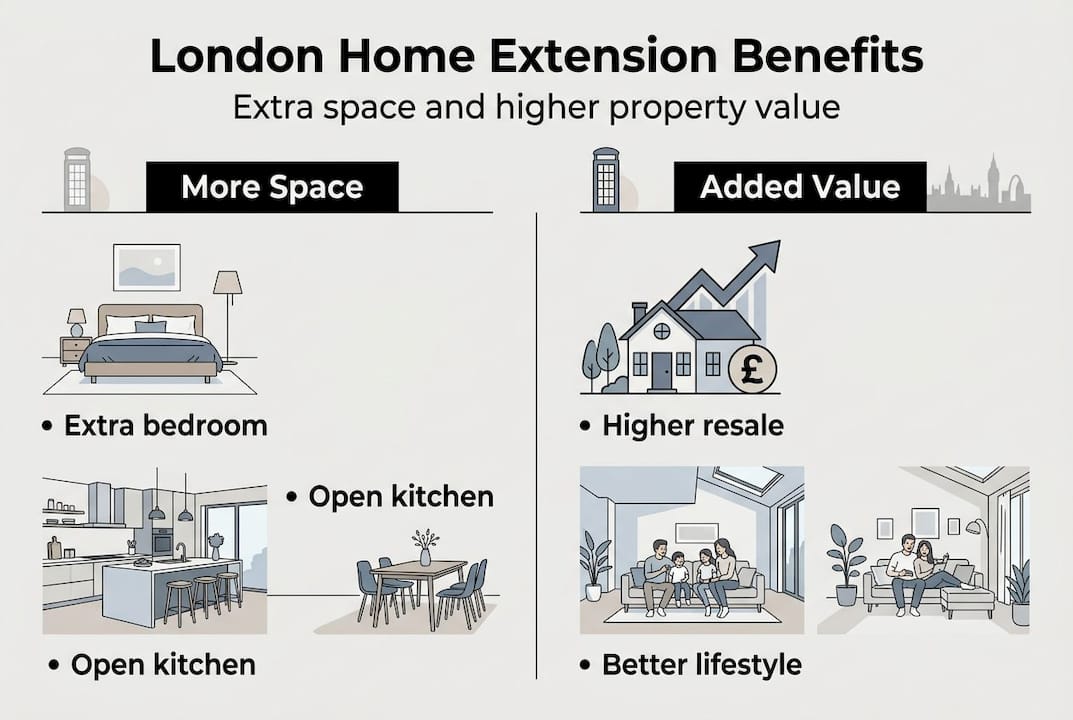
Beyond space, the financial case is compelling. Home extensions can boost property value by as much as 25%, making them one of the highest-returning home improvements available to London homeowners. In areas like Kensington, Fulham, and Notting Hill, where property values are already strong, that uplift can represent a very significant sum.
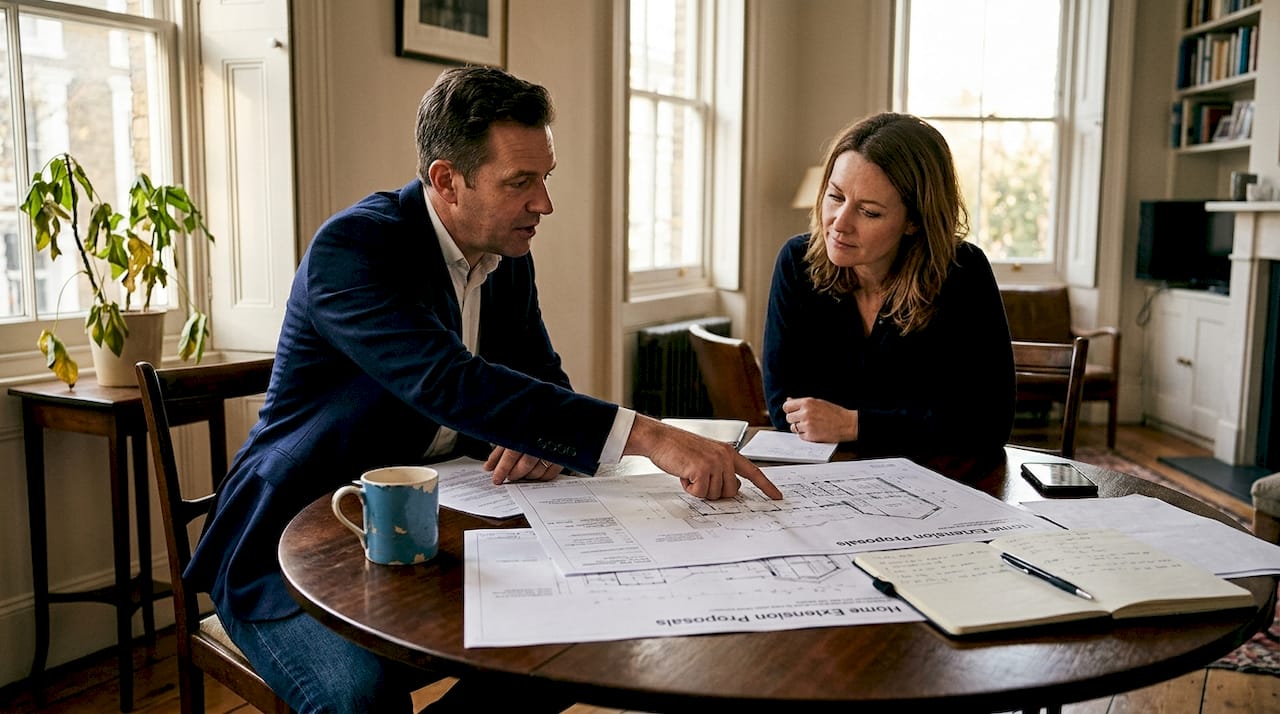
The benefits of home extension also extend well beyond money. Families enjoy improved day-to-day functionality. Households gain rooms that serve real purposes rather than cluttered compromises. And because you stay in your current home, you avoid the emotional toll and logistical upheaval that moving always brings.
Here’s a quick comparison to put things in perspective:
Factor | Home extension | Moving home |
Cost | £50,000–£150,000+ | £30,000–£80,000+ in fees alone |
Disruption | Temporary, manageable | Full household relocation |
Customisation | Fully tailored to your needs | Limited to existing property |
Value impact | Up to 25% increase | Depends on market |
Timeline | 3–6 months | 6–18 months |
Some of the most popular extension features among West London homeowners include:
Open-plan kitchen and dining areas that create social, light-filled living spaces
Additional bedrooms to accommodate growing families or guests
Home offices that offer privacy and productivity without renting external space
Garden rooms or orangeries that blur the boundary between inside and outside
Utility and storage rooms that restore order to the rest of the home
Pro Tip: If you’re weighing up expanding versus relocating, factor in not just the financial cost but the emotional cost of leaving your community, schools, and routines behind. That calculation often tips firmly in favour of extending.
“The best home extensions don’t just add square metres. They transform how a family lives, every single day.”
Typical motivations for extending your London home
Beyond core benefits, motivations for extending vary widely among homeowners, and understanding yours helps shape the right project.
Home extensions are driven by changing family needs, remote working, and rising property values, all of which have become defining features of West London life in recent years. The motivations we hear most often from homeowners fall into a clear pattern.
Growing families needing extra bedrooms, playrooms, or homework spaces. Children grow fast, and so do their spatial needs.
Remote working demanding a proper home office. A dedicated workspace improves focus and keeps professional life separate from personal life.
Open-plan living as a lifestyle upgrade. Many older London homes were built with small, separate rooms. Knocking through to create a flowing kitchen-dining space transforms everyday living.
Multigenerational living becoming more common. An annexe or ground-floor bedroom suite can allow elderly parents or returning adult children to live comfortably under one roof.
Increasing rental income by adding a self-contained room or studio that generates yield from the existing property.
The desire to stay in a preferred location is equally powerful. West London neighbourhoods carry real emotional value. Schools, friends, commutes, and familiar streets all matter. Many homeowners tell us they would move only if they absolutely had to, and an extension removes that necessity entirely.
According to Zoopla, extension value on Zoopla confirms that well-executed projects consistently add measurable value in most London postcodes, reinforcing the financial wisdom behind the decision.
Exploring the range of extension types in West London available to you is a worthwhile early step. Rear extensions, side returns, wrap-arounds, and over-garage builds all serve different needs and budgets.
Pro Tip: Before committing to a specific type of extension, spend a week noting exactly how you use your home. Which rooms feel cramped? Where do people congregate? What space is wasted? Your daily habits will reveal the most impactful solution.
“An extension built around how you actually live will always outperform one built around how you think you should live.”
Comparing home extensions with moving home
Given these motivations, it’s worth taking a clear-eyed look at extending versus moving, so you can make the best decision for your household.
Extending is typically more affordable than relocating, especially given London’s high property prices and stamp duty. When you factor in estate agent fees, solicitor costs, removal expenses, and stamp duty, the bill for moving can easily reach £60,000 to £80,000 before you’ve touched a single wall. A well-priced extension, by contrast, gives you a tangible physical asset rather than a collection of transaction costs.
For a full London extension cost breakdown, including what drives pricing in different boroughs, it’s worth understanding the key variables before budgeting.
Here’s how the two options compare across key practical factors:
Consideration | Extending | Moving |
Stamp duty | None | Up to 5% of purchase price |
Agent and legal fees | Minimal | £15,000–£30,000 |
Your chosen neighbourhood | Preserved | Potentially compromised |
School catchment area | Unchanged | At risk |
Timeline to completion | 3–6 months | Often 12–18 months |
The disruption argument also favours extending. Yes, construction is noisy and temporarily inconvenient. But it is finite and contained. Moving, by contrast, means months of viewings, offers, chains, and uncertainty, followed by the upheaval of physically relocating your entire household.
Extensions preserve your children’s school places and social networks
You know your neighbours and your area’s quirks
Your commute stays the same, a significant advantage in London
You retain emotional connection to a home you’ve already invested in
The cost of moving house is frequently underestimated until it’s too late. Getting clear on those figures early makes the extension option look not just practical, but genuinely smart.
Understanding the process and planning permissions
Once you’ve decided extending is right for you, understanding the process and permissions becomes essential before any work begins.
Local planning regulations in London may require formal planning permissions depending on the scale and type of your extension. Navigating this correctly from the start saves considerable time, money, and stress.
The typical journey through a home extension project follows these key stages:
Design and brief: Work with an architect or design team to create detailed drawings that reflect your needs and comply with local guidelines
Planning application: Submit your application to the local authority, or confirm whether your project qualifies as permitted development
Contractor selection: Choose a reputable builder with proven local experience, strong references, and clear contractual terms
Build programme: Agree a realistic schedule with your contractor, including key milestones and contingency allowances
Sign-off and completion: Ensure building regulations sign-off is obtained at the end, which is essential for any future property sale
Permitted development rights allow some smaller extensions to proceed without a formal planning application. However, the rules are specific and vary across London boroughs. Conservation areas, listed buildings, and properties in areas like Kensington and Chelsea often face tighter restrictions under the London planning framework.
Working with a contractor who understands local authority nuances is genuinely valuable here. Pre-application consultations, where you discuss your proposal informally with planners before submitting, can save weeks of revision later.
Pro Tip: Before you plan a London extension, check your local authority’s planning portal for recently approved projects on similar properties nearby. Approved precedents in your street or postcode can significantly strengthen your own application.
What most experts miss about home extensions in London
Having covered the practicalities, here is a perspective from professionals who deliver these projects daily across West London.
Most guides focus on square footage and return on investment. Those numbers matter, but they miss something important. The homeowners who get the most from their extensions are those who plan for flexibility, not just for today. A spare bedroom designed with an en-suite and separate entrance becomes a rental asset, a space for ageing parents, or a teenage retreat as life changes. That kind of functional adaptability rarely makes it into property reports, but it shapes how much you’ll value the space over ten or twenty years.
We’ve also seen how local expertise changes outcomes. Navigating the specific planning sensitivities of Hammersmith and Fulham is genuinely different from doing so in Chiswick or Chelsea. A contractor without that local knowledge can cost you months in avoidable rejections. The hidden extension benefits that experienced teams deliver, from pre-application intelligence to build quality that satisfies building control first time, are rarely visible on a quote sheet but are always felt in the finished result.
How Tenen can help with your London home extension
If you’re inspired to extend your West London home, professional expertise makes the entire process more rewarding and far less stressful.
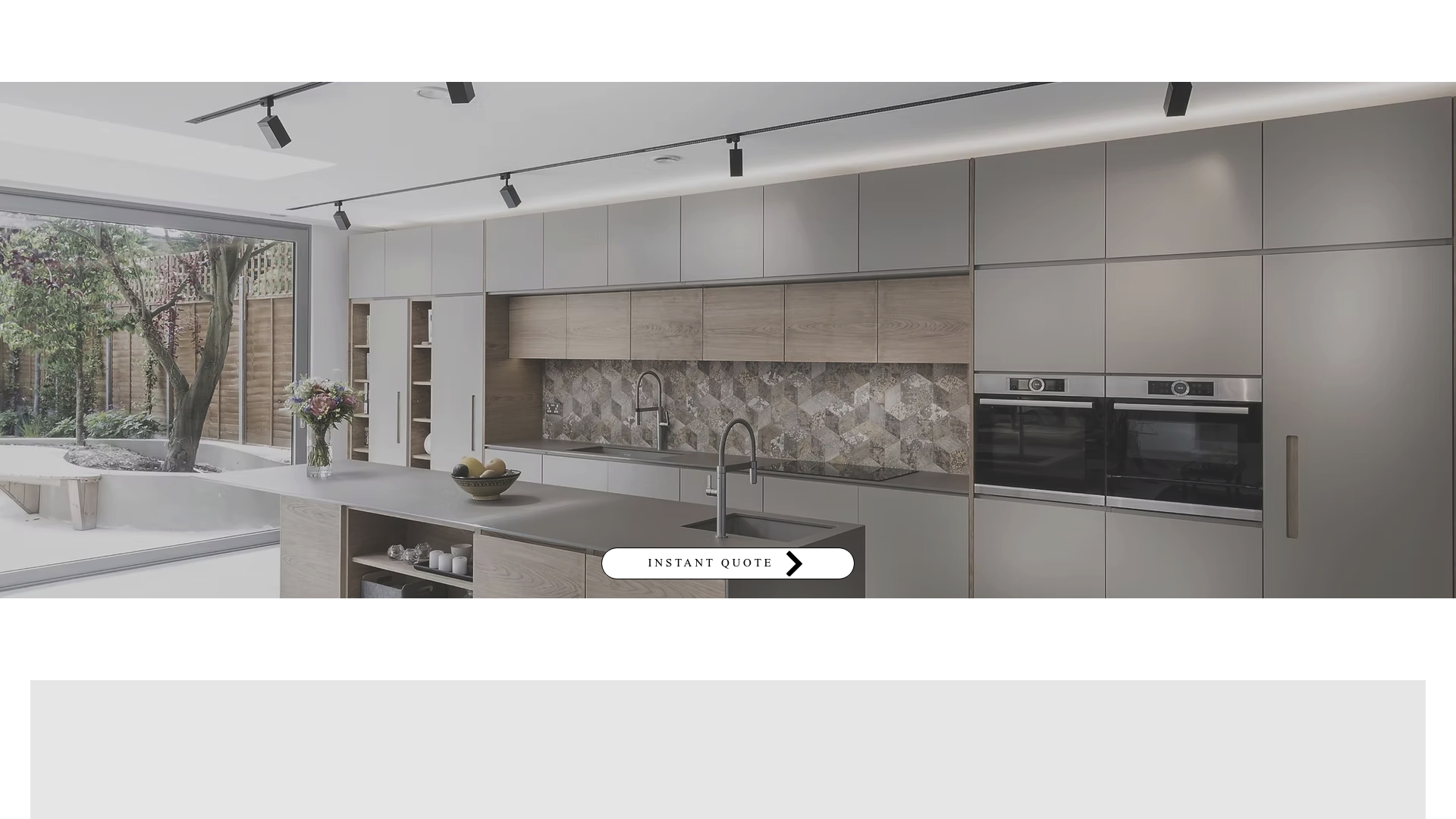
Tenen Ltd has been delivering high-quality home extensions and refurbishments across West and Central London since 2006. We bring genuine local knowledge, a trusted network of specialists, and a client-first approach to every project. Whether you’re considering a rear extension in Fulham, a wrap-around in Chiswick, or exploring London loft conversions as part of a broader scheme, our team guides you from initial idea through to completed build. Browse our home extension services to see the full range of what we offer, or get in touch for a bespoke consultation tailored to your property and ambitions.
Frequently asked questions
How much does a typical home extension cost in London?
Most extensions in London cost between £1,800 and £3,000 per square metre, depending on specification, materials, and location within the city.
Do I always need planning permission for a home extension in London?
Not always. Some smaller projects qualify as permitted development, but most London extensions require proper planning permissions, particularly in conservation areas and tightly regulated boroughs.
Will a home extension really add value to my property?
Yes. Well-designed extensions in London regularly boost property value by up to 25%, making them one of the most financially sound investments available to homeowners.
How long does a typical home extension project take?
From planning and design through to build and completion, most standard extensions take between 3 and 6 months, though more complex projects may require additional time.
Recommended
Comments