
Plumbing upgrade ideas for your home renovation
TL;DR:
Upgrading plumbing fixtures, pipe materials, and adding smart technology can reduce costs and improve home durability. Replacing high-efficiency toilets and WaterSense showerheads lowers water bills, while choosing PEX piping offers cost-effective and reliable long-term performance. Timing renovations to address pipes and venting prevents costly future repairs and enhances overall system efficiency.
Plumbing upgrade ideas cover a broad category of improvements, from replacing fixtures and pipe materials to installing smart water technology. High-efficiency toilets reduce water consumption by 20–60% compared to older models. Tankless water heaters deliver 24–34% energy savings for households using under 41 gallons daily. These figures show that the right plumbing choices do more than refresh a room. They cut running costs, protect your property, and add lasting value. Whether you are planning a full bathroom refurbishment or a kitchen refit, the upgrades you choose now will shape how your home performs for years to come.
1. What are the best plumbing upgrade ideas for fixtures?
Fixtures are the most visible part of any bathroom or kitchen plumbing improvement. Replacing them produces an immediate change in both appearance and performance.
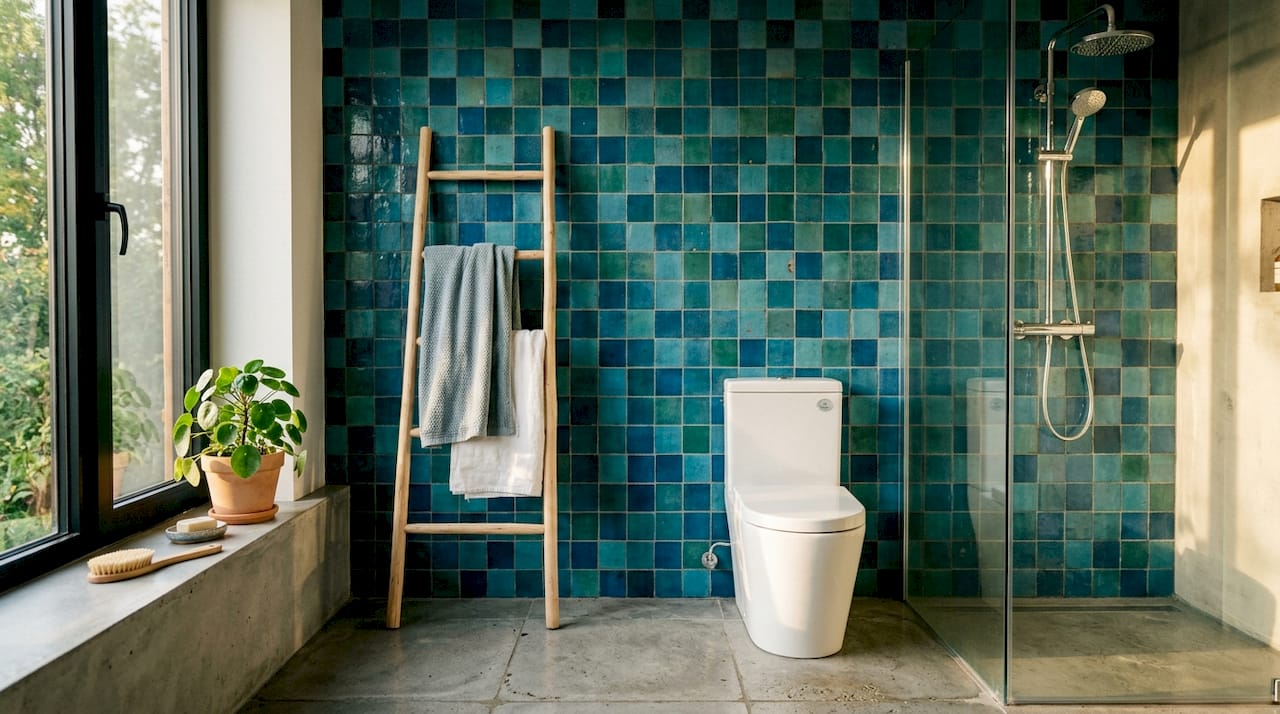
High-efficiency toilets are one of the highest-impact upgrades available. Older toilets use 3.5–7 gallons per flush, while modern high-efficiency models use 1.28 gallons per flush or less. That reduction translates directly into lower water bills every month.
WaterSense-certified showerheads deliver a satisfying shower at 2.0 gallons per minute or less, compared to older models running at 2.5–5.0 gpm. The WaterSense label, issued under the US Environmental Protection Agency programme, is a reliable quality benchmark recognised internationally. Fitting one takes under an hour and requires no specialist tools.
Modern kitchen faucets with ceramic disc valves outlast older rubber-washer designs by a considerable margin. Pull-down spray heads add practical function for washing produce and rinsing the sink. A quality kitchen faucet upgrade costs between £80 and £300 and noticeably improves daily use.
When upgrading any fixture, always replace the angle stop valves and supply lines at the same time. These components are inexpensive, but replacing them proactively prevents leaks after new finishes are installed. Leaving old valves in place behind fresh tiles is a common and costly mistake.
High-efficiency toilets: £100–£500 plus installation; 20–60% water saving
WaterSense showerheads: £30–£120; easy DIY or professional fit
Ceramic disc kitchen faucets: £80–£300; long service life
Angle stop valves and supply lines: low cost; replace during every fixture upgrade
Pro Tip: Always check the rough-in measurement of your existing toilet before purchasing a replacement. Standard UK rough-in is typically 200mm from the wall to the drain centre. Getting this wrong means returning the unit and delaying your project.
2. How pipe materials affect long-term reliability and cost
Choosing the right pipe material is one of the most consequential decisions in any plumbing renovation. The material affects durability, installation cost, and how the system performs over decades.
PEX piping is now the preferred choice for modern residential supply lines. It is flexible, resistant to freeze damage, and significantly cheaper to install than copper. PEX can be run in long continuous lengths, which reduces the number of joints and therefore the number of potential leak points.
Copper pipe remains the premium option. It is durable, bacteriostatic, and has a proven track record spanning over a century. The trade-off is cost. Copper is more expensive to purchase and requires skilled soldering to install correctly. For high-end refurbishments in areas like Chelsea or Kensington, copper is often specified for its longevity and prestige.
Layout decisions matter as much as material choice. Stacking bathrooms on multiple floors to share vertical drainage stacks can save £2,000–£5,000 in construction costs. That saving comes from shorter pipe runs, fewer fittings, and reduced labour time. Planning your layout with this principle in mind pays dividends before a single pipe is cut.
PEX: flexible, freeze-resistant, cost-effective, fewer joints
Copper: durable, premium, higher material and labour cost
Layout stacking: saves £2,000–£5,000 by sharing vertical stacks
Avoid unnecessary pipe runs: shorter routes mean fewer failure points
Pro Tip: If your renovation exposes existing pipework, replace it. Aged pipes hidden behind new tiles or plasterboard are the leading cause of expensive water damage claims. The cost of new pipe during a remodel is a fraction of what remedial work costs later.
3. Which smart and eco-friendly plumbing technologies are worth it?
Smart plumbing technology has moved from luxury to practical investment. The most useful additions focus on preventing damage, reducing waste, and improving daily comfort.
Smart leak detection systems are the single most protective upgrade you can install. Premium systems provide real-time alerts to your phone and automatically shut off the water supply during a catastrophic leak. A burst pipe in a London property can cause tens of thousands of pounds in damage. A leak detector costing a few hundred pounds makes that risk manageable.
Tankless water heaters (also called combination boilers or combi boilers in the UK context) heat water on demand rather than storing it in a tank. For households using under 41 gallons of hot water daily, they deliver energy savings of 24–34% compared to traditional tank models. They also free up valuable airing cupboard space.
Water softeners are particularly relevant in London and the South East, where hard water is the norm. Hard water causes limescale build-up in pipes, boilers, and appliances, shortening their service life. A softener protects your entire plumbing investment.
Touchless taps in kitchens and bathrooms reduce cross-contamination and are increasingly popular in family homes. They also reduce water waste from taps left running.
The best eco-friendly plumbing options pay for themselves over time. A smart leak detector, a WaterSense showerhead, and a water softener together address the three biggest sources of plumbing-related cost in a London home: catastrophic damage, excessive consumption, and appliance degradation.
4. What practical steps produce the best renovation results?
Good planning before work begins separates a smooth plumbing renovation from an expensive one. These steps apply whether you are upgrading a single bathroom or refitting an entire property.
Confirm rough-in measurements before purchasing fixtures. Accurate rough-in measurements prevent costly rework and delays. Measure the distance from the finished wall to the drain centre for toilets, and from the floor to the supply connections for basins and baths.
Obtain the necessary permits and comply with local building codes. Local building codes regulate pipe sizes, venting requirements, and installation standards. Compliance protects your safety and maintains your property’s resale value. Non-compliant work can invalidate home insurance.
Replace multi-turn valves with quarter-turn shutoff valves. Quarter-turn valves shut off water instantly in an emergency. Multi-turn valves, common in older properties, can seize with age and fail precisely when you need them most.
Plan venting carefully. Neglecting venting leads to slow drains and sewer gas entering the home. Every drain requires adequate venting to maintain the water seal in traps. This is one of the most commonly overlooked aspects of a bathroom plumbing improvement.
Schedule waterproofing and leak testing before closing walls. Once tiles and plasterboard are in place, accessing pipework becomes destructive and expensive. Test every joint under pressure and apply tanking membrane to wet areas before any surface finish goes on.
Pro Tip: Plan your plumbing layout to group fixtures as close together as possible. Shorter pipe runs reduce material costs, heat loss in hot water lines, and the time it takes for hot water to reach the tap.
The role of plumbing in renovations is often underestimated until something goes wrong. Treating it as a core part of your renovation plan, rather than an afterthought, is what separates a lasting result from a recurring headache.
Key takeaways
The most effective plumbing upgrades combine efficient fixtures, quality pipe materials, and smart technology to reduce costs and protect your property long-term.
Point | Details |
Fixture upgrades deliver fast returns | High-efficiency toilets and WaterSense showerheads cut water use by up to 60% and 2.0 gpm respectively. |
PEX pipe suits most modern renovations | PEX is flexible, freeze-resistant, and cheaper to install than copper, making it the practical default. |
Layout planning saves thousands | Stacking bathrooms on shared vertical stacks can reduce construction costs by £2,000–£5,000. |
Smart leak detection prevents major damage | Automatic shutoff systems protect against catastrophic water damage for a modest upfront cost. |
Replace valves and lines proactively | Fitting new angle stop valves and supply lines during a remodel costs little and prevents future failures. |
What I have learned about plumbing upgrades after years of renovations
After working on refurbishments across West and Central London, one pattern stands out clearly. Homeowners who prioritise reliability over visual trends end up with better results, every time.
The fixtures that photograph well in a showroom are not always the ones that perform well after five years of daily use. Ceramic disc valves, quarter-turn shutoffs, and WaterSense-certified fittings are not glamorous choices. They are, however, the choices that do not cause problems at 11pm on a Sunday.
The other lesson I keep returning to is timing. Plumbing improvements made during a renovation cost a fraction of what they cost when done in isolation. Exposing a wall to fit a new radiator? Replace the pipework behind it. Retiling a bathroom? Fit new supply lines and valves before the tiles go on. Renovation is the best time to address hidden pipes, and the cost of doing so is almost always lower than you expect.
Venting is the detail most homeowners never think about until they have slow drains and an unpleasant smell. Get it right at the planning stage and you will never think about it again.
Choose fixtures that suit how you actually live, not how you imagine you might live. A touchless tap is genuinely useful in a busy family kitchen. A rainfall showerhead is a pleasure if you have the water pressure to support it. Match the upgrade to the lifestyle, and leave room for future adaptability.
— Mateja
How Tenenltd approaches plumbing renovations in London
Tenenltd has been delivering bathroom and kitchen refurbishments across West and Central London since 2006. Every project includes full plumbing rough-in, fixture installation, and compliance with current building regulations.
Whether you are upgrading a single bathroom in Fulham or refitting an entire property in Kensington, Tenenltd manages the plumbing alongside all other trades. That means no coordination gaps between your plumber, tiler, and carpenter. You get one team, one point of contact, and a finished result that meets the standards discerning London homeowners expect. Speak to Tenenltd about your property refurbishment to get a clear plan and an honest quote.
FAQ
What are the most cost-effective plumbing upgrades for a bathroom?
WaterSense-certified showerheads and high-efficiency toilets deliver the strongest return for the cost. Both reduce water consumption significantly and can be installed without major structural work.
Is PEX or copper pipe better for a home renovation?
PEX is the practical choice for most residential renovations due to its lower cost, flexibility, and freeze resistance. Copper is preferred where longevity and premium specification are the priority.
Do I need a permit for plumbing work in the UK?
Most plumbing work in the UK must comply with Building Regulations, particularly for new installations and significant alterations. A qualified plumber working under a competent person scheme can self-certify compliant work without a separate permit application.
How does a smart leak detector protect my home?
Smart leak detectors monitor water flow continuously and automatically shut off the supply when an abnormal flow pattern is detected. This prevents the extensive water damage that a burst pipe or failed fitting can cause.
When should I replace old pipes during a renovation?
Replace exposed pipework whenever a renovation gives you access to it. Aged pipes hidden behind new finishes are a leading cause of expensive remedial work, and the cost of replacement during a remodel is far lower than addressing a failure after completion.
Recommended
Comments