
Modern home decor trends for UK homes in 2026
- luka bursac
- Aug 9
- 15 min read
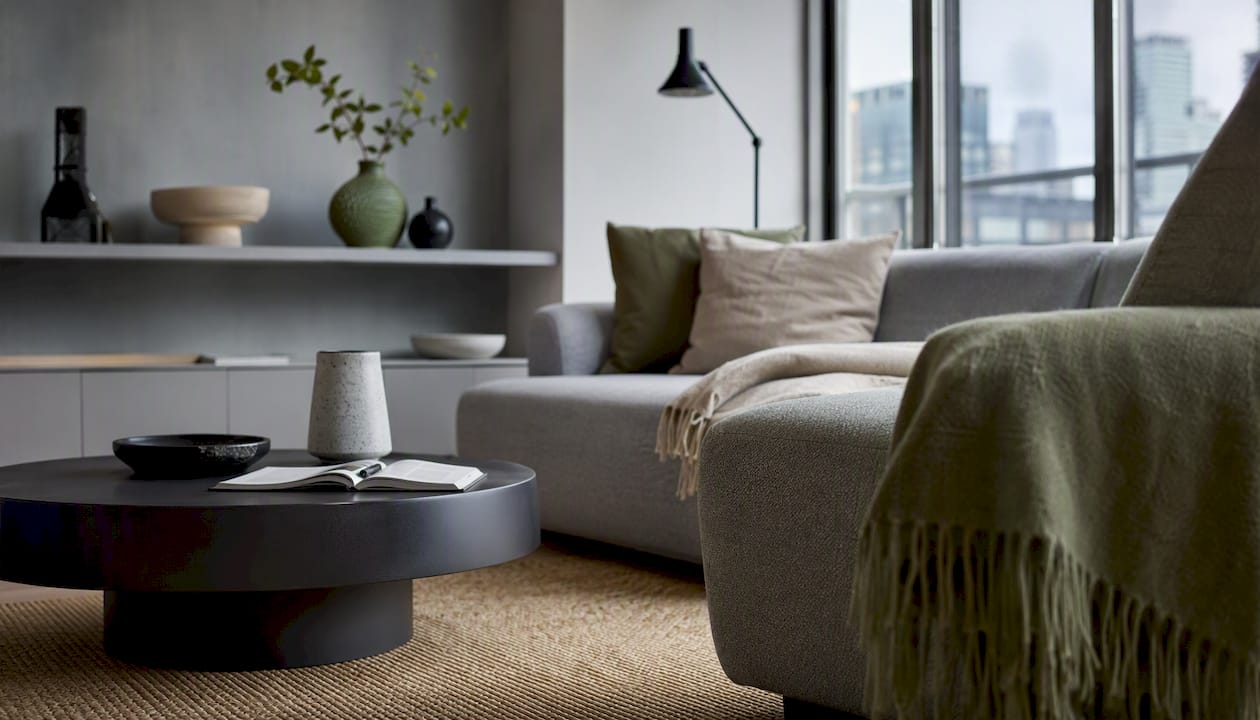
The headline trends shaping UK interiors right now are warmer tonal palettes, sculptural curved furniture, tactile woven materials, bouclé and slubby linens, small-scale mosaic tiles, biophilic indoor–outdoor connections, and expressive glass and metal lighting. Most of these are styling changes you can make without a builder. A handful, including structural openings for indoor–outdoor flow, extensive retiling, rewiring for new lighting circuits, and bespoke joinery, need a qualified contractor.
Here is the shortlist at a glance:
Warmer neutrals and colour drenching — styling change
Sculptural and curved furniture — styling change (bespoke pieces may need joinery)
Woven rattan, cane and midollino — styling change
Bouclé and slubby linen textiles — styling change
Small-scale mosaic and painted tiles — small trades (specialist tiler)
Biophilic plants and living walls — styling to small trades
Sculptural glass and softened metal lighting — electrician needed for new circuits
Handcrafted, curated accessories — styling change
Smart lighting integration — electrician needed
Sustainable and high-performance materials — varies by scope
Key takeaways
The most durable approach to 2026 home decor is to invest in structure and surfaces first, then layer styling changes on top — prioritising craft, longevity, and personal meaning over trend-driven impulse purchases.
Point | Details |
Colour is moving warmer | Dusty blues, warm browns, and tonal neutrals are replacing cool grey; test colours in your actual light before committing. |
Tactile materials define the moment | Wood, woven rattan, bouclé, and hand-blown glass carry the most design impact and age well with proper care. |
Sculptural furniture anchors a room | One well-chosen curved or expressive piece delivers more impact than several mid-range linear alternatives. |
Structural changes need qualified trades | Tiling, rewiring, openings, and joinery require certified contractors; budget a 15% contingency for London properties. |
Tenenltd for West and Central London projects | Tenenltd delivers full refurbishments, extensions, loft conversions, and kitchen and bathroom renovations with director oversight. |
Table of Contents
1. Colour palettes for 2026: what is replacing grey in UK homes
2. Materials and finishes: wood, weaving, metal, and glass lead the way
3. Furniture shapes and silhouettes: sculptural curves and statement pieces
4. Textiles, patterns, and surfaces: bouclé, slubby linen, mosaics, and small prints
5. Biophilic and indoor–outdoor design: bringing nature inside practically
6. Lighting and accents: sculptural glass and softened metal as focal details
7. Smart home integration and its effect on modern interiors
8. Sustainable and eco-friendly decor: materials, certifications, and sourcing
9. Artwork and decorative accessories: contemporary wall art and curated objects
11. How to adopt these trends in your home: a phased starter plan
12. When trends mean renovation: timelines and cost bands from a London contractor
What actually ages well: a perspective on picking trends wisely
Tenenltd: professional support for trend-led renovation in West and Central London
1. Colour palettes for 2026: what is replacing grey in UK homes
Cool grey has dominated British interiors for well over a decade. House & Garden’s 2026 trend coverage identifies warmer neutrals, dusty blues, and richer browns as the palette moves now displacing it. The shift is not about bold colour for its own sake. It is about warmth, texture, and a sense of lived-in comfort that cool grey simply cannot deliver.
The drivers are worth understanding. Industry research frames 2026 as a year of intentional design, with homeowners gravitating toward biophilic connections, quiet luxury, and palettes that feel grounded rather than clinical. Dusty powder blues, warm greige, terracotta-adjacent browns, and deep tonal ochres are all gaining ground.
Practical palette guidance for UK homes:
Test in your actual light. North-facing rooms in London or Edinburgh read colours very differently from south-facing ones. Paint a large A3 swatch and observe it at 9am, midday, and 4pm before committing.
Colour drenching works best in smaller rooms. Taking walls, ceiling, and woodwork in the same tone (or close variants) makes a compact room feel intentional rather than cramped.
Warm neutrals pair well with natural timber floors and aged brass or unlacquered bronze hardware, which are both widely available on the UK high street.
Dusty blues read differently on plaster versus paper. A limewash or clay paint finish adds depth that flat emulsion cannot replicate.
Pro Tip: When balancing a strong colour drench, keep your largest metal accent (door handles, tap fittings, light switches) in a single warm finish throughout the room. Mixing brass, chrome, and black in one space fragments the palette and undermines the effect.
For more on applying these ideas to London properties specifically, decorating tips for London homes in 2026 covers light-level considerations in detail.
2. Materials and finishes: wood, weaving, metal, and glass lead the way
Architectural Digest’s editors at Milan Design Week 2026 documented weaving used as a structural design logic, a sustained prominence of wood across product categories, metal deployed in softer sculptural roles, and blown and recycled glass reinterpreted as a language of light and craft. These are not passing novelties. They represent a broader shift toward materials that carry tactile, emotional weight.
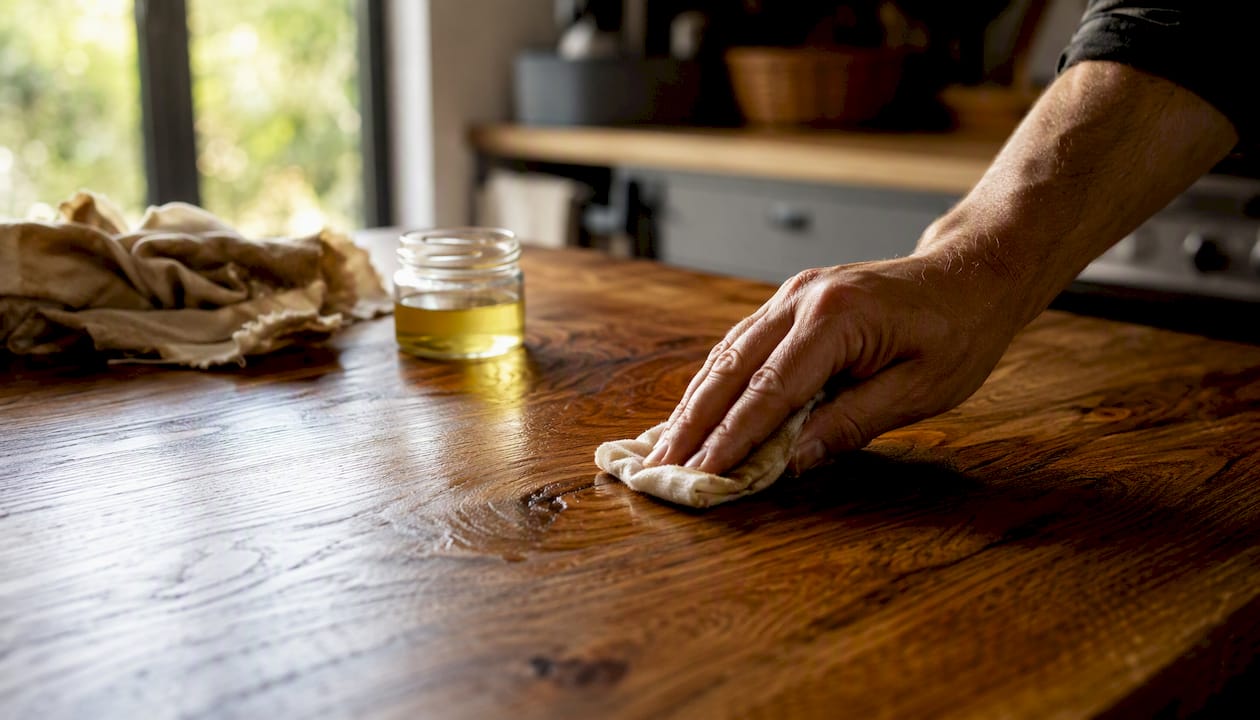
Wood is the anchor material. Reissued mid-century pieces in walnut and oak sit alongside new designs in ash and beech. The appeal is warmth and grain variation — qualities that age well and improve with care. For maintenance, treat solid timber furniture annually with a food-safe oil (Danish oil or hard wax oil work well on most species) and keep pieces away from direct radiator heat, which is a particular concern in older London properties with cast-iron systems.
Woven fibres — rattan, cane, midollino — are being used structurally in chair backs, cabinet fronts, and room dividers, not just as surface decoration. Midollino in particular appeared across multiple Milan showrooms as a fine, flexible weave that reads more refined than traditional rattan. UK stockists including Lombok and Heal’s carry woven dining chairs; independent makers on Etsy and Folksy offer bespoke commissions.
Softened metals (brushed brass, aged bronze, pewter-toned steel) replace the hard polished chrome of the previous decade. Protect brushed brass fittings with a light wax rather than abrasive cleaners, which strip the finish. Hand-blown and recycled glass appears in pendant lights, vases, and occasional tables — each piece slightly different, which is precisely the point.
Practical product types to look for:
Reissued walnut or oak dining chairs (Ercol, Vitra, or independent makers)
Woven rattan or midollino dining chairs and cabinet fronts
Brushed brass or aged bronze tap fittings and door hardware
Blown glass pendant lights (artisan UK glassmakers or recycled glass ranges)
Solid timber side tables and shelving in ash or beech
When choosing renovation materials for longer-term projects, prioritise natural materials with proven longevity over trend-led composites that may date quickly.
Pro Tip: Woven furniture needs occasional vacuuming with a soft brush attachment to prevent dust settling into the weave. A light misting with water followed by air-drying in a ventilated room keeps cane and rattan supple and prevents cracking in centrally heated homes.
3. Furniture shapes and silhouettes: sculptural curves and statement pieces
Salone del Mobile 2026 placed the dining table at the centre of the room as a sculptural focal point, with imaginative bases and curved silhouettes setting the tone for the whole space. This signals a broader shift: furniture is no longer background infrastructure. A single well-chosen piece can anchor an entire room’s identity.
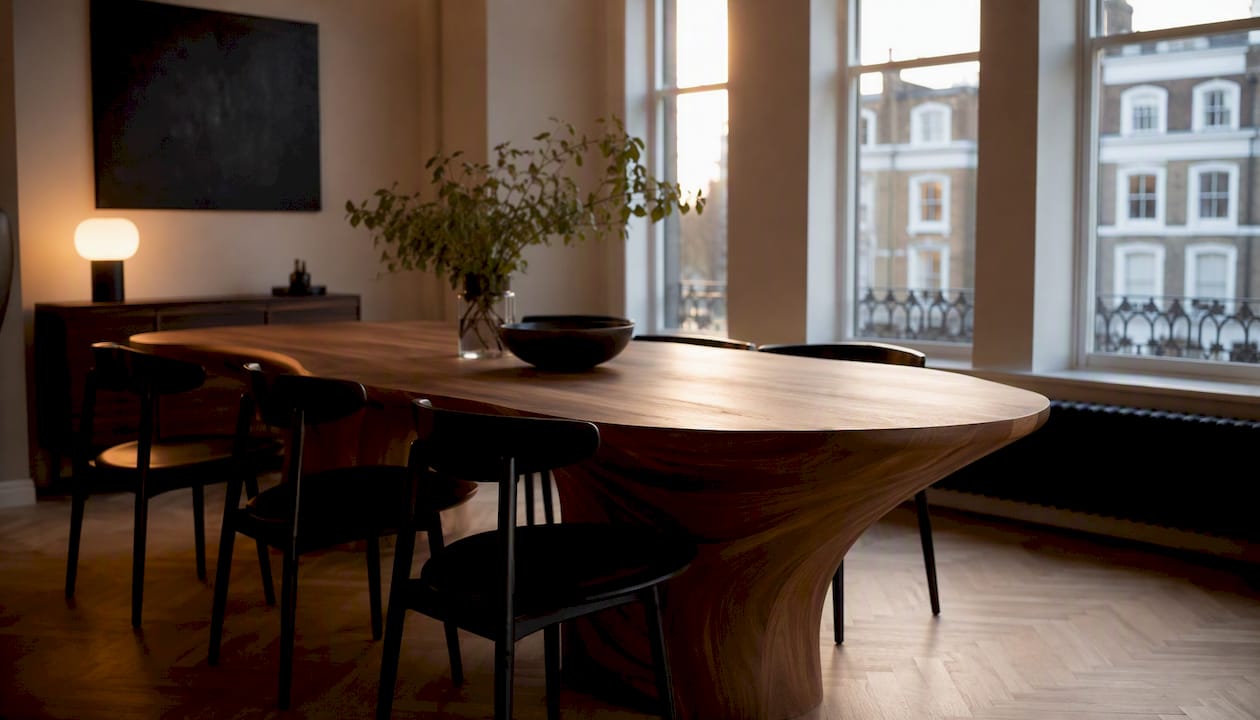
Curved and sculptural silhouettes work because they introduce human scale and tactile contrast against the straight lines of most British architecture. A curved two-seater sofa in a period London reception room, for example, creates visual tension that a rectangular sofa simply does not. The same logic applies to round dining tables, kidney-shaped coffee tables, and arched shelving units.
Where to prioritise investment:
One key focal piece per room. A sculptural dining table or a curved armchair delivers more impact than several mid-range linear pieces.
Occasional chairs are the most accessible entry point. A single sculptural chair in a corner costs less than a sofa and transforms a room’s character immediately.
Dining tables with expressive bases (pedestal, cast iron, turned wood) are the Milan-endorsed focal point for 2026.
For UK rooms, sizing matters. Many Victorian and Edwardian terraces have rooms under 4 metres wide. A round dining table of 1.1–1.2 metres diameter seats four comfortably and leaves adequate circulation space. Bespoke joinery is worth considering when standard sizes do not suit your floor plan. The role of joinery in a home build explains how custom-built pieces can be designed to fit awkward proportions precisely.
4. Textiles, patterns, and surfaces: bouclé, slubby linen, mosaics, and small prints
Vogue’s 2026 interior trend coverage documents a return to handcrafted, romantic detailing — fringe, tassels, organic materials — as a direct reaction against the prolonged minimalism of the previous decade. Tactile textiles and patterned surfaces are the practical expression of this shift.
Bouclé upholstery remains strong, particularly in warm off-white, caramel, and dusty sage. Slubby linen (loosely woven, with visible texture variation) works well for curtains, cushion covers, and loose chair covers. Both materials reward natural light and look their best in rooms with good daylight — a consideration worth noting for north-facing UK rooms where texture can compensate for limited light.
On surfaces, small-scale mosaic tiles and painted ceramic tiles are replacing large-format porcelain in bathrooms and kitchen splashbacks. The appeal is craft and individuality. A hand-painted Moroccan-style splashback or a marble mosaic shower wall reads as considered and personal in a way that a 600mm porcelain slab does not.
Practical notes:
Mosaic tile installation requires a specialist tiler. The grouting process is time-consuming and errors are highly visible. Budget for a skilled tradesperson rather than a general labourer.
Wallpaper with small-scale botanical or geometric prints is having a strong moment, particularly in hallways and dining rooms. Lining paper beneath is worth the extra cost in older properties with uneven plaster.
Budget brackets: High-end bespoke mosaic work (hand-cut marble or glass) is significantly more expensive than mass-produced options, with machine-cut mosaic sheets available at lower cost from high-street retailers.
Pro Tip: For a bathroom renovation, invest in the tile and save on the sanitaryware rather than the reverse. A well-tiled room with mid-range fittings looks considered; an expensively fitted room with cheap tiles looks unfinished.
For value-adding bathroom work, London bathroom refurbishment covers how surface choices affect resale value.
5. Biophilic and indoor–outdoor design: bringing nature inside practically
Biophilic design and indoor–outdoor continuity are central to 2026’s design language. Architectural Digest’s Milan reporting noted nature and botanical installations as immersive motifs across multiple showrooms, translating into furniture, surface language, and material choices. The practical question for UK homeowners is how to apply this without a conservatory budget.
Plants remain the most accessible biophilic tool. For UK interiors with limited natural light, the most reliable performers are:
Monstera deliciosa — tolerates low light, grows quickly, and has strong visual presence
Sansevieria (snake plant) — thrives in north-facing rooms and requires minimal watering
Ficus lyrata (fiddle-leaf fig) — needs bright indirect light; best in south or east-facing rooms
Pothos and philodendron — trailing varieties work well on high shelves and in bathrooms
Living walls are achievable in flats as well as houses. Modular panel systems (such as those from Mobilane or Viritopia, both available in the UK) can be wall-mounted without structural work. A simple version using a timber batten frame and individual hanging planters achieves a similar effect for a fraction of the cost.
Where structural changes are involved, the picture changes. Bifold or sliding doors to a garden, a new rooflight, or a glazed rear extension all require planning consideration, structural calculations, and weatherproofing. These are contractor-led projects. Designing open-plan spaces covers the structural and design considerations for opening up ground-floor layouts.
6. Lighting and accents: sculptural glass and softened metal as focal details
Lighting is increasingly sculptural in 2026. Glass and softened metal finishes are used as focal details rather than purely functional fixtures. Milan Design Week coverage by Architectural Digest highlighted blown and recycled glass reinterpreted as a craft material, appearing in pendant lights, table lamps, and occasional furniture. Each piece carries slight variation — the hallmark of hand-made production.
Layering lighting is the practical skill that separates a well-designed room from a flat one. The approach:
Ambient lighting (ceiling pendants or recessed downlights) provides the base layer
Task lighting (under-cabinet strips, reading lamps, desk lights) serves functional zones
Accent lighting (picture lights, shelf uplighters, floor lamps) adds depth and drama
A single sculptural pendant over a dining table or kitchen island delivers the most impact per pound spent. Artisan glass pendants from UK makers such as Rothschild & Bickers or Glassworks Studios offer hand-blown options at mid-range prices. Recycled glass ranges from Nkuku and Rockett St George are more accessible price points with a similar aesthetic.
UK wiring considerations: any new lighting circuit, additional socket, or consumer unit work must be carried out by a Part P-registered electrician. This applies to pendant drops that require a new ceiling rose, recessed downlight installations, and smart lighting systems that integrate with a home automation hub. Budgeting for new lighting installation costs in London depends on access and wiring age, and tends to require professional estimates due to variability. Glass interior doors offer a related way to use glass as an architectural feature that also improves light flow between rooms.
7. Smart home integration and its effect on modern interiors
Smart lighting is the most visible point where technology intersects with current interior design styles. Philips Hue, Lutron Caséta, and LIFX all offer systems that allow colour temperature and brightness to be adjusted by room, time of day, or scene — which means a single room can shift from a cool working light at midday to a warm amber in the evening without changing a fitting.
The design implication is significant. Smart dimming removes the need for multiple switched circuits in a room, which simplifies the ceiling and reduces the number of visible controls. Wireless smart switches (such as those in the Lutron or Philips Hue range) can be placed anywhere without chasing new cable runs, which is a genuine advantage in period properties where chasing plaster is disruptive and expensive.
For furniture, integrated charging (USB-C ports in bedside tables, wireless charging pads built into kitchen worktops) is increasingly standard in new-build and high-spec refurbishment projects. If you are planning a kitchen or bedroom renovation, specifying these at the joinery stage costs far less than retrofitting later.
8. Sustainable and eco-friendly decor: materials, certifications, and sourcing
Pella’s 2026 design trends report frames aesthetic choices around resilience and performance, linking design themes such as Resilient Choices and Soulful Intention to materials that are both beautiful and built to last. This is the practical definition of sustainable decor: buying less, buying better, and choosing materials that do not need replacing in five years.
For UK homeowners, the most credible sustainability markers are:
FSC certification for timber products — confirms responsible forest management
Cradle to Cradle certification for furniture and textiles — covers material health and recyclability
GreenGuard Gold for paints and finishes — relevant for bedrooms and children’s rooms
Recycled content labelling for glass, metal, and fabric products
Eco-friendly building materials cover a range of options for homeowners planning structural or renovation work with sustainability as a priority.
Practically, the most impactful sustainable choices in a UK home are: insulating properly before decorating (so heating energy is not wasted), choosing natural paints (Farrow & Ball, Little Greene, and Edward Bulmer all offer low-VOC ranges), and buying reissued or vintage furniture rather than new fast-furniture. The Vogue 2026 trend overview notes a clear editorial move away from algorithm-driven homogeneity toward curated, storied pieces — which aligns precisely with a sustainable buying approach.
9. Artwork and decorative accessories: contemporary wall art and curated objects
Contemporary wall art in 2026 favours the personal and the handmade over the mass-produced print. Large-format photography, original paintings, and textile wall hangings are all gaining ground over the framed typographic prints that dominated the previous decade.
Sourcing local artists is straightforward in the UK. Platforms including Artfinder, Saatchi Art’s UK section, and Not On The High Street connect buyers directly with British artists and makers. Affordable originals start from around £80–£150 for smaller works; a single strong piece at £300–£500 can define a room more effectively than a gallery wall of cheaper prints.
For decorative accessories, the principle is restraint. A few well-chosen objects — a hand-thrown ceramic vase, a sculptural candleholder, a vintage brass bowl — carry more visual weight than a shelf crowded with impulse purchases. This is the practical application of the intentional design principle that industry research identifies as the defining homeowner mindset for 2026.
10. Budget-friendly sourcing for modern decor in the UK
You do not need a designer’s budget to apply these trends. The key is knowing where to spend and where to save.
Spend on:
Upholstered pieces you sit on daily (sofa, dining chairs) — quality foam and fabric make a tangible difference to longevity
Tiles and flooring — these are expensive to replace and set the room’s character
Lighting fixtures — a well-made pendant lasts decades; a cheap one looks cheap immediately
Save on:
Cushion covers, throws, and smaller textiles — the high street (H&M Home, Zara Home, John Lewis) offers good bouclé and linen options at accessible prices
Decorative accessories — charity shops, car boot sales, and eBay regularly surface vintage ceramics, brass objects, and woven baskets that fit current trends perfectly
Paint — the difference between a £20 and a £60 tin of paint is real, but you can achieve excellent results with mid-range brands such as Dulux Heritage or Crown Period Colours
For bespoke or reissued pieces, carpentry ideas for homes shows how custom joinery can be specified to match current design directions without paying retail furniture prices.
11. How to adopt these trends in your home: a phased starter plan
Start with an audit, not a shopping list. Walk through each room and note what is working, what feels dated, and what the room’s primary function actually is. This takes an hour and saves significant money.
Phase 1: Styling changes (no trades needed, £200–£1,500)
Repaint one room using a warm neutral or colour drench approach
Replace cushion covers, throws, and curtains with bouclé or slubby linen options
Add one sculptural focal piece (a curved chair, a woven pendant, a statement vase)
Introduce plants suited to your light conditions
Phase 2: Small works (minor trades, £1,500–£8,000)
Replace bathroom or kitchen splashback tiles with mosaic or hand-painted ceramic
Install new lighting points or a smart dimming system (Part P electrician required)
Commission bespoke shelving or a fitted wardrobe in timber
Phase 3: Contractor or full renovation (£15,000 upwards)
Structural openings for indoor–outdoor flow (bifold doors, rear extension)
Full bathroom or kitchen refurbishment including tiling, plumbing, and joinery
Loft conversion or extension to create new usable space
Questions to ask trades before work begins:
Are you insured and do you hold relevant certifications (Gas Safe, NICEIC/NAPIT for electrics, CSCS for site work)?
Can you provide a written, itemised quotation after a site survey?
What is the realistic programme and what are the main risk items that could extend it?
Who manages the project day-to-day and who is my point of contact?
What is the payment schedule and do you require a deposit?
Red flags that suggest you need professional oversight: any work involving load-bearing walls, new drainage runs, rewiring beyond a single circuit, damp remediation, or changes to the roofline.
12. When trends mean renovation: timelines and cost bands from a London contractor
Many trend-led changes are styling-only, but several commonly require a contractor. Structural openings, extensive retiling, rewiring, bespoke joinery, and full room refurbishments all need qualified trades and, in some cases, planning permission or building regulations approval.
All figures are indicative ranges for London. Actual costs depend on specification, access, existing condition, and current material prices. A site survey and written quotation are the only reliable basis for budgeting.
Briefing checklist to take to a contractor:
Photographs of the existing space and any inspiration images
A clear brief: what you want the room to do, not just how you want it to look
Your budget range (a realistic figure, not a wish)
Your preferred timeline and any fixed constraints (school holidays, tenants, events)
Any known issues: damp, previous subsidence, old wiring, asbestos in older properties
In London properties, particularly Victorian and Edwardian stock, hidden issues (old lead pipes, uneven joists, lime plaster that needs specialist repair) appear in the majority of projects. A contingency is not pessimism — it is professional planning.*
3D design in renovations explains how visualising a scheme before work starts reduces costly changes mid-project.
What actually ages well: a perspective on picking trends wisely
The most common mistake homeowners make is treating trends as a shopping list rather than a filter. Not every trend belongs in every home, and the ones that age best are almost never the ones that photograph best on social media.
The Vogue 2026 coverage makes a point that deserves more attention than it typically receives: the move away from algorithm-driven homogeneity toward curated, storied interiors is not just an aesthetic preference. It is a practical argument for buying fewer, better things. A hand-thrown ceramic bowl that you found in a market in Marrakech will still feel right in your home in fifteen years. A mass-produced bouclé cushion in this season’s exact shade of sage will not.
The structural changes — a well-proportioned extension, a properly insulated loft conversion, a kitchen layout that actually works for how you cook — these are the investments that hold their value and improve daily life. The styling layers on top of them can and should change. But if the bones of the space are wrong, no amount of sculptural furniture will fix it.
My honest advice: spend the majority of your budget on the structure and the surfaces (flooring, tiles, joinery), and treat the soft furnishings and accessories as a renewable layer. Buy one genuinely good piece rather than five adequate ones. And before committing to any trend-led renovation, ask yourself whether you would still want it in a room with no Instagram filter applied.
Tenenltd: professional support for trend-led renovation in West and Central London
When your plans go beyond styling and into structural or specialist trade territory, having an experienced contractor who understands both the design intent and the technical requirements makes a real difference. Tenenltd has been delivering high-quality refurbishments and extensions across West and Central London since 2006, working with homeowners in Fulham, Chelsea, Kensington, Chiswick, Hammersmith, and Notting Hill.
Whether you are planning a full property refurbishment, a loft conversion to create a new principal bedroom, a kitchen or bathroom renovation with bespoke tiling and joinery, or a rear extension to open up your ground floor, Tenenltd manages the project from initial survey through to handover. Director oversight on every project means you have a single point of accountability throughout.
Services relevant to 2026 trend-led projects:
Full and partial property refurbishments
Home extensions (rear, side, and wrap-around)
Loft conversions (dormer, mansard, hip-to-gable)
Kitchen and bathroom renovations including tiling and joinery
Painting, decorating, and specialist finishes
Electrical, plumbing, and carpentry
To discuss your project, request a site survey and written quotation directly through Tenenltd’s services page.
Sources
The following sources informed this article and are worth exploring for deeper research:
Recommended
Comments