
House extensions: boost your West London home's value by 25%
TL;DR:
Well-designed house extensions in West London can add 15–25% to property value and improve daily living.
Extending is often more cost-effective and less disruptive than moving, avoiding stamp duty and agency fees.
Local planning restrictions and future-proofing are crucial considerations for successful home extensions.
When space runs tight and your family’s needs grow, most West London homeowners assume moving is the only real answer. But with house extensions adding 10–25% to property value, that assumption deserves a closer look. Moving in London is expensive, stressful, and disruptive in ways that are easy to underestimate. A well-planned extension, on the other hand, can transform your home into exactly what you need, without sacrificing your postcode, your community, or your savings. This article walks you through the real financial and practical benefits of extending, the costs involved, the obstacles to expect, and how to make the right decision for your home.
Table of Contents
Key Takeaways
Point | Details |
Strong value uplift | Extensions can raise your West London property’s value by 15–25% when well executed. |
Space tailored to you | Custom extensions provide flexible living for growing families, remote work, or modern lifestyles. |
Cost-effective vs moving | Building out is usually cheaper and less disruptive than moving house, especially in prime locations. |
Plan for obstacles | Preparation for planning restrictions and realistic budgeting avoids costly setbacks. |
How house extensions boost value in West London
West London’s property market is one of the most competitive in the country. Demand is consistently high across Fulham, Chelsea, Kensington, Chiswick, and Notting Hill, and that demand is precisely what makes extensions so financially rewarding here. When you add quality, well-designed space to a home in these areas, you are not just improving your lifestyle. You are investing in an asset that the market actively rewards.
London properties can see a 15–25% uplift in value from well-designed extensions, and the type of extension you choose plays a significant role in how much you gain. Kitchen extensions add 10–15%, extra bedrooms around 15%, and double-storey extensions between 15–20%. These are not trivial figures. On a £1.2 million property in Chiswick, a 20% uplift means £240,000 in added value.
Extension type | Typical value uplift | Best suited for |
Rear kitchen extension | 10–15% | Open-plan living, entertaining |
Extra bedroom | ~15% | Growing families, rental appeal |
Double-storey extension | 15–20% | Maximum space and ROI |
Side-return extension | 8–12% | Narrow Victorian terraces |
The key word in all of this is well-designed. An extension that feels bolted on, poorly lit, or out of proportion with the original property will not deliver the same returns. Buyers in West London are discerning. They notice quality, proportion, and flow. This is why the design stage matters just as much as the build itself.
There is also a concept worth understanding called the ceiling price. Every street has a maximum price that buyers will pay, regardless of how much you spend on improvements. Over-improving beyond that ceiling means your investment will not be fully reflected in the sale price. Understanding your local ceiling before you build is essential, and exploring home extension benefits alongside your specific goals helps you plan wisely.
For a broader look at how different project types perform, the extension value uplift data for London is particularly useful. If you are still weighing up your options, browsing extension ideas for added value can help you focus on the types most likely to deliver strong returns in your area.
Enhanced living space and functionality
Beyond the financial returns, the day-to-day transformation that a house extension delivers is remarkable. Think about what you actually need from your home right now. Perhaps your kitchen is too small for the family to gather comfortably. Maybe you are working from home three days a week with no dedicated space. Or your children have outgrown the living room and you need a playroom that keeps the rest of the house calm.
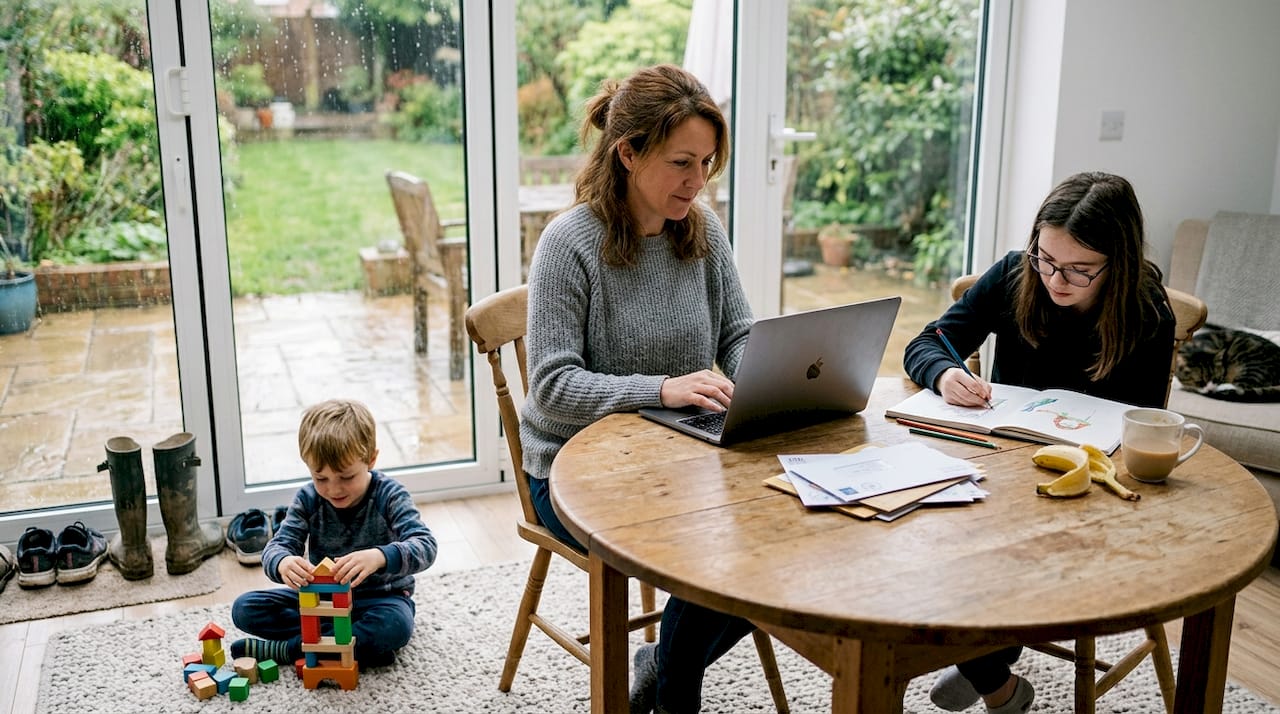
Extensions allow open-plan layouts, home offices, and family-centric designs that genuinely change how you experience your home each day. This is not about adding square footage for its own sake. It is about creating spaces that fit your life.
Common extension types include rear, side-return, wraparound, and two-storey extensions, each with distinct advantages depending on your plot and priorities. Here is a practical overview:
Extension type | Typical use | Functionality outcome |
Rear extension | Kitchen, dining, living | Open-plan family space |
Side-return | Kitchen widening | Better flow and natural light |
Wraparound | Kitchen and side combined | Dramatic spatial transformation |
Two-storey | Bedroom and reception | Maximum living and sleeping space |
Some of the most common scenarios we see include:
Families needing a larger kitchen-diner to accommodate daily routines
Homeowners creating a dedicated home office to separate work from living space
Parents adding a ground-floor playroom so children have their own zone
Couples preparing for a growing family by adding a bedroom before they need it
Planning these outcomes carefully from the start is where the real value is created. Exploring extension types in West London gives you a strong starting point for matching your needs to the right approach. You should also consider planning your extension early, as layout decisions made at the design stage are far easier and cheaper to change than those made mid-build.
For practical guidance before you commit, reviewing tips before starting is well worth your time.
Pro Tip: Involve an architect early, not just for drawings but for layout optimisation. A good architect will ask how you actually live in your home and design around your routines, not just the available space.
Cost-effectiveness: Extensions vs moving in West London
Let’s be direct about the numbers. Moving house in London is far more expensive than most people anticipate before they go through it.
Moving costs in London regularly exceed £50,000 when you factor in stamp duty, estate agent fees, legal costs, surveys, and removal expenses. A well-planned extension often delivers more space for significantly less.
Extensions typically cost £1,900–£3,300 per m² in West London, and crucially, you avoid the stamp duty, agency fees, and legal costs that come with purchasing a new property. Here is how the two options compare side by side:
Cost factor | Moving house | Building an extension |
Stamp duty | £30,000–£90,000+ | None |
Estate agent fees | £15,000–£25,000 | None |
Legal and survey fees | £3,000–£6,000 | £1,500–£3,000 (planning/design) |
Build or purchase cost | £800,000–£2m+ | £50,000–£200,000 |
Disruption | High (full relocation) | Moderate (temporary) |
The hidden costs of moving go beyond money. Consider these often-overlooked factors:
School disruption for children if you move out of catchment
Loss of community and established neighbour relationships
Emotional stress of uprooting a settled household
Compromise on location when budget limits your options
Chain collapse risk which can delay or derail the entire process
Extending keeps you in the neighbourhood you already love, in the school catchment you have planned around, and in the community you have built over years. That has genuine value, even if it does not appear on a spreadsheet.
For a full breakdown of what to expect financially, our guide on extension costs in London covers the detail clearly. And if you want a broader perspective on why extending is often the smart value add for London homeowners, the case is compelling.
Pro Tip: When comparing costs, always calculate the total cost of moving including stamp duty, not just the property price difference. Most homeowners are genuinely surprised by the final figure.
The realities: Common obstacles and essential planning tips
A house extension is a significant project, and West London presents some specific challenges that homeowners elsewhere in the country simply do not face. Going in with clear eyes makes the difference between a smooth project and a costly, stressful one.
West London projects face higher costs, planning hurdles, and restricted permitted development rights due to the prevalence of conservation areas and Article 4 directions. Many streets in Kensington, Chelsea, and Notting Hill fall within these zones, meaning that work you might carry out under permitted development elsewhere requires full planning permission here.
Common planning obstacles in West London include:
Conservation area restrictions limiting materials, heights, and roof styles
Article 4 directions removing standard permitted development rights
Party wall agreements required when building near shared boundaries
Neighbour objections which can delay or complicate applications
Listed building consent for properties with heritage protections
30% of applications are refused, and total project timelines typically run from 7 to 15 months, including planning, approvals, and the build itself. Noise, dust, and temporary disruption to your household are real factors to plan around.
On budgeting, always build in a 15–20% contingency above your quoted build cost. Unexpected structural findings, material price changes, and design revisions are common, and having that buffer prevents panic decisions mid-project.
Our West London extension guide covers the local planning landscape in detail, and our step-by-step resource on West London planning steps walks you through the process clearly. For a deeper look at strategic evaluation methods, the planning methodologies used by experienced professionals are worth understanding.
Pro Tip: Invest in a thorough pre-application consultation with your local planning authority before submitting. It costs relatively little and can save months of delay and thousands in redesign fees.
The hidden truth: What most homeowners miss about house extensions
After nearly two decades working on extensions across West London, we have noticed a consistent pattern. Homeowners who are happiest with their results are rarely those who spent the most. They are the ones who spent the most thoughtfully.
The instinct to maximise size and add premium finishes is understandable, but it often leads to regret. A beautifully proportioned 25m² rear extension that flows naturally into your existing home will outperform a sprawling 50m² addition that feels disconnected and expensive to heat. Quality of space beats quantity every time.
What genuinely gets overlooked is future adaptability. Will the layout work when your children leave home? Could the space serve as a home office, a guest suite, or even a rental unit one day? Extensions that are designed with flexibility in mind hold their value far better over time.
Energy efficiency is another undervalued factor. A well-insulated, well-glazed extension that reduces your heating bills and improves your EPC rating adds real, measurable value. Buyers increasingly factor running costs into their decisions.
Most regret comes from rushed design decisions made under time or budget pressure. Taking an extra month at the planning stage, seeking experienced advice, and following expert planning tips pays dividends for years. The best extensions are those where less is more, and where adaptability quietly trumps short-term trends.
Get expert support for your West London house extension
Planning a house extension in West London is one of the most rewarding investments you can make in your home. But getting it right requires experience, local knowledge, and a team that understands both the design and the delivery.
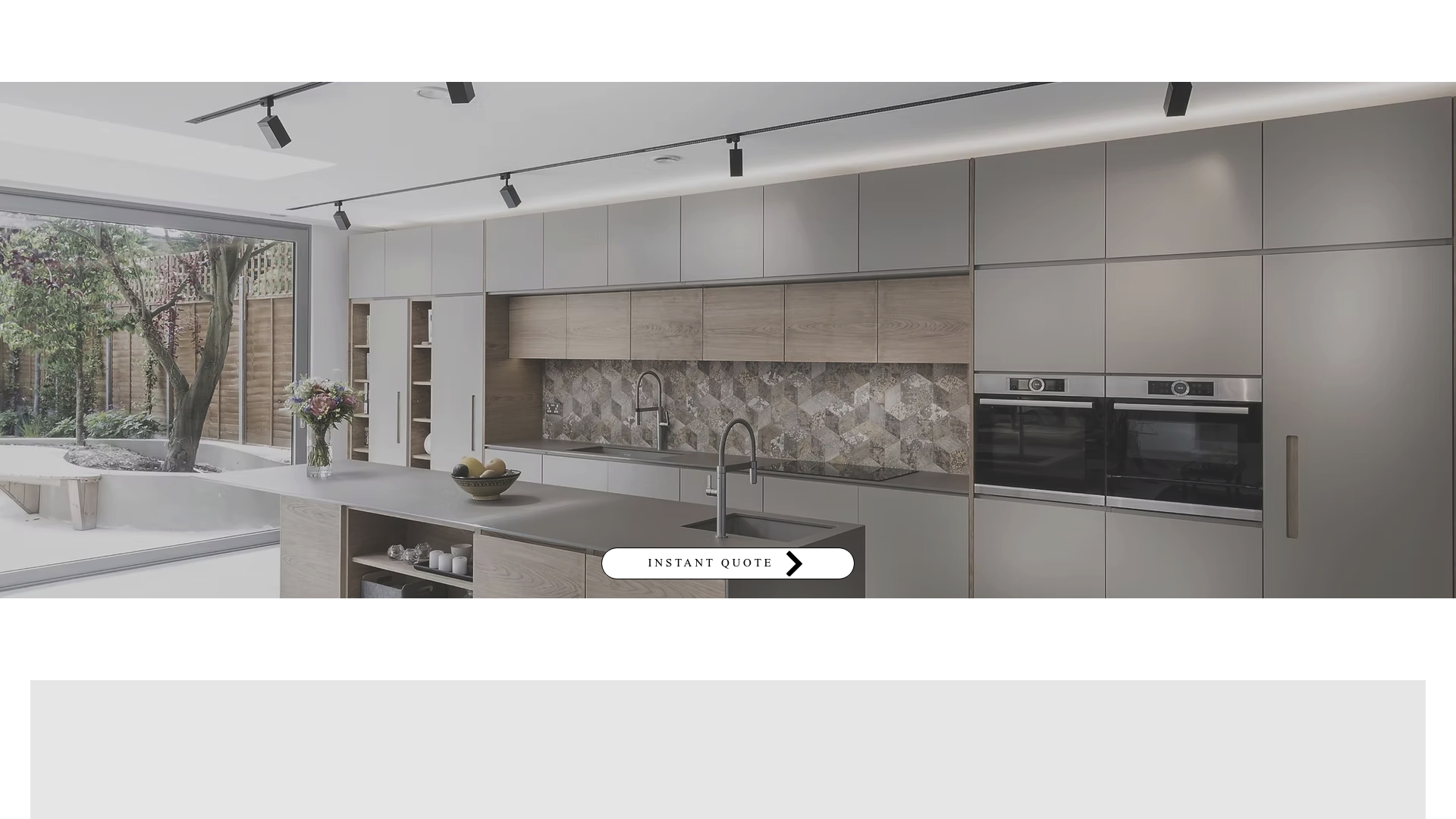
At Tenen Ltd, we have been helping West London homeowners transform their properties since 2006. From initial design and planning through to the final build, our team brings the expertise and attention to detail your project deserves. Explore our London home extension services to see how we approach each project, or browse our full extension and refurbishment support for a broader view of what we offer. You can also view our complete range of all construction services to find the right fit for your home.
Frequently asked questions
How much value will a house extension add to my West London property?
A well-designed extension in West London typically boosts property value by 15–25% for well-designed extensions, with premium areas and carefully planned layouts achieving the higher end of that range.
What are the biggest hidden costs and risks of building a house extension?
Common hidden costs include planning fees, design revisions, and temporary relocation. Always budget a 15–20% contingency for overruns to cover delays or unforeseen structural issues.
Which extension types are most popular or effective in West London?
Rear, side-return, wraparound, and two-storey extensions are the most effective for maximising living space and value in West London homes, depending on your plot and planning constraints.
How long does a typical house extension project take?
Average timelines run from 7 to 15 months total, including planning, permissions, and construction, with the build phase itself typically taking between 10 and 18 weeks.
Do I need planning permission for a house extension in West London?
Most single-storey rear extensions within size limits are permitted development nationally, but permitted development is often limited in West London due to conservation areas and Article 4 directions, so full planning permission is frequently required.
Recommended
Comments