
The home maintenance checklist every UK homeowner needs
- luka bursac
- 3 days ago
- 7 min read
Here’s the direct answer: a proper home maintenance checklist has three layers. Monthly checks that take fifteen minutes, seasonal jobs tied to the weather, and an annual professional service for your boiler and plumbing. Get those three layers running and you’ll catch the small failures before they become big invoices.
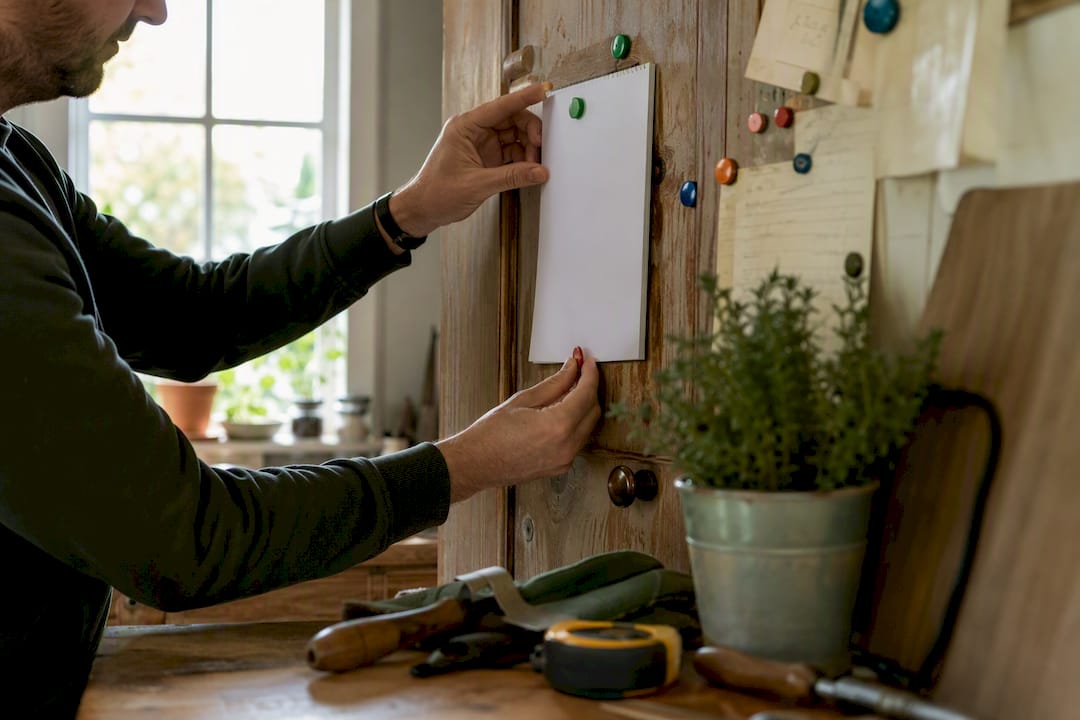
Print this section, stick it inside a cupboard door, and work through it this weekend.
Test smoke and carbon monoxide alarms
Check boiler pressure gauge sits between 1 and 1.5 bar
Clear the tumble dryer lint filter
Check gutters and downpipes for blockages after wind or rain
Look under sinks for damp patches or drips
Pro Tip: Before you touch anything electrical or climb a ladder, isolate the relevant circuit at the consumer unit and never work alone on a roof or gutter job above single-storey height.
Add these five tasks to a recurring calendar reminder now, and keep the sheet somewhere you’ll actually see it, the fridge or the utility cupboard works better than a folder you’ll forget.
Key Takeaways
A season-organised home maintenance checklist with monthly checks, seasonal jobs, and an annual professional service is the single most reliable way to avoid costly emergency repairs.
Point | Details |
Run monthly checks | Test alarms, check boiler pressure, and clear dryer lint every month in under fifteen minutes. |
Time seasonal jobs right | Service heating in autumn and cooling systems in spring to cut peak-season costs. |
Budget by task frequency | Boiler servicing runs roughly £80 to £120 annually; full plumbing inspections £150 to £300. |
Know your DIY limits | Leave gas, structural, and major electrical work to qualified, insured professionals. |
Consider a managed plan | Tenenltd offers planned preventive maintenance and reactive repairs across West and Central London. |
Table of Contents
Why a home maintenance checklist actually saves you money
A consistent home maintenance checklist cuts repair bills, lowers safety risks, and keeps energy costs down. Small leaks and blocked vents left unchecked are exactly how damp and mould take hold, and government guidance links damp conditions directly to respiratory health risks. A quarterly ten-minute check costs you nothing but time.
Avoids water damage and structural rot
Reduces heating and energy bills
Protects resale value
Cuts the risk of electrical or gas faults
What should you check every month?
Monthly checks catch the failures that cause most emergency call-outs: a stuck alarm battery, a creeping boiler pressure drop, a blocked filter. None of these take long, but skipping them is how a £20 fix turns into a £2,000 one.
Run through this list on the same day each month, so it becomes habit rather than an afterthought:
Test smoke and carbon monoxide alarms by pressing the test button on each unit
Check boiler pressure and top up if the gauge reads below 1 bar
Clear tumble dryer lint from the filter and, ideally, the vent hose too
Check under sinks and around the washing machine for slow leaks or damp patches
Top up dishwasher salt and rinse aid to protect the machine and your glassware
Glance at external drains and gutters after any heavy storm
Two of these need a safety note. If you’re checking gutters on anything above ground-floor height, use a stable ladder on level ground with someone holding the base, never a chair or a stepladder balanced on uneven paving. Anything involving the consumer unit or exposed wiring should be isolated at the switch first, or left to an electrician entirely.
Not everything on a sensible routine is truly monthly. A full plumbing inspection is best done annually, water heaters benefit from a yearly flush to clear sediment, and your boiler needs a proper service, not just a pressure check, once a year. The HomeOwners Alliance checklist is a useful reference if you want to see how these monthly habits fit into a longer property care checklist.
What maintenance tasks change with each season?
Timing your maintenance to the seasons is what separates a reactive homeowner from one who never gets caught out. Servicing a boiler in early autumn, before the first cold snap sends every heating engineer’s diary into meltdown, is a textbook example of how aligning maintenance with seasonal transitions cuts both cost and equipment strain.
Spring
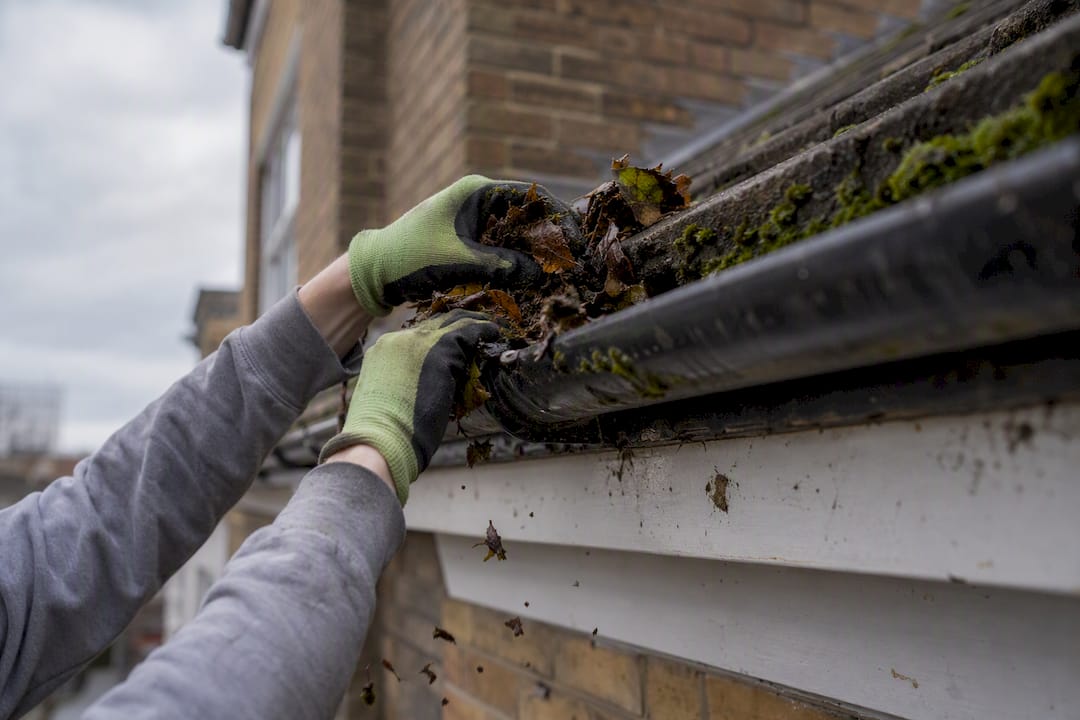
Spring is your damp-prevention window. Clear gutters of the winter’s debris, check for green or black staining on walls, and look at window seals for gaps that let moisture in. It’s also the right time to service any cooling systems before summer demand hits, and to clean external drains before spring rain tests them.
Summer
Warmer, drier weeks are the best time to inspect exterior paintwork and decking for cracking or rot, since surfaces need to be dry to work on properly. Service garden taps and irrigation lines, clean air-conditioning or extractor filters, and check the roof for any tiles loosened over winter storms.

Autumn
Autumn is about preparing for the cold. Clear leaves from gutters before they compact and freeze, book your annual boiler service, and check the chimney and flue if you have an open fire or wood burner. Weather-seals around external doors and windows are worth a proper check here too, gaps that were tolerable in July let in real cold by November.
Winter
Insulate any exposed pipework in lofts, garages, or outbuildings before the first frost. In genuinely extreme cold, leaving a trickle of water running overnight can prevent a frozen and burst pipe. Check loft insulation depth and make sure vents aren’t blocked, since good ventilation actually prevents condensation rather than causing heat loss. Test your alarms again, and check you have a basic emergency kit in case of a power cut.
Pro Tip: Group your gutter, roof, and loft checks into a single half-day rather than tackling them separately. You’ll only need to get the ladder out once, and problems in one area often explain problems in another, a blocked gutter is frequently why you’ve got a damp patch in the loft.
Anything involving a ladder above single-storey height, or work near power lines and roof edges, is worth paying a professional for. The saving from doing it yourself rarely justifies the risk.
How often should you do each task, and what does it cost?
Most home maintenance tasks fall into four bands: monthly, seasonal, annual, and every three to ten years for bigger items like a full plumbing inspection or exterior repainting. Budgeting against this rhythm avoids the shock of an unplanned bill landing all at once.
Smoke alarm test: two minutes, monthly, no cost
Gutter clearing: one to two hours, twice yearly, £0 DIY or £60 to £120 for a professional clear
Boiler service: around one hour on-site, annually, typically at a moderate professional cost
Full plumbing inspection: half a day, annually, typically at a moderate professional cost depending on property size
Work through heating and roofline checks in autumn, cooling and exterior checks in spring and summer, and save the bigger annual services for whichever season suits your calendar best. Costs vary by region and property size, so treat these as planning ranges rather than fixed quotes, and ONS household spending data is a useful benchmark if you want to see how maintenance spend compares against other household costs.
Which jobs are safe to DIY and which need a professional?
Visual checks, filter cleaning, and minor fixes like replacing a washer or resealing a gap are safe DIY territory for most homeowners. Anything structural, anything involving gas, and any electrical work beyond changing a fuse should go to a qualified professional, full stop.
Wear gloves and eye protection for any job involving dust, insulation, or old sealant
Isolate the relevant circuit at the consumer unit before touching sockets or fittings
Never work alone on a ladder, and check it’s rated for the height and surface
Gas appliance work legally requires a Gas Safe registered engineer
When you do bring in a tradesperson, ask for proof of insurance, relevant qualifications, a written quote before work starts, a realistic timescale, and a warranty on the finished work. Annual professional plumbing checks catch small issues that are cheap to fix early and expensive once they’ve caused water damage.
Pro Tip: Photograph completed repairs and keep receipts in one folder, digital or physical. It’s the difference between a smooth insurance claim and a drawn-out argument if something goes wrong later.
What do professionals notice first on a maintenance inspection?
Pros spend the first five minutes of any inspection looking for water, not wear. Staining, soft plaster, and musty smells tell us more than any surface scuff ever will.
Three priorities come up again and again when we plan a maintenance visit: check anything that involves water first, because it causes the most expensive damage; check ventilation second, since poor airflow is behind most damp complaints; and check anything load-bearing or structural last, because it’s the rarest problem but the costliest to ignore.
Prefer a managed inspection instead of doing it all yourself?
If working through seasonal checklists yourself isn’t how you want to spend your weekends, Tenenltd runs scheduled inspections and planned preventive maintenance for homeowners across West and Central London, so the boiler pressure checks, gutter clearances, and seal inspections happen on a set schedule without you having to track them.

Our planned preventive maintenance service covers scheduled inspections and small repairs before they become bigger jobs, and our reactive maintenance team handles anything that needs fixing sooner. If a check turns up something bigger, damp tracking back to a structural issue, or a loft that needs proper insulation and ventilation work, our full range of services covers everything from plumbing and electrical to loft conversions. Get in touch for a site survey and an itemised quote, no obligation, just a clear picture of what your property needs.
Sources
Recommended
Comments