
How flooring shapes your West London refurbishment: 147% ROI
TL;DR:
Flooring influences a home’s visual flow, comfort, thermal performance, and resale value.
Refinishing hardwood floors offers high ROI and environmental benefits over replacing.
Proper selection, installation, and maintenance are essential to maximize long-term value.
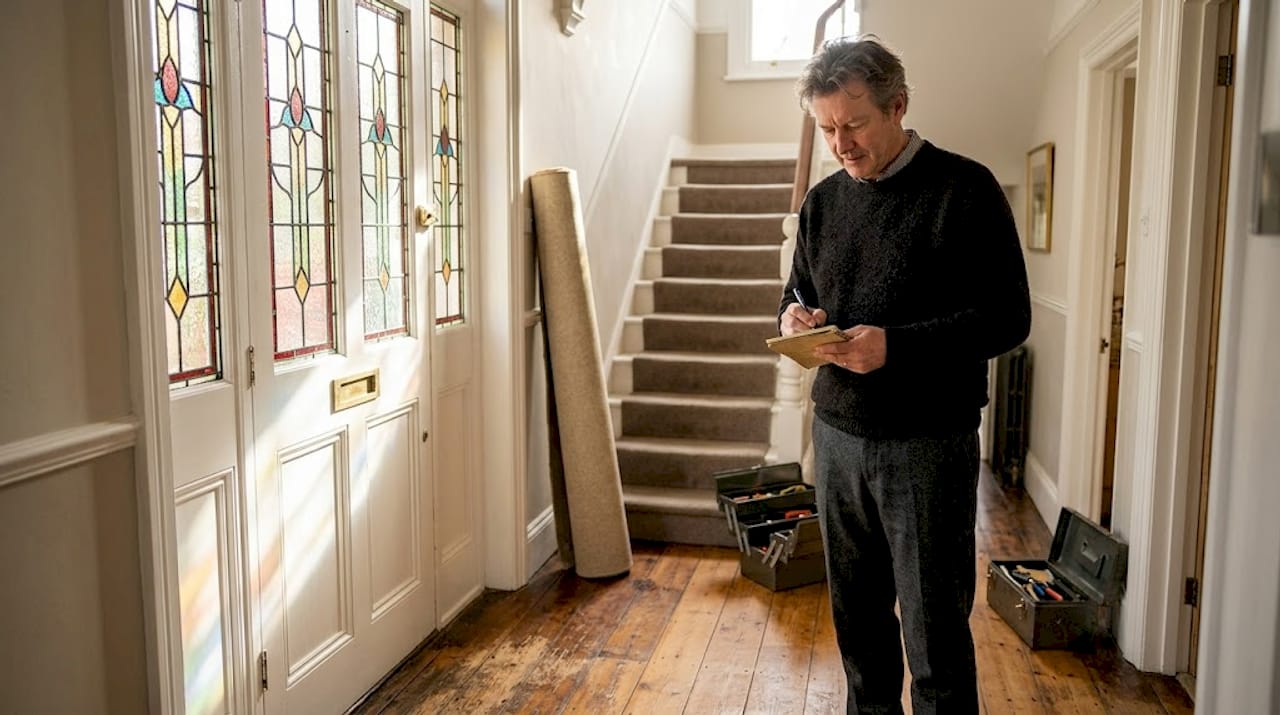
Flooring is rarely the first thing homeowners think about when planning a refurbishment. Most people focus on layout, lighting, or kitchen fittings. Yet flooring quietly shapes everything: how a room feels underfoot, how it photographs, and crucially, how much your property is worth when you come to sell. In West London’s character-rich homes, from Victorian terraces in Fulham to period conversions in Kensington, the floor beneath your feet can either elevate the entire project or quietly undermine it. This article will help you understand the real value of flooring decisions, how to choose between refinishing and replacing, and which materials deliver the best results for your home.
Table of Contents
Key Takeaways
Point | Details |
Refinishing boosts value | Restoring original hardwood floors delivers the highest return and improves sustainability. |
Material choices matter | Selecting solid hardwood or engineered oak ensures lasting quality and strong resale benefits. |
Avoid moisture mistakes | Engineered flooring is best for kitchens and basements, preventing costly issues. |
Expert installation pays off | Proper fitting and maintenance protect investment and maximise results. |
Why flooring is the foundation of successful refurbishment
Having introduced flooring’s surprising impact, let’s clarify why it is truly foundational in any refurbishment project. When you walk into a beautifully refurbished room, your eye moves across the floor before it settles anywhere else. Flooring sets the visual tone, connects spaces, and signals quality to anyone who visits or views your home. Understanding the property refurbishment benefits goes hand in hand with understanding why flooring deserves serious attention.
Solid hardwood and engineered oak have endured as the preferred choices for West London homes because they age gracefully and hold their appeal across decades. They complement period features, work with contemporary interiors, and respond well to refinishing when they eventually show wear. That last point matters more than most homeowners realise.
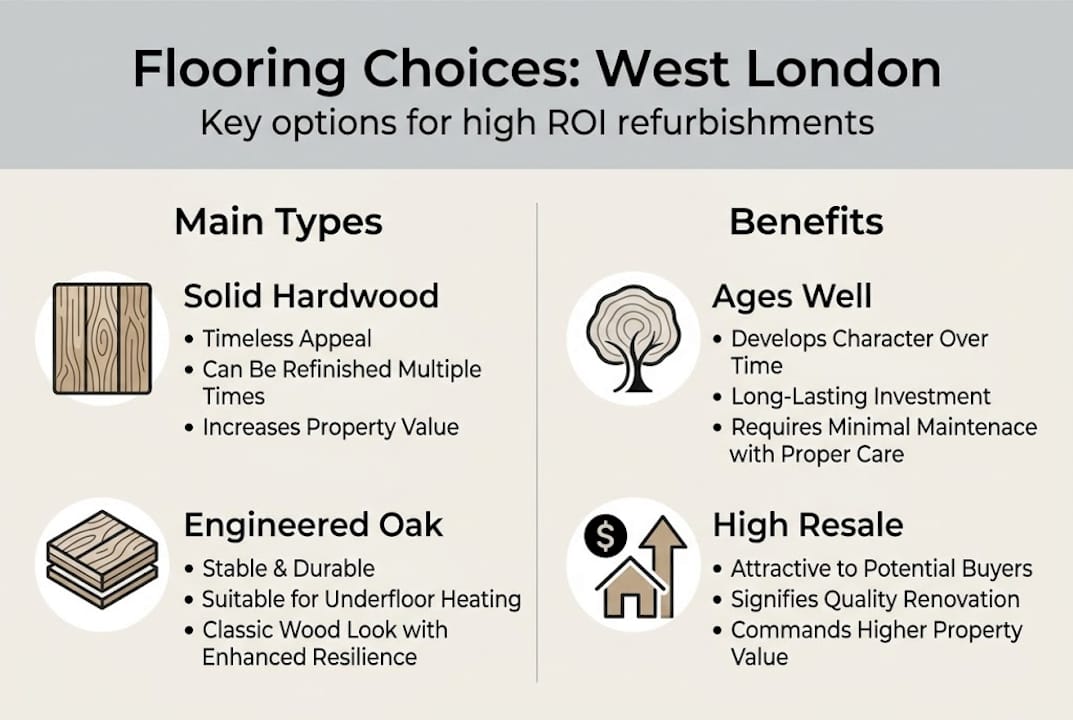
Refinishing existing hardwood floors rather than replacing them can save 50 to 75% in cost and reduce carbon emissions by up to 90% compared with full replacement. That is a remarkable figure, and it changes how you should think about your existing floors before you reach for a quote on new ones.
Poor flooring choices, on the other hand, can quietly undercut everything else you invest in. Consider what happens when a beautifully renovated kitchen opens onto tired, scratched laminate. The contrast is jarring. Buyers and valuers notice. Boosting value with refurbishment requires every element to work together, and flooring is the element most likely to let the side down if overlooked.
Here is what makes flooring so central to refurbishment outcomes:
Style cohesion: Flooring links rooms visually and creates a sense of flow throughout the home
Comfort and acoustics: The right material underfoot reduces noise and improves day-to-day living
Thermal performance: Compatible flooring supports underfloor heating systems, which are increasingly common in West London renovations
Resale value: Quality floors are among the first things buyers comment on during viewings
Sustainability: Refinishing or choosing responsibly sourced materials reduces your project’s environmental impact
“The floor is the largest surface in any room. Get it right and everything else falls into place. Get it wrong and no amount of paint or furniture will compensate.”
Refinishing vs replacing: Maximising ROI and sustainability
Understanding flooring’s importance, it is vital to weigh whether to refinish or replace, especially given the distinctive West London context. This is one of the most consequential decisions in any refurbishment, and the answer is not always obvious.
Refinishing is the process of sanding back existing hardwood floors and applying a fresh finish. It restores the original character of the wood, removes surface scratches and staining, and breathes new life into floors that may look beyond saving. The financial case is strong: hardwood refinishing ROI can reach up to 147%, with carbon output reduced by 83 to 90% compared with replacement. For a Victorian terrace in Hammersmith or Chiswick with original pine or oak boards, refinishing is almost always the right call.

Replacement makes sense in specific situations. If the subfloor is structurally compromised, if the existing boards are too thin to sand again, or if you are undertaking a complete style transformation, new flooring may be the better route. Engineered flooring is particularly well suited to rooms with moisture exposure, such as kitchens, bathrooms, or lower-ground-floor spaces common in West London period homes.
Factor | Refinishing | Replacing |
Cost | 50 to 75% less | Higher upfront investment |
Carbon impact | Up to 90% lower | Significantly higher |
Best suited to | Sound hardwood in good condition | Damaged subfloors or style overhauls |
Disruption | Moderate, 2 to 3 days | Higher, may require subfloor work |
ROI potential | Up to 147% | Varies by material choice |
When weighing your options, follow these steps:
Assess the existing floor’s condition with a professional before assuming replacement is necessary
Check the thickness of the wear layer on any existing hardwood to confirm it can be sanded
Test moisture levels in the subfloor, particularly in ground-floor or basement rooms
Consider the property refurbishment scenarios that apply to your specific home type
Factor in the environmental impact alongside the financial one
Pro Tip: If your existing boards have been sanded before, look for a small stamp or mark on the side of a board near a skirting board. This tells you how many millimetres of wear layer remain and whether another sand is viable.
For rooms where moisture is a concern, engineered flooring offers a practical middle ground. It uses a real wood veneer over a stable core, making it far less prone to expansion and contraction. Explore sustainable refurbishment tips to understand how material choices like these fit into a broader green approach.
Selecting high-quality flooring materials for West London homes
Once you have decided between refinishing and replacing, the next step is selecting the right material. West London homes have particular demands: period proportions, high ceilings, and an expectation of quality that cheap materials simply cannot meet.
Solid hardwood floors deliver the highest resale boost and value impact of any flooring type. They are durable, refinishable multiple times over decades, and carry a premium feel that buyers respond to immediately. Oak is the most popular species for West London homes, offering warmth, grain variety, and excellent longevity.
Engineered oak in a herringbone pattern has become the signature choice for refurbishments across Chelsea, Notting Hill, and Kensington. It offers underfloor heating compatibility and a designer aesthetic that suits both period and contemporary interiors. The pattern adds visual interest without overwhelming the room, and warm tones complement the natural light that West London homes often enjoy.
Material | Best rooms | UFH compatible | Refinishable | Value impact |
Solid oak hardwood | Reception rooms, bedrooms | Limited | Yes, multiple times | Very high |
Engineered oak | Throughout, including kitchens | Yes | Once or twice | High |
Quality stone or porcelain | Kitchens, bathrooms | Yes | No | High in right context |
Cheap laminate | Not recommended | No | No | Negative |
Worn carpet | Not recommended | No | No | Negative |
Avoid cheap laminate and worn carpet at all costs during a refurbishment. These materials signal low investment to buyers and valuers, and they can actively reduce what your home is worth. If you want to transform your space effectively, the floor is not the place to cut corners.
Key considerations when selecting flooring materials:
Board width: Wider boards suit larger rooms and period proportions; narrower boards work in tighter spaces
Finish: Matt finishes are more forgiving of everyday wear; satin and gloss show scratches more readily
Colour tone: Warm mid-tones are versatile and photograph well; very pale or very dark floors can polarise buyers
Thickness: Thicker boards offer more refinishing potential and a more substantial feel underfoot
Pro Tip: Before committing to a flooring colour, bring samples home and view them in your own light at different times of day. West London homes vary enormously in how natural light moves through them, and a colour that looks perfect in a showroom can read very differently in your actual space.
Your refurbishment checklist should include a dedicated flooring review at the planning stage, not as an afterthought once other decisions have been made.
Avoiding common pitfalls: Moisture, installation, and long-term value
Having chosen your materials, the next priority is making sure you avoid the mistakes that can undermine your investment. Even the finest flooring performs poorly if it is installed incorrectly or laid in the wrong environment.
Moisture is the single biggest risk to any timber floor. Concrete moisture above 3lbs per 1,000 square feet is a critical threshold. Exceeding it before installation causes boards to swell, cup, and eventually fail. In West London, lower-ground-floor rooms, basement conversions, and older kitchens are particularly vulnerable. Always test moisture levels before any timber floor goes down.
Engineered flooring is the recommended choice for these environments. Its layered construction resists moisture movement far better than solid wood, making it the practical solution for kitchens, utility rooms, and any room with a concrete subfloor.
Installation quality matters enormously. Poorly fitted floors develop squeaks, gaps, and movement over time. These are not just cosmetic issues; they signal poor workmanship to any future buyer. A well-installed floor, by contrast, feels solid and permanent, adding to the overall sense of quality in your home.
Common pitfalls to avoid:
Skipping acclimatisation: Timber floors need time to adjust to the room’s temperature and humidity before fitting. Allow at least 48 to 72 hours
Ignoring subfloor preparation: An uneven subfloor causes boards to flex and creak. Levelling is essential before any installation begins
Choosing the wrong adhesive: Some adhesives are incompatible with underfloor heating systems and can cause boards to lift
Neglecting maintenance: Regular cleaning with appropriate products and periodic re-oiling or re-coating protects your floor and extends its life significantly
Pro Tip: After installation, keep the room at a consistent temperature and humidity level for the first few weeks. Dramatic changes during this settling period are the most common cause of early board movement.
Statistic to note: Flooring that is poorly matched to its environment is among the top reasons homes are harder to sell, according to property experts. Getting this right is as much about protecting your asset as it is about aesthetics.
Thinking about property transformation holistically means treating flooring as a structural and financial decision, not just a decorative one.
What most West London homeowners miss about flooring upgrades
Here is the honest truth from our experience working across Fulham, Chelsea, and Kensington: most homeowners prioritise how a floor looks on the day it is installed, rather than how it will perform and hold its value over the next 20 years. That is the wrong lens.
The homeowners who get the best outcomes are the ones who treat their existing period hardwood as an asset to be restored, not a problem to be replaced. Refinishing original boards almost always delivers better ROI and a more authentic result than laying something new. It also aligns with the sustainability expectations that are increasingly important to buyers in West London.
When replacement is necessary, engineered oak herringbone in warm, natural tones is the choice we recommend most consistently. It works with underfloor heating, suits the proportions of period rooms, and photographs beautifully. It is also a choice that ages well, which matters in homes that will be sold and refurbished again in the future.
West London homes are not generic. They have character, history, and specific architectural demands. Flooring decisions need to respect that context. Working with a specialist refurbishment team who understands these nuances makes a tangible difference to the outcome.
Elevate your refurbishment with expert flooring solutions
You now have a clear picture of what makes flooring decisions so consequential in a West London refurbishment. The next step is making sure those decisions are executed with the precision they deserve.
At Tenen Ltd, our property refurbishment experts bring nearly two decades of experience to every project across West and Central London. Whether you are refinishing original hardwood, laying engineered oak herringbone, or integrating flooring with a wider renovation that includes loft conversions or kitchen and bathroom upgrades, we deliver tailored solutions that respect your home’s character and maximise its value. Get in touch with our team to discuss your project and find out how we can help you achieve the result your home deserves.
Frequently asked questions
Should I refinish or replace my hardwood floors in a refurbishment?
Refinishing is preferable if the wear layer is sound and no structural damage exists. It costs 50 to 75% less than replacement and cuts carbon output by up to 90%.
What flooring options add the most value to my West London home?
Solid hardwood and engineered oak give the highest resale boost and value impact, especially when installed with quality finishes by experienced professionals.
How do I avoid moisture problems with new flooring?
Use engineered flooring in kitchens and basement rooms, and always ensure concrete moisture is below 3lbs per 1,000 square feet before any timber installation begins.
Does the flooring type affect sustainability in refurbishment?
Refinishing existing floors is far more sustainable, reducing carbon emissions by 83 to 90% compared with full replacement, making it the responsible choice wherever the existing floor allows it.
Recommended
Comments