
Increase home value: top expert-backed renovation ideas

TL;DR:
Strategic renovations like adding bedrooms or open-plan spaces significantly increase West London home values.
Loft conversions offer the highest return per square metre, especially with quality insulation and design.
Exterior upgrades and energy-efficient features boost kerb appeal, EPC ratings, and overall property value.
Choosing which renovations to invest in is one of the most stressful decisions a West London homeowner can face. Spend in the wrong place and you risk wasting tens of thousands of pounds on upgrades that buyers simply don’t value. Spend wisely, and you can transform your property into something genuinely desirable while securing a strong return. West London’s competitive market, from Fulham to Kensington, rewards strategic thinking. This article breaks down the renovation projects that consistently deliver the best results, backed by expert guidance and real market data, so you can make confident, well-informed decisions.
Table of Contents
Key Takeaways
Point | Details |
Apply clear value criteria | Not all upgrades pay off; use return-on-investment benchmarks and local demand to guide your choices. |
Loft and extension upgrades excel | Loft conversions and extensions offer the highest potential value increase for London homeowners. |
Invest in kitchens and bathrooms | Modernising kitchens and bathrooms drives buyer appeal and frequently tops estate agent recommendations. |
Don’t neglect kerb appeal | Finishing touches and energy improvements attract buyers and speed up sales. |
How to judge which upgrades add the most value
Before you commit to any project, it helps to understand what “adding value” actually means for your specific situation. There are two types of return to consider: financial ROI (the measurable increase in your property’s sale price) and lifestyle ROI (the improved quality of daily living). Both matter, but knowing which one you’re prioritising shapes every decision that follows.
When evaluating any potential upgrade, run it through these core criteria:
Cost versus likely value increase: Will the project add more to your property’s value than it costs to complete?
Disruption: How long will you be living on a building site, and is that realistic for your household?
Permitted development rights: Does the project require full planning permission, or does it fall within permitted development rules?
Local demand: What do buyers in your postcode actually want? A home cinema may impress in some areas but leave others cold.
Condition of existing spaces: Fixing structural issues or tired kitchens often delivers more value than adding new features.
Estate agents and chartered surveyors consistently highlight a handful of improvements that move the needle most. Extra bedrooms, open-plan kitchen and living spaces, and additional bathrooms are the most requested features among buyers across West London. RICS tips on adding value confirm that structural improvements and space creation outperform cosmetic upgrades in terms of measurable value gain.
Pro Tip: Before planning any project, search for recently sold properties in your postcode on Rightmove or Zoopla. Compare homes with and without the feature you’re considering. This gives you a realistic sense of what buyers in your area will actually pay more for.
The numbers are encouraging. Extensions and conversions typically add up to 25% to home value in London when well planned and professionally executed. That’s a compelling figure, and it underlines why getting the strategy right from the start is so important.
Loft conversions: maximise space and profit
If you’re looking for the single highest-impact project for a West London home, the loft conversion is hard to beat. London’s chronic shortage of space means that adding a usable room above your existing footprint is almost always welcomed by buyers. Many properties in areas like Chiswick, Hammersmith, and Notting Hill sit under roofs that are ripe for conversion, yet remain unused.
Loft conversions yield the highest return per square metre of any renovation in London, making them a compelling choice for homeowners who want to maximise their investment. Here’s what you need to know before starting:
Typical costs: £30,000 to £65,000 depending on type and specification
Planning: Most fall under permitted development, though mansard conversions usually require full planning permission
Timescales: Typically 8 to 14 weeks from start to completion
Style options: Dormer, mansard, hip to gable, and roof light conversions each suit different roof types and budgets
Type | Typical cost | Best for | Value impact |
Roof light | £20,000 to £30,000 | Simple roof structures | Moderate |
Dormer | £35,000 to £50,000 | Most Victorian terraces | High |
Hip to gable | £40,000 to £55,000 | Semi-detached homes | High |
Mansard | £50,000 to £65,000 | Maximum space gain | Very high |
According to Rightmove data on improvements, adding a bedroom through a loft conversion can increase a property’s value by up to 20%. In West London, where an extra bedroom can mean the difference between attracting a young family and losing them to a larger property nearby, this is significant.

Pro Tip: When planning your loft conversion, insist on high-quality insulation beyond the minimum building regulations requirement. A well-insulated loft room is comfortable year-round and contributes positively to your EPC rating, both of which buyers notice. You can also transform your loft with future-proofing in mind, such as leaving space for an en suite if budget doesn’t allow for one now.
Our London loft conversion service covers everything from structural assessment through to final fit-out, so you’re guided at every stage.
Extensions: create space for modern living
Building outwards is another powerful way to add both space and value. West London homes, particularly Victorian and Edwardian terraces, often have untapped potential at the rear or side that can be unlocked through a well-designed extension.
Single or double-storey extensions can unlock substantial lifestyle and resale value when designed with the right priorities in mind. Here’s how to approach the process:
Check planning requirements early: Rear extensions under 3 metres (semi-detached) or 4 metres (detached) often fall under permitted development. Larger projects need full planning permission.
Prioritise natural light: Open-plan extensions with roof lights or glazed doors feel far more generous than their square footage suggests.
Consider structural implications: Removing internal walls to create open-plan living requires structural engineering input. Budget for this from the start.
Think about the garden: Every metre you take from your garden reduces outdoor space. Weigh this carefully, especially in areas where garden size is a selling point.
Extension type | Average cost | Completion time | Value uplift |
Rear single-storey | £40,000 to £70,000 | 10 to 14 weeks | 5 to 15% |
Side-return | £35,000 to £60,000 | 8 to 12 weeks | 5 to 12% |
Wraparound | £60,000 to £100,000 | 12 to 18 weeks | 10 to 20% |
Double-storey rear | £70,000 to £120,000 | 16 to 24 weeks | 15 to 25% |
Expert insight: In West London, where outdoor space is at a premium, a well-designed rear extension that retains a functional garden often outperforms a larger extension that swallows the entire plot. Buyers want both indoor and outdoor living.
Explore the full range of extension types for West London homes, or read more about extension benefits to understand which approach suits your property best. Homes & Property also provides useful context on how extension value plays out across London’s diverse housing stock.
Kitchen and bathroom upgrades: quick wins for value
Not every high-impact improvement requires planning permission or months of building work. Kitchens and bathrooms are the rooms buyers scrutinise most closely, and a tired or poorly designed space in either room can cost you far more at sale than the refurbishment would have.
Well-executed kitchen and bathroom refurbishments are among the top projects for boosting buyer appeal, consistently appearing on estate agents’ shortlists of value-adding improvements. Here are the upgrades that deliver the strongest results:
Kitchen: Replace cabinet doors and worktops before committing to a full refit. If the layout works, a refresh can cost a fraction of a full renovation. Where the layout is poor, invest in reconfiguring for better flow.
Bathroom: A new suite, quality tiling, and proper ventilation make an enormous difference. Buyers notice mould, dripping taps, and dated fittings immediately.
Lighting: Recessed LED lighting in both rooms is inexpensive and dramatically improves the feel of the space.
Energy-efficient fixtures: Low-flow taps, dual-flush toilets, and A-rated appliances appeal to environmentally conscious buyers and reduce running costs.
Common mistakes include choosing overly trendy designs that may look dated within a few years, skimping on ventilation (which leads to damp and mould), and attempting DIY plumbing or electrical work that doesn’t meet building regulations.
Pro Tip: Invest in quality worktops and splashbacks. These are the surfaces buyers touch and examine closely. Cheap laminate can undermine an otherwise well-executed kitchen. Stone or engineered stone worktops consistently impress and hold their appeal.
For a full overview of what’s possible, our kitchen and bathroom refurbishment guide covers specification options, typical costs, and what to expect from the process. You can also use an extension value estimate tool to sense-check your overall investment strategy.
Finishing touches: kerb appeal and energy efficiency
Once the major works are complete, the finishing details can be the deciding factor for buyers and valuers alike. In West London’s competitive market, first impressions carry real weight. A property that looks well cared for from the pavement invites confidence before a viewer even steps inside.
Energy-efficient upgrades and kerb appeal can tip buyers’ decisions and valuations, particularly as EPC ratings become increasingly important in the sales process. Here’s where to focus your attention:
Front door: A freshly painted or replaced front door in a classic colour makes a strong first impression at minimal cost.
Paintwork: Clean, freshly painted render or brickwork signals that a property has been well maintained.
LED lighting: Upgrading to LED throughout reduces energy bills and improves your EPC rating.
Smart thermostat: A Nest or Hive thermostat is an inexpensive addition that buyers increasingly expect.
Windows: Secondary glazing or full double-glazing replacement improves thermal performance and reduces noise, both valued in urban West London.
Garden: Even modest tidying, new planting, and a clean patio can transform the feel of an outdoor space.
Your EPC (Energy Performance Certificate) rating now directly influences buyer decisions and mortgage availability. Moving from a D to a C rating can measurably improve your property’s appeal and, in some cases, its value.
Pro Tip: In areas like Chelsea and Kensington, buyers are particularly attuned to the quality of exterior finishes. Even if your neighbours haven’t bothered, a smart frontage makes your property stand out in online listings where first impressions are formed from photographs.
Our perspective: what most homeowners get wrong about value-boosting upgrades
After working on hundreds of West London homes since 2006, we’ve noticed a pattern. Homeowners often chase the renovation that’s currently trending rather than the one that genuinely suits their property, their neighbourhood, and their timeline.
A basement conversion might be the talk of Chelsea, but if your home is a first-floor flat in Hammersmith, it’s irrelevant. A high-specification kitchen may impress in Kensington, but if the rest of the property is tired, buyers will discount accordingly. The most successful projects we’ve been involved in share one thing: they were chosen because they addressed a genuine gap in what the property offered its market, not because they looked impressive in a magazine.
Our honest advice is this: resist the urge to follow design trends when you’re not planning to sell imminently. Trends date. Quality doesn’t. Invest in context-led renovation choices that reflect what buyers in your specific area actually want, and work with professionals who understand your local market well enough to tell you when an idea won’t pay off.
How Tenen can help unlock your home’s value
We’ve spent nearly two decades helping West London homeowners make smart, confident renovation decisions that genuinely pay off.
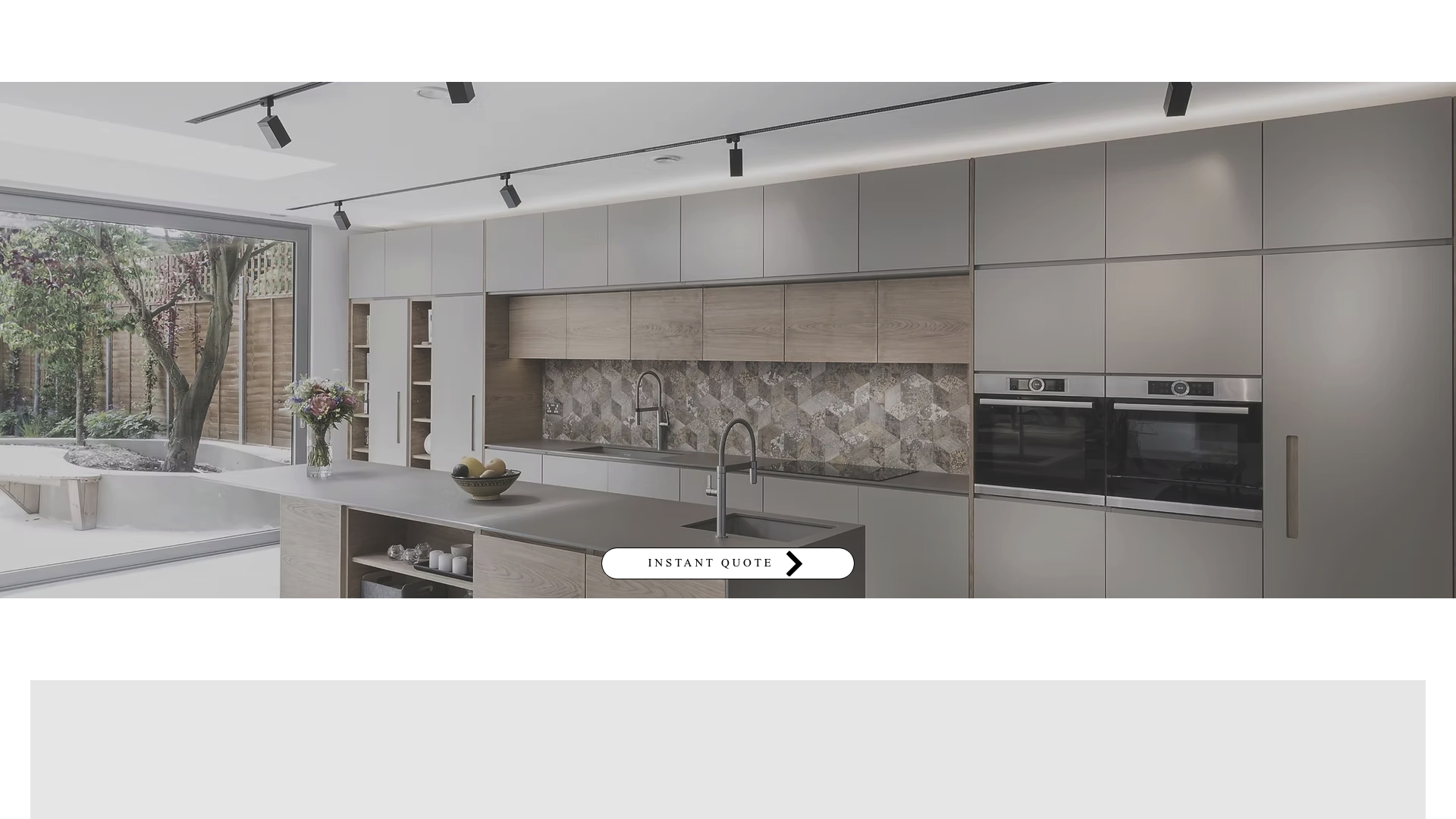
At Tenen Ltd, our all home improvement services cover everything from initial concept through to final completion, whether you’re planning a loft conversion, a rear extension, or a full kitchen and bathroom refresh. Our team understands the nuances of West London’s planning environment, housing stock, and buyer expectations. If you’re ready to explore what’s possible for your home, our loft conversion experts and kitchen and bathroom refurb specialists are on hand to guide you from the first conversation to the finished result.
Frequently asked questions
Do I need planning permission for a loft conversion in West London?
Most loft conversions fall under permitted development rights, meaning full planning permission is not required. However, always verify with your local borough council before work begins, as conservation areas and listed buildings have additional restrictions.
Which extension type adds the most value to London homes?
Double-storey rear extensions add significant value in London and often deliver the highest uplift, though the best choice depends on your home’s existing layout, garden size, and overall budget.
What is the average cost of a kitchen refurbishment in West London?
Kitchen refurbishments in London typically range from £8,000 to £25,000 depending on the size of the space, the specification of materials, and whether any structural or layout changes are required.
Does garden landscaping boost home value in West London?
Garden improvements can add up to 5% to your property’s value, particularly in West London where outdoor space is highly sought after by families and professional buyers alike.
Recommended
Comments