
Essential home refurbishment checklist for London homeowners

Planning a home refurbishment in London brings unique challenges: navigating conservation rules, managing costs that can spiral without warning, and coordinating multiple trades in tight urban spaces. Whether you’re transforming a Victorian terrace in Fulham or modernising a flat in Notting Hill, a structured checklist becomes your roadmap to success. This guide provides a comprehensive, expert-approved checklist tailored specifically for London homeowners, helping you avoid delays, unexpected costs, and costly rework while delivering the home transformation you envision.
Table of Contents
Key Takeaways
Point | Details |
Early comprehensive surveys | Carry out structural, moisture and party wall surveys early to identify hidden issues and plan costs, reducing the risk of costly later remedial work. |
RIBA planning framework | Use the RIBA Plan of Work to sequence decisions from inception to handover, establishing a common language between homeowner and builders. |
Structure first approach | Prioritise structural and weatherproofing work before internal layouts to minimise rework and disruption. |
London regulatory constraints | Account for conservation areas, Article 4 directions, listed buildings and party wall requirements, plus planning permission timescales of eight to thirteen weeks. |
Understanding the criteria for a successful home refurbishment
Successful refurbishment projects follow proven frameworks rather than ad-hoc approaches. Comprehensive home refurbishment checklists follow structured methodologies like the RIBA Plan of Work (Stages 0-7) or priority lists emphasising outside-in approach: structural first, then services, finishes last. The RIBA framework breaks projects into clear stages from strategic definition through construction to handover, providing checkpoints that prevent costly oversights.
The outside-in priority principle proves particularly valuable for London properties. You address structural integrity and weatherproofing before touching internal layouts or aesthetics. This sequence prevents rework: imagine installing beautiful oak flooring only to discover rising damp issues that require lifting everything to install a new membrane. Prioritising structure eliminates such expensive mistakes.
For London property refurbishments, this framework becomes even more critical given the complexity of period properties, conservation constraints, and party wall considerations. Professional guidance helps navigate these layers effectively.
“Using the RIBA Plan of Work from project inception saves homeowners thousands by identifying potential issues during design stages rather than mid-construction. It creates a common language between homeowner, architect, and builder that prevents misunderstandings and scope creep.”
Key criteria for successful refurbishment include:
Clear project scope defined before starting any physical work
Professional surveys identifying hidden issues early
Realistic timelines accounting for London-specific approval processes
Contingency budgets reflecting actual market conditions
Coordination plans for multiple trades working in sequence
Quality checkpoints at each stage before proceeding
Key checklist items for the pre-construction phase
The pre-construction phase determines whether your project runs smoothly or encounters constant obstacles. Pre-construction checklists include surveys, approvals, utilities, and site setup to avoid delays that can add months to timelines.
Start with comprehensive surveys. Structural surveys reveal load-bearing wall locations and foundation conditions. Party wall surveys become mandatory when work affects shared walls with neighbours. Moisture inspections identify damp issues requiring remediation before any cosmetic work begins. These surveys typically cost £500-2,000 but prevent discoveries that could add £10,000+ in unexpected repairs.

Approvals and consents require early attention in London. Conservation areas, Article 4 directions, and listed buildings restrict permitted development, requiring formal planning permission even for seemingly minor changes. Building regulations approval applies to virtually all structural work, extensions, and significant alterations. Party wall agreements need serving 2 months before work starts for most projects affecting adjoining properties. Processing times for planning permission average 8-13 weeks, so factor this into your schedule.
Utilities planning prevents service disruptions. Identify locations of gas mains, electrical feeds, and water supplies. Arrange temporary disconnections where needed and plan reconnections. For major refurbishments, upgrading the electrical consumer unit or increasing water pressure capacity may be necessary, requiring coordination with utility providers weeks in advance.
Site setup considerations for London properties include:
Skip permits from local councils for street placement
Scaffolding licences if extending onto pavements
Noise control measures respecting residential neighbours
Secure storage for materials in limited space
Access routes through narrow Victorian hallways
Protection for existing features you’re retaining
Pro Tip: Inform your home insurer before starting refurbishment work. Standard policies often exclude cover during major renovations, leaving you exposed to theft, damage, or liability claims. Specialist renovation insurance typically costs £200-500 but provides essential protection throughout the project.
For comprehensive guidance on managing these preparatory steps, explore home improvement services London approaches that streamline the pre-construction phase.
Phases of refurbishment: from structure to finishes
Refurbishment work follows a logical sequence that minimises rework and maximises efficiency. House renovation priority phases include structure/roof, windows/doors/services, internal layout, then aesthetics/finishes, with the outside-in principle preventing expensive mistakes.
Phase one addresses structural integrity and weatherproofing. Repair or replace roofing, treat structural timber for rot or beetle infestation, underpin foundations if settling has occurred, and install damp-proof courses. This phase typically takes 4-8 weeks for a standard London terraced house and costs £2,000-3,500/sqm for full structural work. Completing this phase ensures a sound shell before investing in anything cosmetic.
Phase two covers the building envelope and core services. Install new windows and external doors, upgrade heating systems, rewire electrics to current regulations, and update plumbing throughout. This phase integrates closely with any extension work. Services installation takes 6-10 weeks and represents 25-35% of total refurbishment budgets. Getting services right now prevents tearing open walls later.
Phase three tackles internal configuration and first-fix elements. Remove or relocate non-load-bearing walls, install new staircases if reconfiguring layouts, fit kitchen and bathroom units, and complete first-fix carpentry. This phase shapes how you’ll actually use the space. Allow 8-12 weeks for significant layout changes. For specialised rooms, consider London bathroom refurbishment expertise to maximise functionality in compact spaces.
Phase four delivers aesthetic finishes and final touches. Apply plaster and decorative finishes, lay flooring throughout, install lighting fixtures and switches, fit ironmongery and final carpentry details, and complete snagging. This phase typically requires 4-6 weeks and costs £800-1,200/sqm for quality finishes appropriate to London property values.
Phase | Typical Duration | Cost Range | Disruption Level | Priority Rationale |
Structure & weatherproofing | 4-8 weeks | £2,000-3,500/sqm | High | Prevents water damage and ensures safe foundation |
Windows & services | 6-10 weeks | £1,200-2,000/sqm | High | Enables all subsequent work; difficult to retrofit |
Internal layout | 8-12 weeks | £1,000-1,800/sqm | Medium | Defines functionality; easier before finishes |
Finishes & aesthetics | 4-6 weeks | £800-1,200/sqm | Low | Final layer; can update independently later |
Pro Tip: Coordinate electricians and plumbers to work simultaneously during the services phase rather than sequentially. This parallel approach can save 2-3 weeks on typical projects. Ensure your main contractor schedules these trades with clear demarcation of responsibilities to avoid conflicts over wall chasing or routing paths.
Understanding London house extension costs helps contextualise how extension work integrates into these phases, particularly during phases one and two when structural and envelope work occurs.
Budgeting and managing costs effectively in London refurbishments
Realistic budgeting separates successful projects from those that stall halfway through. London 2026 costs range from £800-1,200/sqm for light refurbishment to £2,000-3,500+/sqm for full structural work, with contingency of 15-20% essential for unexpected discoveries.
Refurbishment Scope | Cost per sqm | Typical Total (100sqm) | Contingency | Timeline |
Light (cosmetic) | £800-1,200 | £80,000-120,000 | 15% | 3-4 months |
Medium (services upgrade) | £1,200-2,000 | £120,000-200,000 | 18% | 6-9 months |
Full structural | £2,000-3,500+ | £200,000-350,000+ | 20% | 12-18 months |
Return on investment varies significantly by improvement type. Minor repairs deliver £50-300 with over 500% ROI, while full kitchen renovations return 40-60%. Extensions for additional bedrooms show strong returns in high-demand London postcodes, but over-improving beyond neighbourhood norms yields diminishing returns. A £150,000 extension on a property worth £800,000 makes financial sense; the same extension on a £400,000 property may not recover costs upon sale.
The renovate versus rebuild decision depends on structural condition. Rebuilding becomes the better option for severe structural issues like failed foundations, extensive rot, or structural instability. While demolition and rebuild costs more upfront (£2,500-4,000/sqm), it avoids the endless discoveries that plague renovation of severely compromised properties. A structural engineer’s assessment provides clarity on this decision.
Effective budgeting strategies include:
Obtain three detailed quotes from reputable contractors for comparison
Request itemised breakdowns showing materials, labour, and contingencies separately
Front-load spending on structural and service upgrades that add lasting value
Specify exact products and finishes before work starts to prevent scope creep
Establish a payment schedule tied to completion milestones, not calendar dates
Reserve contingency funds in a separate account, not your main project budget
Consider staged approaches for very large projects, completing priority areas first
“Homeowners who budget realistically from the start, including proper contingencies, experience far less stress during refurbishment. Those who underestimate costs by 20-30% often face difficult decisions mid-project about cutting scope or quality, neither of which delivers the home they envisioned.”
Exploring property refurbishment benefits London helps contextualise these investments against the value they create in terms of lifestyle improvement, energy efficiency, and property value appreciation.
Professional home refurbishment services in London
Navigating a comprehensive refurbishment requires expertise across multiple disciplines, from structural engineering to interior design. Tenen Ltd brings nearly two decades of experience to London property refurbishments, delivering projects that balance technical excellence with aesthetic vision. Established in 2006, we specialise in transforming homes across West and Central London, from Fulham and Chelsea to Kensington and Notting Hill.
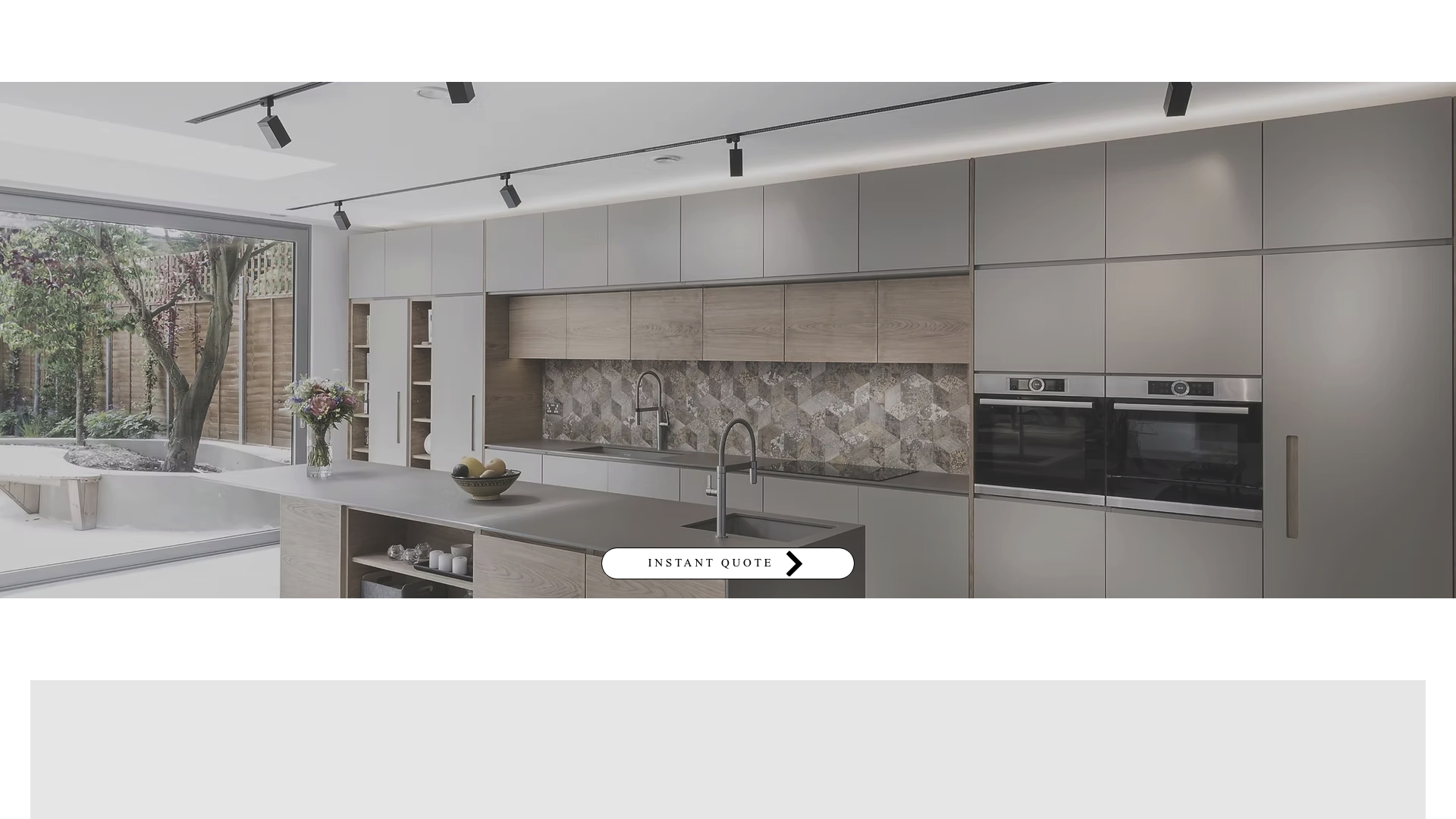
Our expert refurbishment services cover every aspect of home transformation. Whether you’re planning a full structural refurbishment, adding a rear extension, converting your loft, or updating kitchens and bathrooms, our team coordinates all trades seamlessly. We handle the complexities of London regulations, party wall procedures, and conservation area requirements, allowing you to focus on the exciting design decisions rather than administrative hurdles.
Choosing experienced local professionals offers distinct advantages. We understand the specific challenges of London properties: solid wall construction, limited access, neighbour considerations, and the premium on minimising disruption. Our London property refurbishment services and London home extension services reflect this specialised knowledge, delivering projects on schedule and within budget. Contact us for a personalised consultation to discuss how we can bring your refurbishment vision to life.
FAQ
What are the necessary permits and approvals for a London home refurbishment?
Most structural work requires building regulations approval regardless of planning permission status. Planning permission becomes necessary for extensions, significant alterations in conservation areas, or any work on listed buildings. Party wall agreements must be served to adjoining owners 2 months before starting work affecting shared walls or boundaries. Check with your local council for Article 4 directions that remove certain permitted development rights in your area.
How can I manage disruption if I live in the property during works?
Create a contained work zone using temporary barriers and seal doorways with plastic sheeting to minimise dust spread. Establish a functional temporary kitchen in another room with essentials like a kettle, microwave, and washing-up area. Schedule the noisiest and most disruptive work for specific weeks when you might stay elsewhere. Communicate clearly with contractors about daily working hours and areas that must remain accessible.
What contingencies should I include in my refurbishment budget?
Include 15-20% contingency for unexpected discoveries, with higher percentages for older properties or those without recent surveys. This covers hidden issues like concealed rot, outdated wiring requiring full replacement, or structural problems only visible once walls open. Set aside additional funds for potential scope changes as you see the space transform and identify improvements you hadn’t initially considered.
When is rebuilding a better option than renovating?
Rebuilding makes more sense when structural surveys reveal extensive foundation failure, pervasive rot affecting multiple structural timbers, or subsidence requiring comprehensive underpinning. If renovation costs approach 70-80% of rebuild costs while still leaving compromised elements, demolition and reconstruction delivers better long-term value. Properties with asbestos throughout or obsolete construction methods sometimes prove more economical to replace entirely.
How early should I engage with architects or surveyors?
Engage architects during initial planning, ideally 6-9 months before intended construction start dates. This allows proper design development, planning applications if needed, and detailed specifications for accurate contractor quotes. Commission structural surveys immediately after deciding to proceed, as findings may significantly influence design decisions. Early professional input prevents expensive redesigns mid-project and ensures regulatory compliance from the outset.
Recommended
Comments